

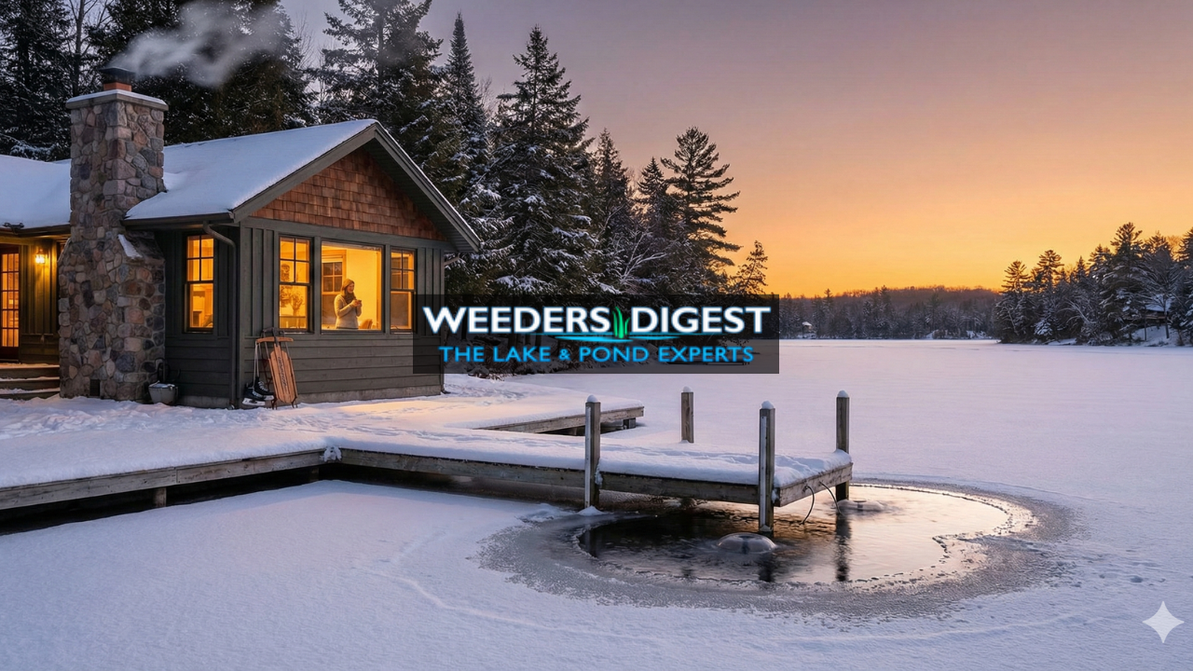
Lakefront Living Winter: Enjoy Your Property Year-Round
Lake Life in Winter: How to Protect and Enjoy Your Waterfront Year-Round
There is a quiet magic to waking up to a crisp winter morning, seeing the lake outside your window transformed into a shimmering expanse of ice and snow. The air is still, the water is calm, and the landscape is serene. While many people think lakefront living is strictly a summer affair, we know that the colder months offer a completely different, yet equally rewarding experience.
For those of us who call the lake home year-round, winter often brings a temptation to simply hibernate. It is easy to stay inside, keep the heat up, and ignore the waterfront until the spring thaw. However, with a little preparation and the right mindset, you can actively enjoy your property every season. From protecting your shoreline to creating a cozy sanctuary indoors, here is how you can maximize your enjoyment of your lakefront property even when the temperature drops.
Preparing Your Shoreline and Dock for the Freeze
As anyone who has lived on the water for a few seasons knows, preparing your property for winter is the key to a stress-free spring. Neglecting these tasks can lead to expensive damage, specifically when it comes to the immense power of shifting ice.
If you have a permanent pier or dock, your primary focus should be protecting it from "ice jacking" and crushing pressure. While removable sections should be stored safely, permanent pilings need a proactive defense. We highly recommend using de-icers or bubblers. These devices keep the water around your pilings moving, preventing ice from forming and crushing your structure. It is a small investment that saves thousands in structural repairs.
Additionally, take a look at your shoreline. Winter storms and snow melt can be tough on the soil. Maintaining native vegetation is one of the best ways to prevent erosion, as the root systems hold the earth in place even when the ground freezes. If you notice significant muck buildup or debris before the freeze, it is worth looking into lake bottom cleaning tools to ensure your shoreline is healthy and ready for the spring melt.
Winter Recreation: Fishing and Skating
Once the prep work is done, it is time to play. Winter on a natural lake offers recreational opportunities you simply cannot get in July. Ice fishing is a favorite pastime for many of our customers. It requires patience and the right gear, including an auger and a warm shelter, but the reward of pulling a fish through the ice is unmatched.
For families, creating a skating rink on the lake is a classic winter tradition. Find a shallow, flat area free of debris and clear away the snow. Flooding the area with water periodically will help build a smooth, safe surface for skating or hockey. Just remember that maintaining a rink requires a bit of effort, specifically in clearing snow after storms to keep the ice surface smooth.
While you are out there, keep an eye out for wildlife. The barren trees and white backdrop make it much easier to spot deer, foxes, and eagles. It is a fantastic time for photography or simply observing the natural ecosystem of your lake in its dormant state.
Safety First on the Ice
We want you to have fun, but safety is always the priority when water turns to ice. Never assume the ice is safe just because it looks solid. Conditions can change rapidly based on currents, springs, and temperature fluctuations.
Keep these safety guidelines in mind before venturing out:
- Check the Thickness: According to the Minnesota Department of Natural Resources, a minimum of four inches of clear, solid ice is generally required for walking or fishing. Heavier equipment like snowmobiles requires significantly more.
- Watch for Warning Signs: Stay far away from cracks, slushy spots, or areas with protruding logs or debris, as the ice is often weaker there.
- Carry Safety Gear: Long ice picks (to pull yourself out if you fall in), a rope, and a flotation device are essential.
- Never Go Alone: Always use the buddy system and let someone on shore know your plans.
Creating a Cozy Lakefront Atmosphere Indoors
Sometimes the best way to enjoy the lake in winter is from the warm side of the window. Creating a cozy indoor atmosphere helps you appreciate the view without battling the elements. Ensure your heating system is maintained and that you have insulated any exposed pipes, especially in crawl spaces, to prevent freezing during those deep chill nights.
Winter is also the perfect time to plan for next summer. While you are sipping hot cocoa by the fire, you can start thinking about your aquatic weed control strategy or dock upgrades for the coming season. It is often the best time to research and purchase equipment so you are ready the moment the ice melts.
We Are Here to Help Year-Round
Enjoying lakefront living year-round requires a mix of smart preparation and safety awareness. By protecting your dock with the right de-icing equipment and staying safe on the ice, you can love your lake in January just as much as you do in June.
If you have questions about which de-icer is right for your dock, or how to manage your shoreline during the off-season, give us a call. The Weeders Digest help desk is available 7 days a week to ensure you have the support you need, whenever you need it. We are happy to chat about your specific setup and help you make the best decisions for your property.
Frequently Asked Questions
Q: Can I leave my dock in the water during winter? A: If you have a permanent dock that cannot be removed, you must protect it. Ice shifting can crush pilings or lift them out of the lake bed (ice jacking). Using a de-icer or bubbler to keep the water around the pilings ice-free is the standard way to prevent this damage.
Q: How do I know if the ice is safe to walk on? A: You should never guess. Use an ice chisel or auger to check the ice thickness every few steps. Clear, solid ice should be at least 4 inches thick for walking. Avoid white, milky ice, as it is only about half as strong as clear ice.
Q: Is winter a good time to plan for weed control? A: Absolutely. Winter is the ideal time to research and purchase tools for the upcoming season. Planning now allows you to hit the ground running in spring before invasive weeds become established.
Recent Posts
-
Aeration Systems: Your Secret Weapon Against Pond Weeds
Pond weeds can quickly transform a tranquil water feature into an unsightly, overgrown mess. While v …25th Mar 2026 -

Beautiful Lakeside Ecosystem: How to Attract Wildlife to Your Lakefront
There is a certain kind of magic in a lakefront that’s truly alive. It’s in the way a morning coffee …18th Mar 2026 -

Lake Weed Harvester: Match the Machine to Your Lake
Lake Weed Harvester: Match the Machine to Your Lake Maintaining a healthy and aesthetically pleasing …11th Mar 2026