

How I Solved the Mystery of My Cold-Water Lake’s Algae Blooms
Summary:
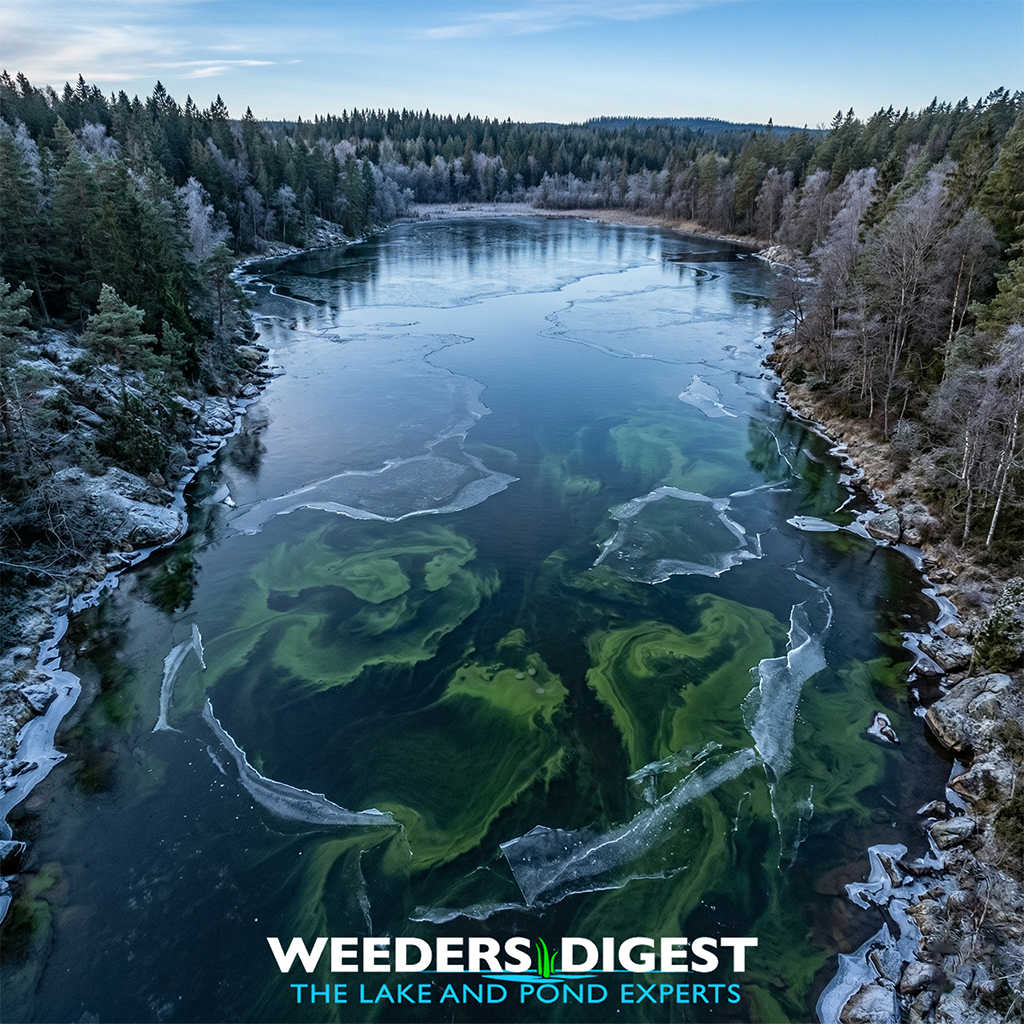
When I look out at a lake in the late autumn or early spring, I often expect the water to be as clear as ice. Most people assume that algae only thrive during the sweltering heat of mid-summer, but I have found that cold-water blooms are surprisingly common. It can be quite frustrating to see a vibrant green film or dark clumps forming when the air temperature is barely above freezing, making many homeowners wonder if their lake is "unhealthy" despite the chill.
The reality is that some types of algae and cyanobacteria are specialized "winter warriors." These organisms have evolved unique survival strategies that allow them to grow under conditions that would kill off more common summer species. In many cases, the clear water of autumn actually allows more sunlight to reach the bottom, providing a perfect environment for cold-loving species to take over.
Furthermore, the physical movement of the water during the colder months plays a huge role. As the surface water cools and sinks, it stirs up nutrients from the deep, dark sections of the lake. This "mixing" event acts like a shot of liquid fertilizer, fueling growth even when you are wearing a winter coat. Understanding that algae are not strictly a summer problem is the first step in managing a water body year-round.
I have seen many lakefront owners surprised by these winter blooms, but from an ecological perspective, it is a natural, albeit messy, part of the lake’s seasonal cycle. By recognizing the specific triggers of cold-water growth—such as nutrient loading and light penetration—we can better predict and manage the clarity of our favorite local waters.
The Science Behind It:
The phenomenon of algal proliferation in temperate limnetic ecosystems during cold-water periods is primarily driven by seasonal turnover and the physiological adaptations of psychrophilic (cold-loving) taxa. As surface temperatures drop toward the point of maximum density (4°C), the thermal stratification that characterizes summer months collapses. This process, known as fall turnover, facilitates the vertical entrainment of phosphorus and nitrogen-rich waters from the hypolimnion into the euphotic zone. According to research published by the University of Minnesota Extension, this influx of internal nutrient loading provides the necessary substrate for late-season blooms, even as metabolic rates for many organisms begin to decline.
While many Chlorophyta (green algae) struggle in low-degree environments, specific groups such as Bacillariophyceae (diatoms) and certain Cyanobacteria, like Planktothrix rubescens, thrive. These organisms utilize specialized pigments and cellular mechanisms to maintain photosynthetic efficiency at low irradiances and temperatures. Diatoms, in particular, favor the high-energy, turbulent mixing conditions of cold water because their heavy silica frustules require constant water movement to remain suspended in the water column where light is available.
Research from the North American Lake Management Society (NALMS) indicates that "clear-water phases" in late autumn can paradoxically increase the risk of benthic (bottom-dwelling) filamentous algae growth. As deciduous trees lose their leaves and summer plankton die off, light penetration (Secchi depth) increases significantly. This allows solar radiation to reach the lakebed, warming the benthos and stimulating the growth of species like Spirogyra or Pithophora, which can form dense mats that eventually float to the surface as they trap oxygen bubbles.
Furthermore, the presence of snow-free ice can create a "greenhouse effect" in the water column. If the ice remains clear, sufficient Photosynthetically Active Radiation (PAR) can penetrate the surface to support significant biomass accumulation. Studies in ecological journals have documented under-ice blooms of flagellated chrysophytes that can adjust their position in the water column to optimize light absorption. These winter dynamics demonstrate that nutrient availability and light, rather than temperature alone, are the primary limiting factors for primary production in aquatic environments.
Sources / References:
- https://extension.umn.edu/lakes-and-wetlands/algae-lakes
- https://www.nalms.org/lake-line-article/under-the-ice-the-dynamic-life-of-winter-limnology/