

Is My Lake’s Autumn Color Turning Into a Spring Nightmare?
 |
Summary:
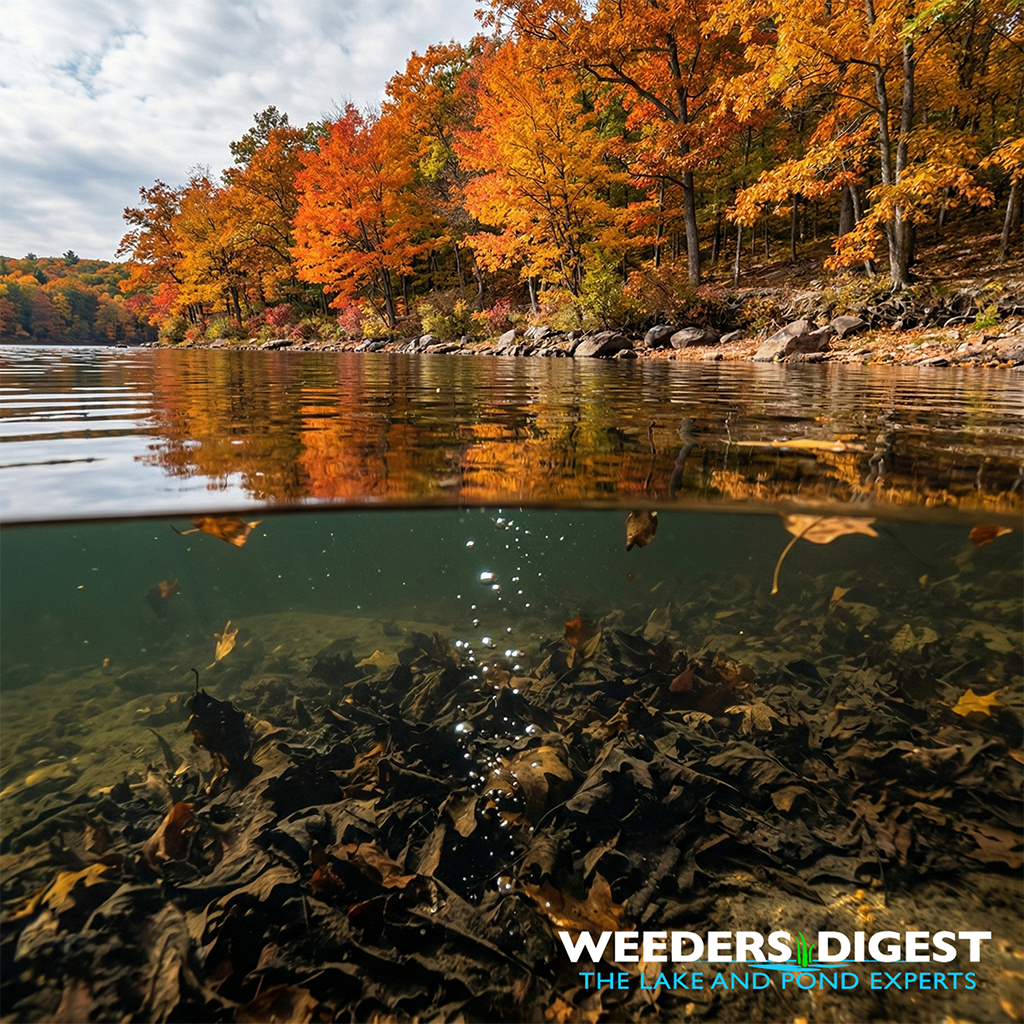
When I look out at a lake surrounded by vibrant fall foliage, it is easy to appreciate the beauty of the season. However, once those leaves hit the water and sink to the bottom, they transition from a scenic backdrop to a significant driver of the lake's internal chemistry. For most pond and lake owners, an excessive amount of leaf litter acts as a double-edged sword that eventually leans toward the "hurt" side of the spectrum if not managed properly.
In a balanced ecosystem, a small amount of organic input provides necessary cover and basic nutrients for aquatic insects. But when a thick layer of "muck" accumulates, it begins to suffocate the lake floor. This organic carpet consumes oxygen as it decays, which can lead to unpleasant odors and a loss of habitat for fish. Over time, these leaves break down into a nutrient-rich sludge that fuels the very algae blooms and weed growth that many people spend thousands of dollars trying to eliminate.
I often tell homeowners that leaves are essentially "slow-release fertilizer bombs." While one leaf doesn't do much, the cumulative effect of decades of leaf fall can transform a clear, deep lake into a shallow, weed-choked wetland. Understanding this cycle is the first step in deciding whether your shoreline needs a proactive cleanup or if the ecosystem can handle the load on its own.
The Science Behind It:
The input of terrestrial organic matter, such as leaf litter, is defined in limnology as allochthonous carbon. This material serves as a primary energy source for detritivorous macroinvertebrates, but its decomposition process is heavily dependent on the dissolved oxygen levels within the benthic zone. According to research published by the University of Minnesota Extension, the breakdown of organic matter by aerobic bacteria requires significant amounts of oxygen. When leaf accumulation exceeds the rate of decomposition, a state of hypoxia or anoxia occurs at the sediment-water interface.
As these organic deposits undergo anaerobic decomposition, they release chemical byproducts such as methane and hydrogen sulfide. Furthermore, the shift to an anaerobic environment triggers the release of phosphorus that was previously bound to iron in the sediment. A study in Freshwater Biology indicates that this internal phosphorus loading can significantly contribute to eutrophication, providing the necessary limiting nutrients for cyanobacteria (blue-green algae) blooms during the warmer summer months.
The physical accumulation of leaf litter also contributes to "sedimentation," effectively shallowing the water body over time. This process, known as senescence in pond succession, increases the photic zone's reach to the bottom, allowing rooted aquatic macrophytes to colonize areas that were previously too deep for sunlight penetration. The lignin and cellulose structures within deciduous leaves are particularly resilient, often taking years to fully degrade without supplemental aeration or microbial intervention.
Furthermore, the leaching of tannins from submerged leaves can alter the water's color and acidity. While some species are adapted to "blackwater" conditions, high concentrations of dissolved organic carbon (DOC) can inhibit the growth of beneficial phytoplankton by reducing light transparency. Consequently, the management of allochthonous inputs is considered a critical component of Integrated Pest Management (IPM) for maintaining the long-term trophic state and biodiversity of temperate freshwater systems.
Sources / References:
- https://extension.umn.edu/water-resources/lakes-and-ponds
- https://www.canr.msu.edu/news/leaf_fall_and_the_lake