

Is My Weekend Stroll Ruining My Lakefront? The Truth About Foot Traffic on Your Lake Bottom
Summary:
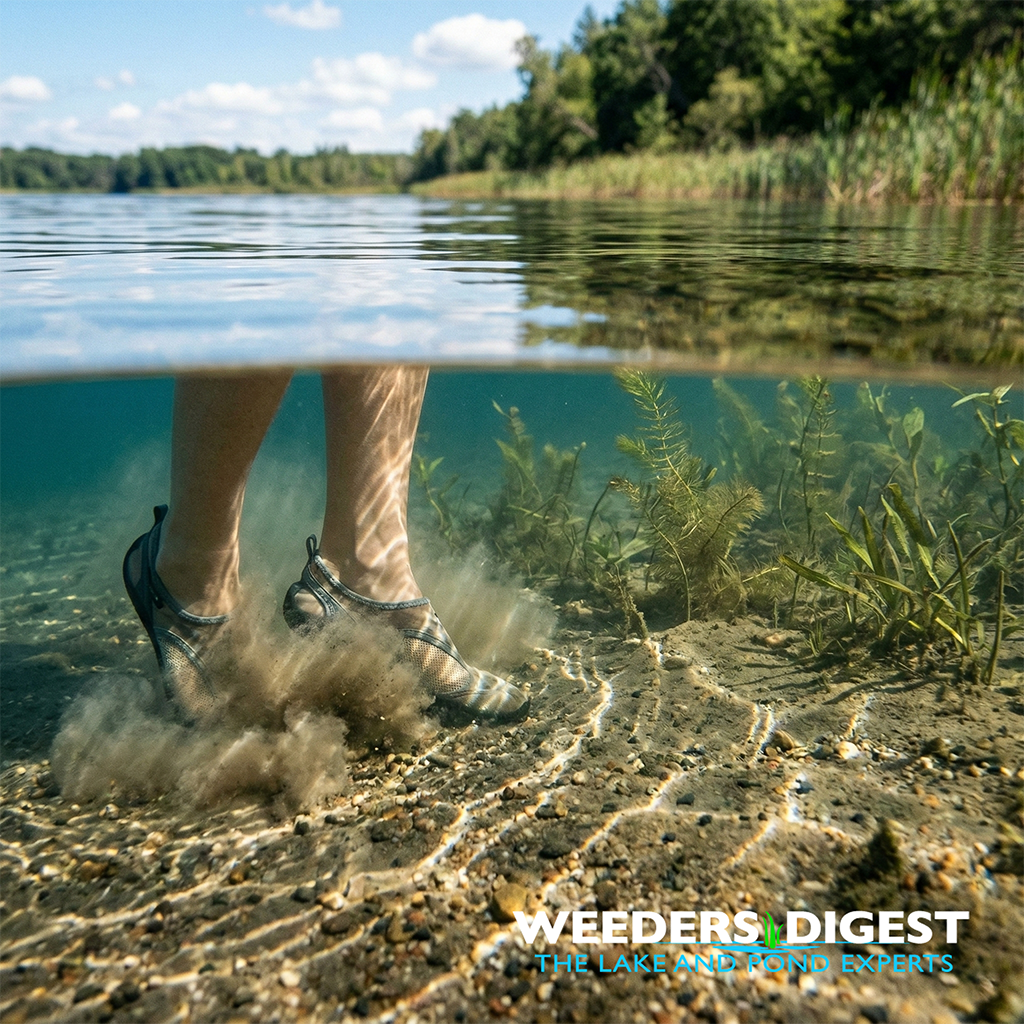
Whenever you wade into the water from your shoreline, you are doing more than just getting your feet wet. You might notice the water getting cloudy or feel the soft silt shifting between your toes. While a few steps may seem harmless, consistent foot traffic on a lake bottom can actually change the local environment of your waterfront. It’s a common concern for homeowners who want to maintain a beautiful, clear swimming area while also protecting the natural health of the lake they love.
The impact of walking on the lake bed is essentially a localized form of physical disturbance. When we walk in shallow areas, we are inadvertently compacting the sediment or stirring up nutrients that have settled over years. This can lead to issues with water clarity and can even influence where certain aquatic plants decide to grow. Understanding how these small actions add up helps you better manage your shoreline for both recreation and conservation.
In simple terms, think of the lake bottom like a delicate garden bed. Just as walking through a flower bed packs down the soil and hurts the roots, frequent trampling in the "littoral zone"—the shallow area near the shore—alters the habitat for the tiny organisms and plants that keep the ecosystem balanced. While you shouldn't be afraid to enjoy your water, being mindful of where and how often you trek across the bottom can make a significant difference in the long-term health of your shoreline.
The Science Behind It:
The physical impact of human wading and foot traffic falls under the ecological study of anthropogenic disturbance in littoral zones. Research indicates that frequent trampling leads to the compaction of benthic substrates, which alters the interstitial space available for macroinvertebrates. According to studies on lake shorelines, this reduction in sediment porosity can limit the oxygen exchange required for diverse benthic communities to thrive, often leading to a decrease in species richness in high-traffic areas.
Furthermore, foot traffic causes the mechanical uprooting and fragmentation of submersed aquatic vegetation (SAV). As noted in ecological assessments of recreational impacts, the physical force of a human step can shear delicate macrophyte tissues and disturb the root systems anchored in soft sediments. This often results in a "barren zone" in shallow waters, which may inadvertently invite the colonization of opportunistic or invasive species that are more resilient to physical disturbance than native flora.
Sediment resuspension is another critical factor driven by wading. When the lake bottom is disturbed, fine particulate matter and sequestered nutrients—specifically phosphorus and nitrogen—are reintroduced into the water column. This internal loading of nutrients can trigger localized algal blooms and significantly decrease Secchi disk transparency. This phenomenon is particularly pronounced in lakes with fine, organic-rich sediments where the settling velocity of particles is low, keeping the water turbid for extended periods following the disturbance.
The long-term consequences of consistent foot traffic also involve the alteration of substrate composition. Repeated "mucking" or stirring of the bottom can strip away the organic top layer, leaving behind coarser, less hospitable mineral soils or, conversely, creating deep pockets of unconsolidated silt in adjacent calmer areas. These micro-topographical changes impact fish spawning success, as many species, such as centrarchids, require specific substrate stability and cleanliness to protect their nests and ensure egg viability.
Sources / References:
https://www.uwsp.edu/cols-ap/uwcl/Documents/lake_dist/RECREATIONAL_IMPACTS_ON_LAKES.pdf