

Lake & Pond Science
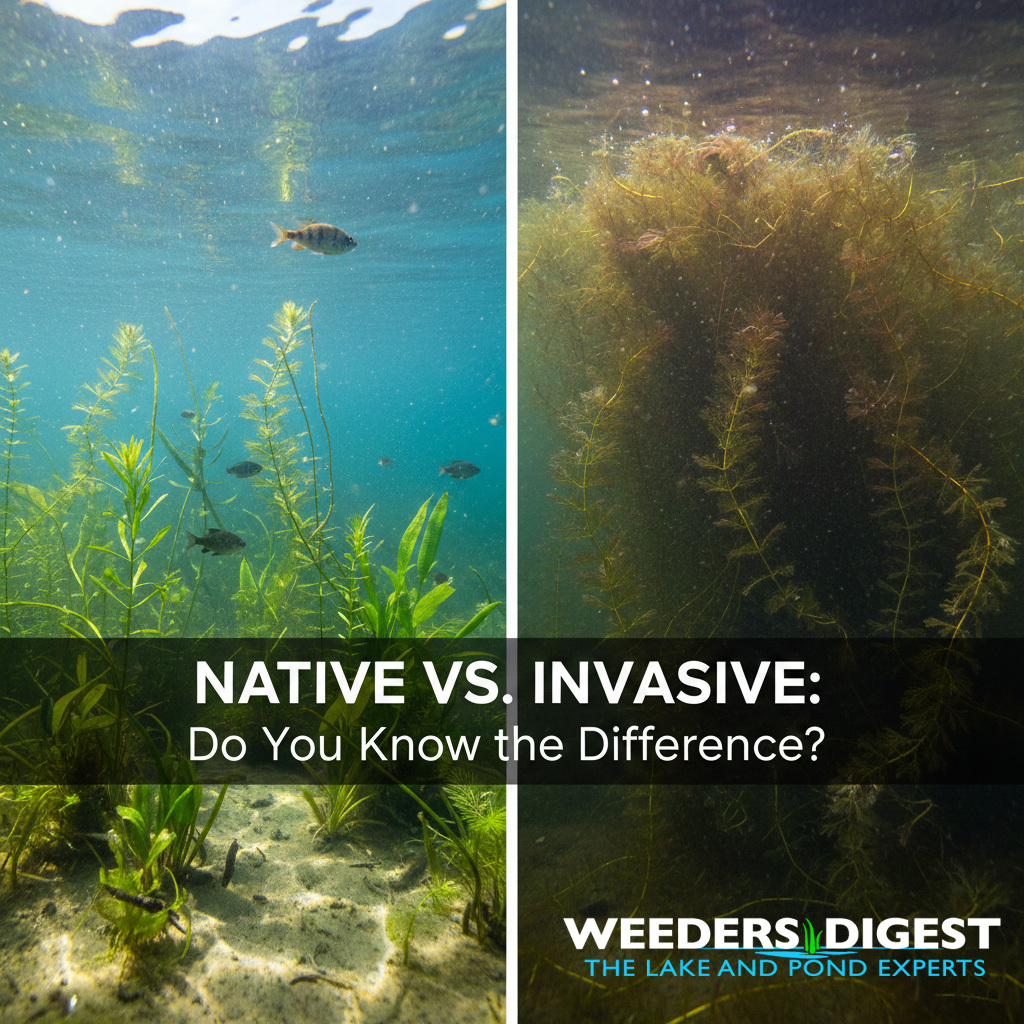
Natives vs. Invasive Aquatic Weeds | What’s the difference between Native Plants and Invasive Plants in my Lake?
When you look out over your shoreline, it is easy to assume that any green plant growing in the water is a "weed" that needs to be removed. However, there is a massive difference between the plants that belong in your lake and the ones that are trying to take it over...
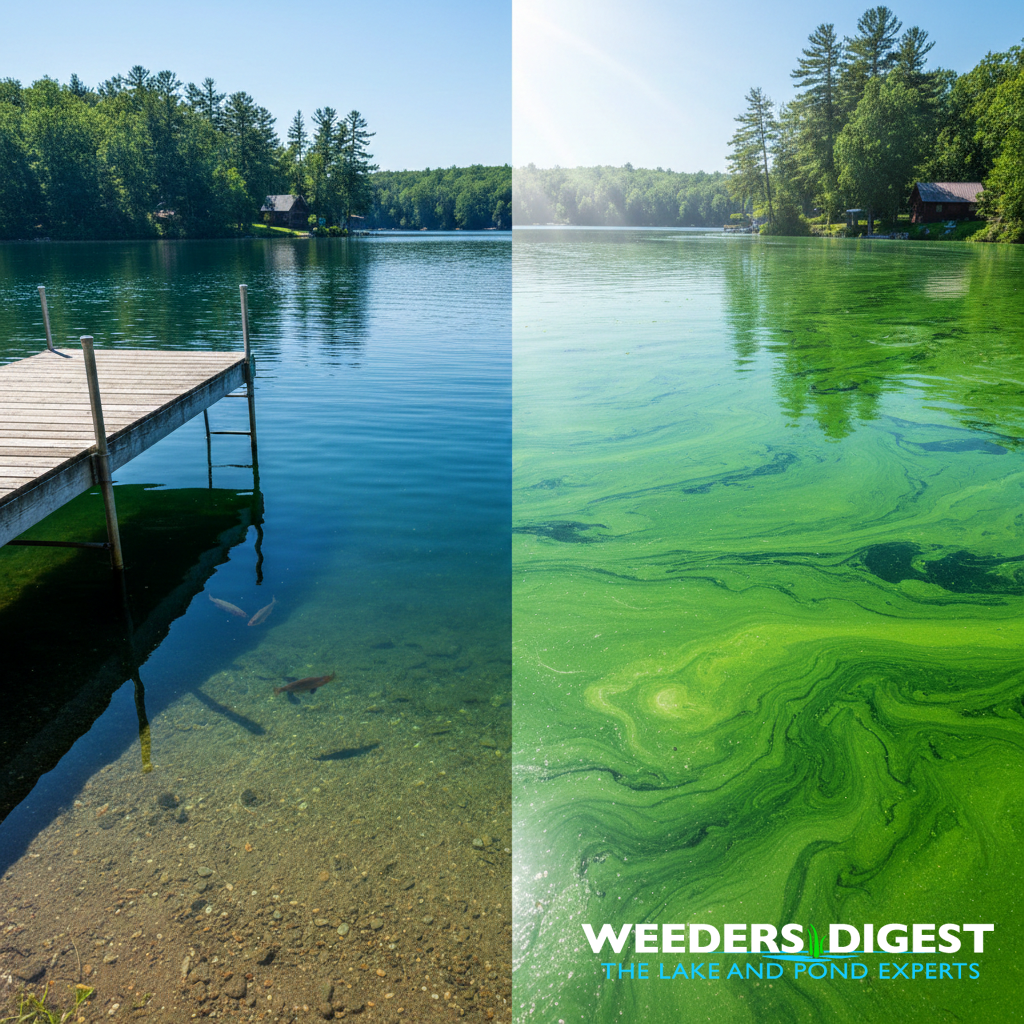
Why Does My Lake Turn Green Every Summer? (And Is It Always Algae?)
If you live on the water, you likely know the routine: the ice melts, the spring is clear, and then, like clockwork, your beautiful blue view turns into a thick, pea-soup green mess by July. It is a frustrating cycle that can ruin a weekend of swimming or fishing, and it often leaves...
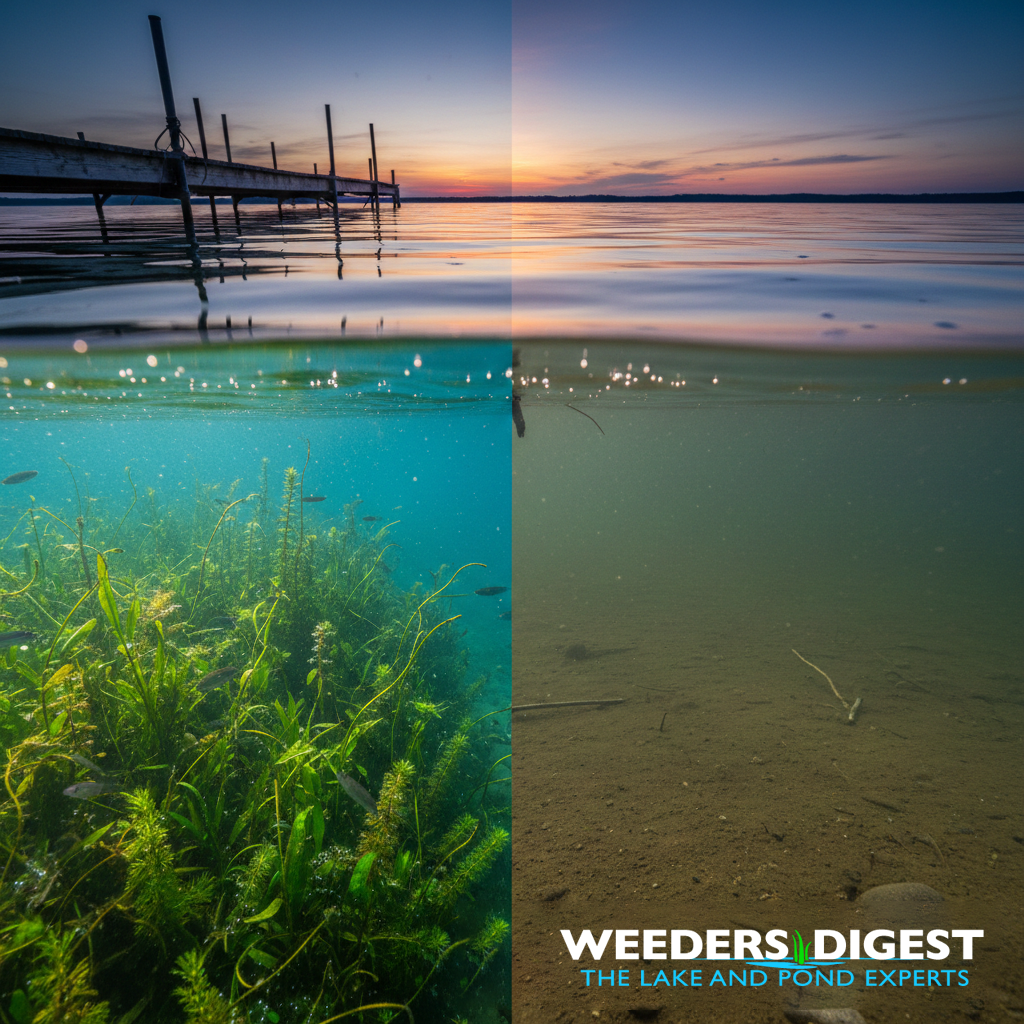
Why Your Lake Is a Jungle While Your Neighbor’s Is Crystal Clear
Have you ever wondered why your boat propeller gets tangled in thick "lake weeds" while the beach down the road stays perfectly clear? It’s a common frustration for many of us who live on the water, and the answer isn't just bad luck....
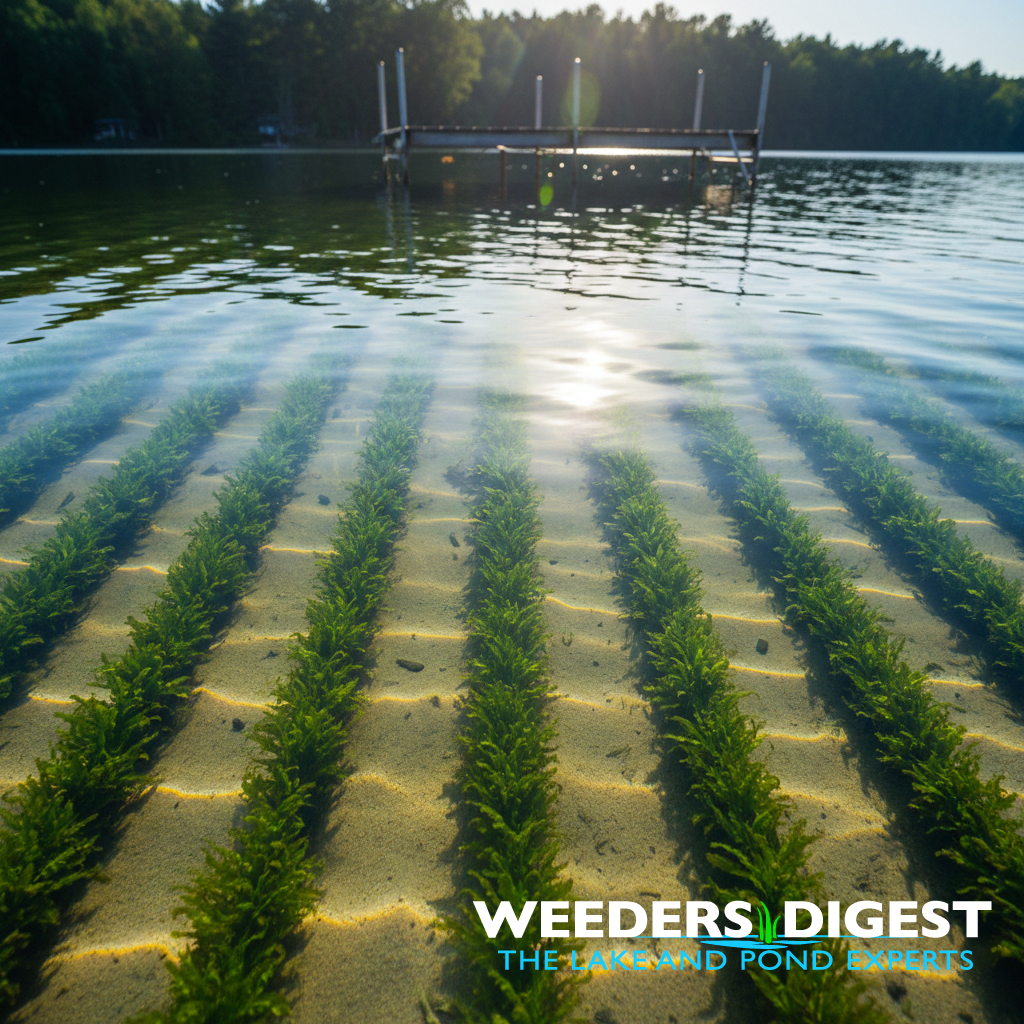
Why Are My Lake Weeds Growing in Rows? Decoding Underwater Patterns
Have you ever looked off the edge of your dock and noticed that the weeds in your lake seem to be growing in distinct lines or patches rather than a chaotic mess? It can be a bit eerie, almost like someone went down there with a submerged lawn seeder and planted them in rows...
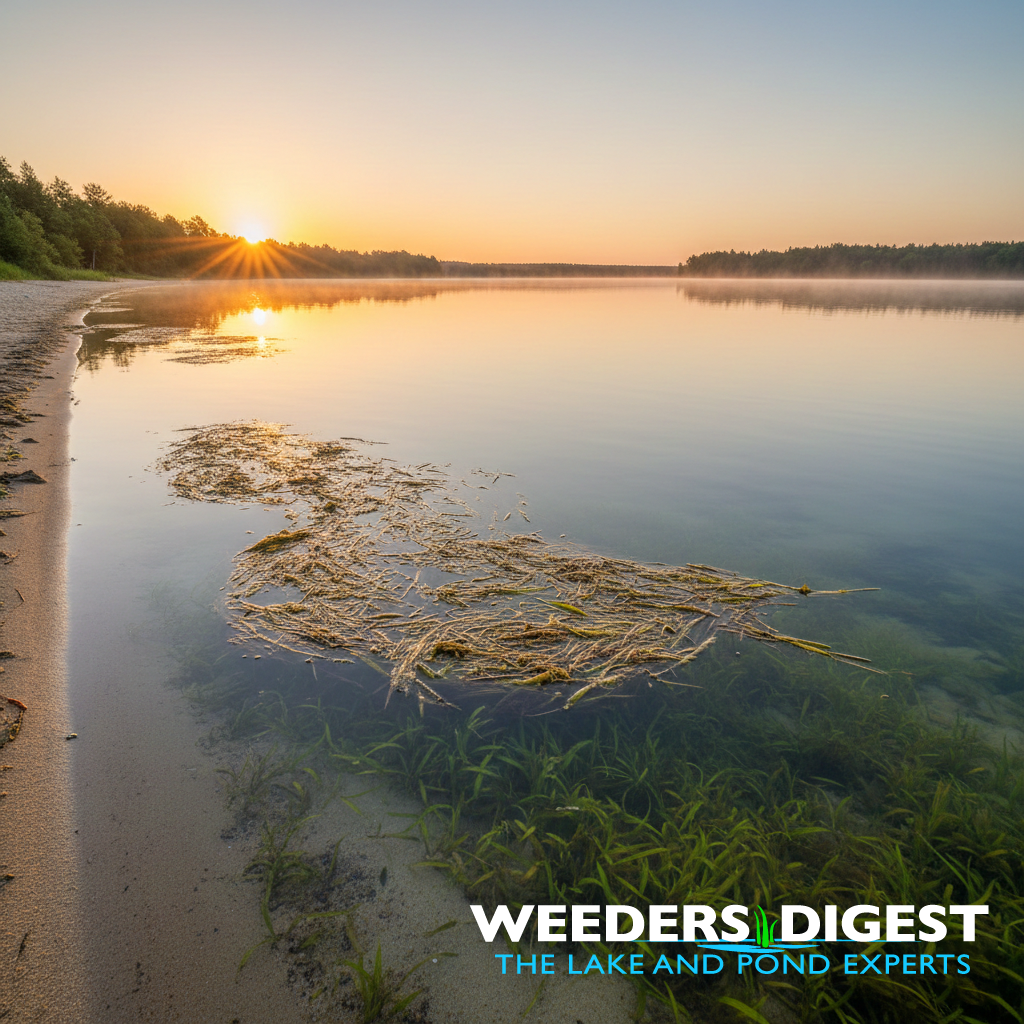
Why Is My Lakefront Covered in Floating Weeds? Understanding the Drift
It can be incredibly frustrating to wake up and find your pristine shoreline cluttered with mats of floating vegetation. You might wonder if a neighbor’s boat or a sudden storm is to blame, but the reality is often a bit more complex. While external factors like wind and waves play a role...
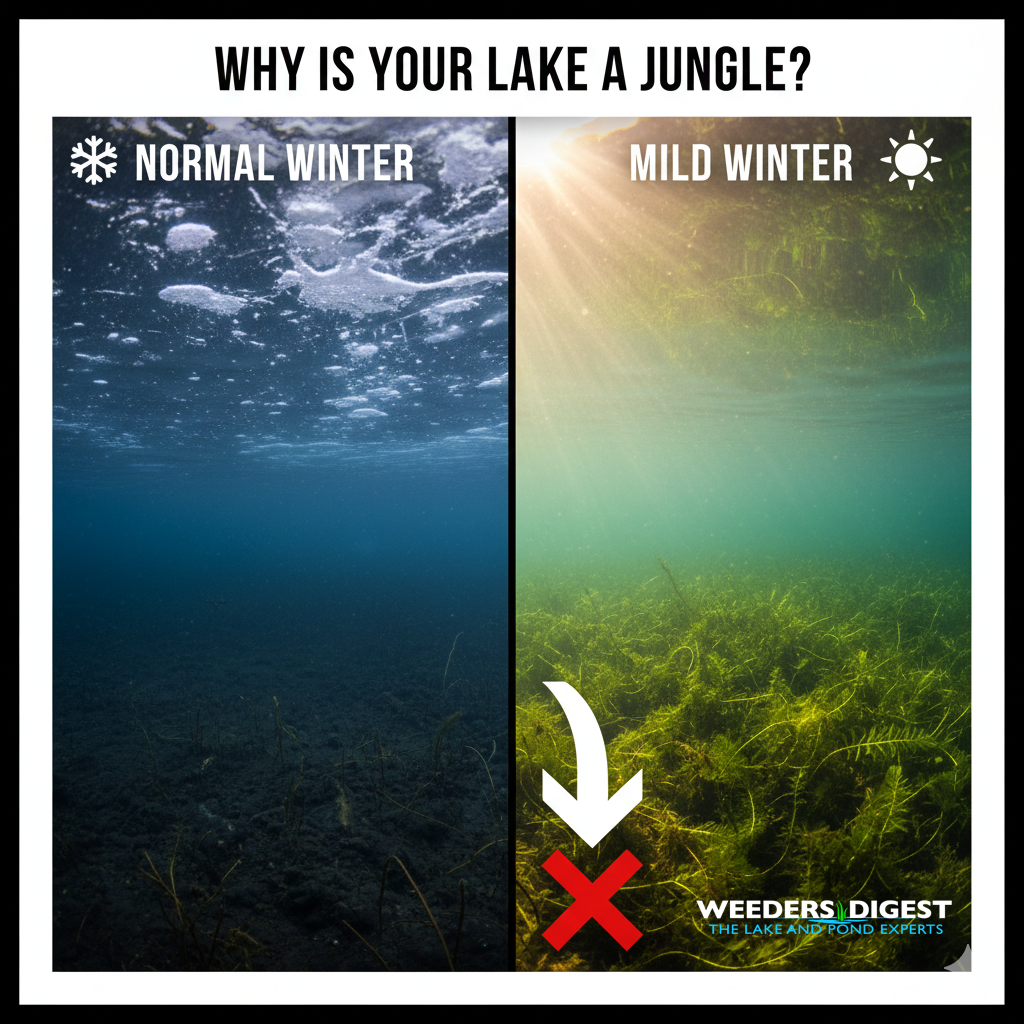
Why My Lake Looks Like a Jungle: The Truth About Mild Winters and Explosive Weed Growth
If you’ve noticed that your shoreline looks more like a dense forest than a swimming area after a particularly warm winter, you aren't imagining things. Usually, a long, freezing winter acts as a natural "reset button" for our lakes and ponds. Thick ice and heavy snow block out the sunlight...
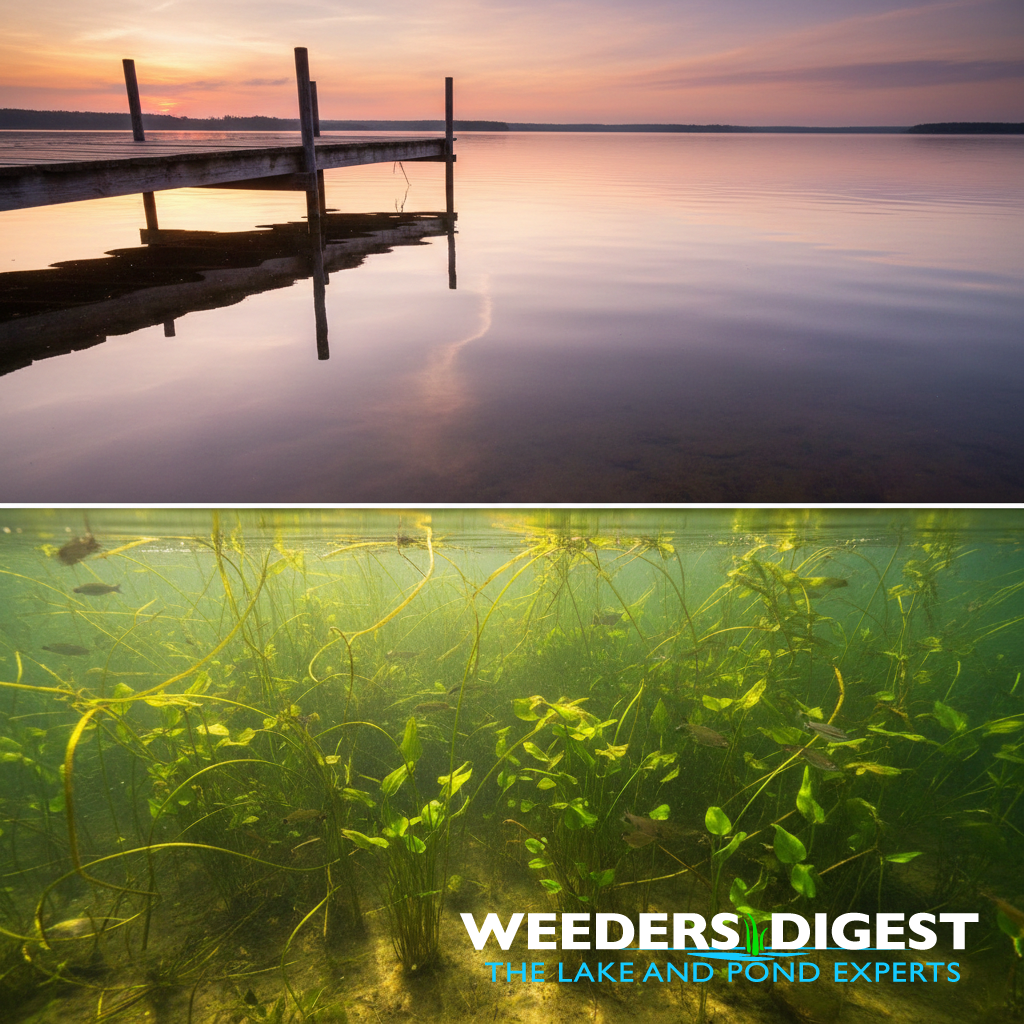
Why I’ve Stopped Calling Them "Weeds": How Aquatic Plants Save Your Lake’s Clarity
When you look out at your shoreline and see a tangle of green stems reaching for the surface, your first instinct might be to reach for a rake. I’ve spent years studying these ecosystems, and I can tell you that what looks like a nuisance is actually your lake’s most powerful...
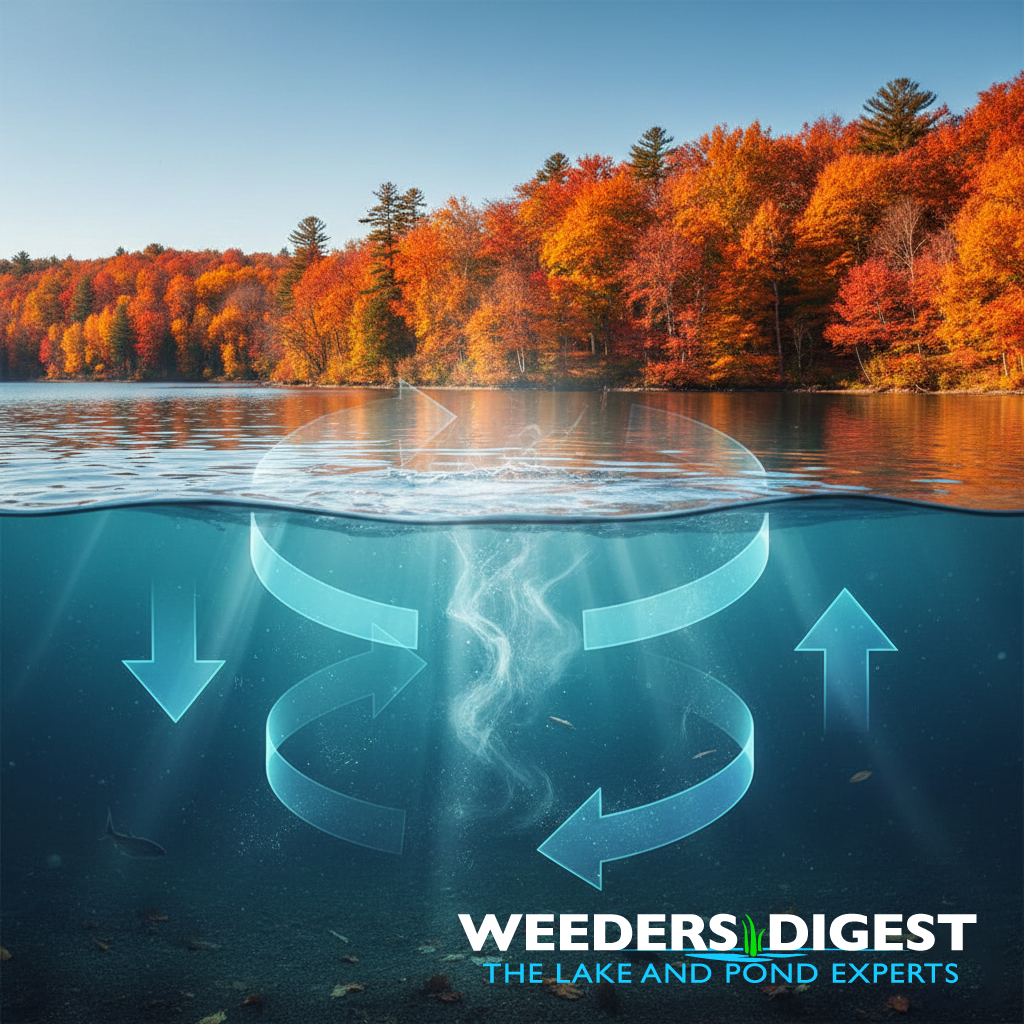
Understanding Your Lake’s Seasonal "Reset": Why Does My Water Turn Over?
Have you ever noticed your lake suddenly looking a bit murky or smelling a bit "earthy" during the crisp days of spring or the cooling nights of autumn? It might feel like your lake is having a bit of a mood swing, but what you are actually witnessing is a vital natural process called...
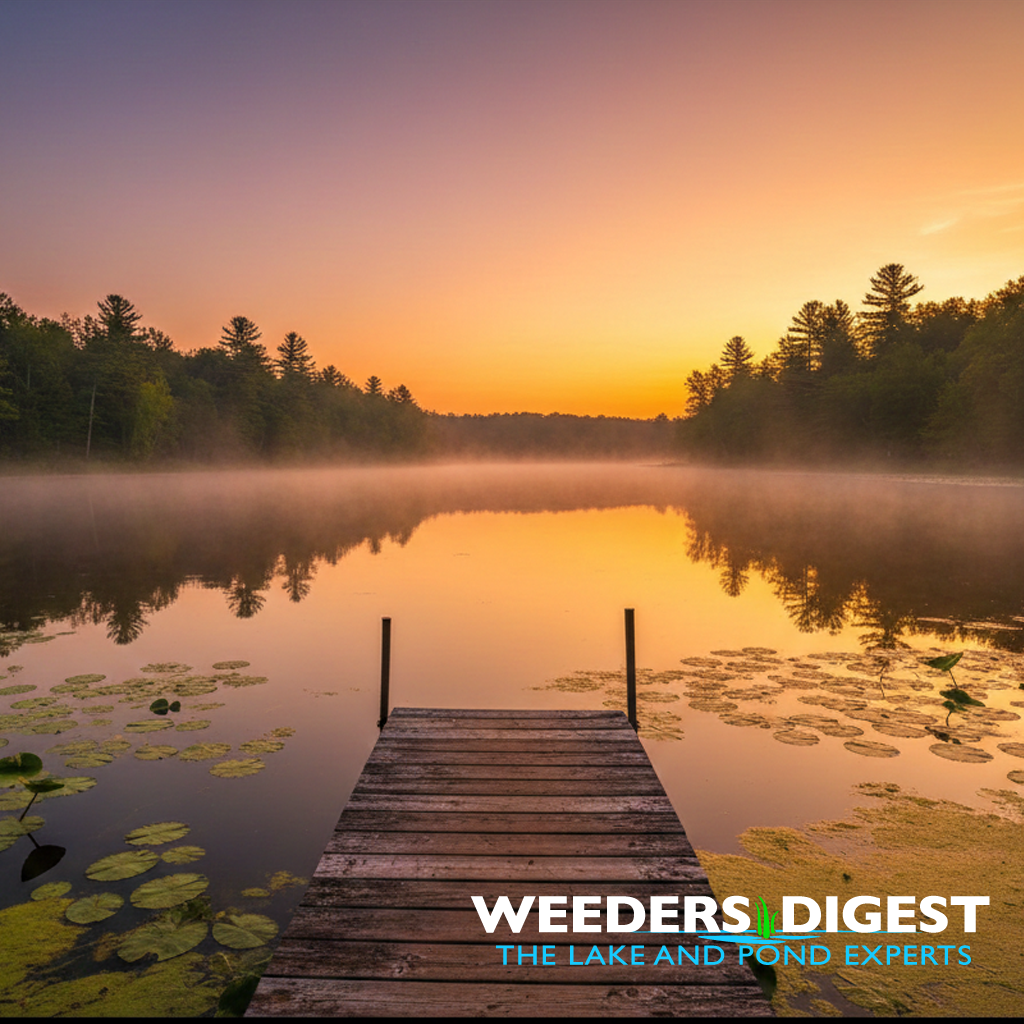
Why Is My Lake Smelling Like Sulfur and Old Grass? The Secrets of Late Summer Water
If you have noticed that your lake or pond seems to have a distinct "stink" as August rolls around, you are certainly not alone. During the height of summer, the water that was crisp and fresh in May often transforms into something much more pungent...
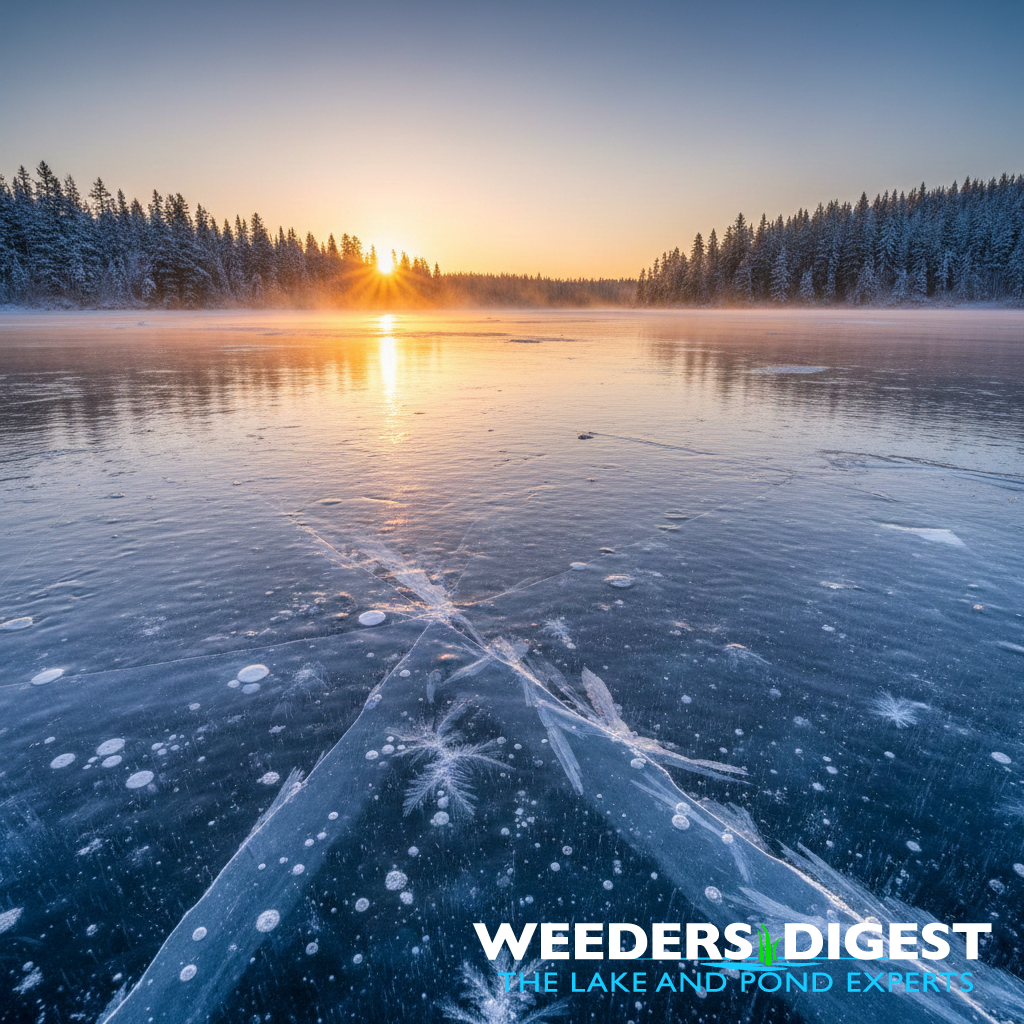
Why Your Frozen Lake Is More Than Just a Winter Wonderland: My Take on the Importance of Ice Cover
When you look out at your frozen lake in the middle of winter, it might seem like everything has simply hit the "pause" button. To the naked eye, a thick sheet of ice looks like a cold, desolate barrier. However, as an aquatic ecologist, I’ve spent years studying what happens beneath that surface...
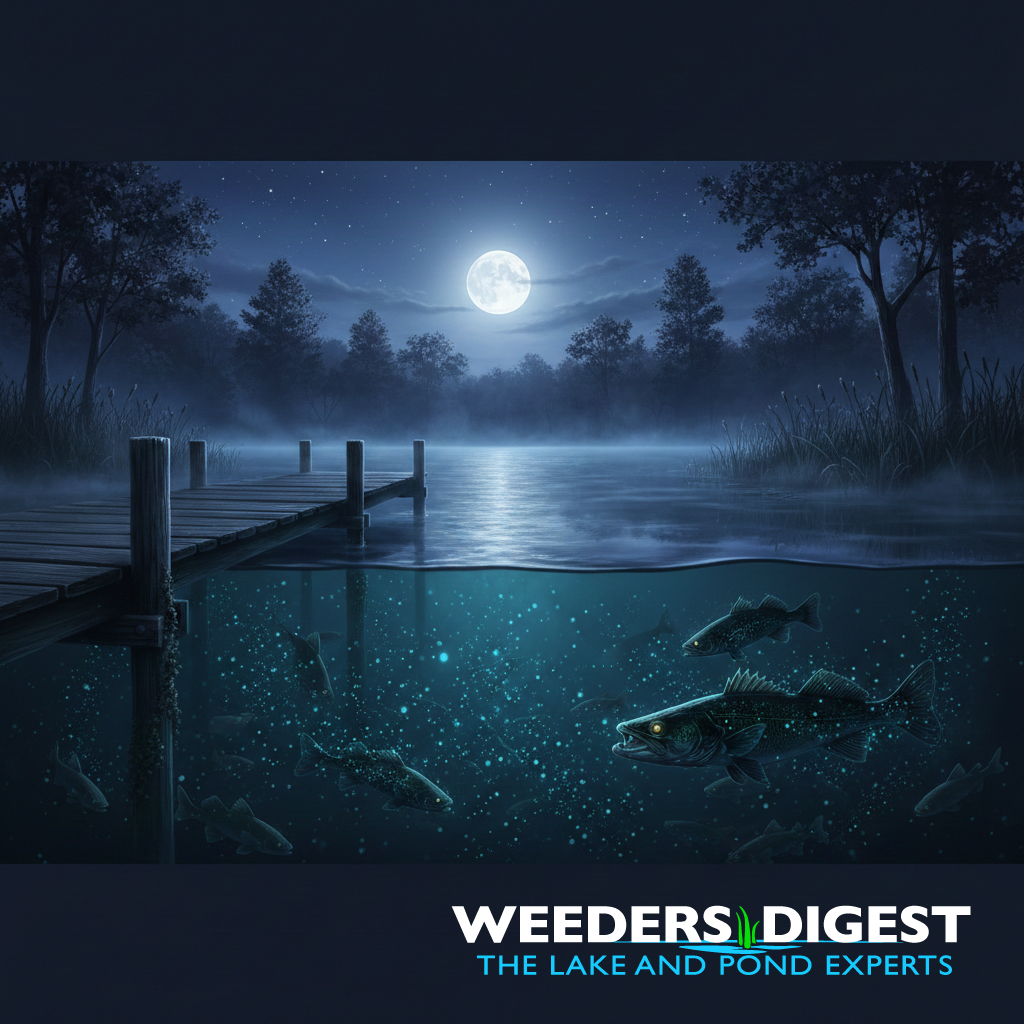
Why Your Lake Comes to Life After Dark: The Nocturnal Secrets of Your Waterfront
If you have ever sat on your dock after sunset, you have likely noticed a sudden shift in the atmosphere. The quiet ripples of the afternoon give way to a symphony of splashes, chirps, and movement. It is not just your imagination; your lake truly is more active at night....
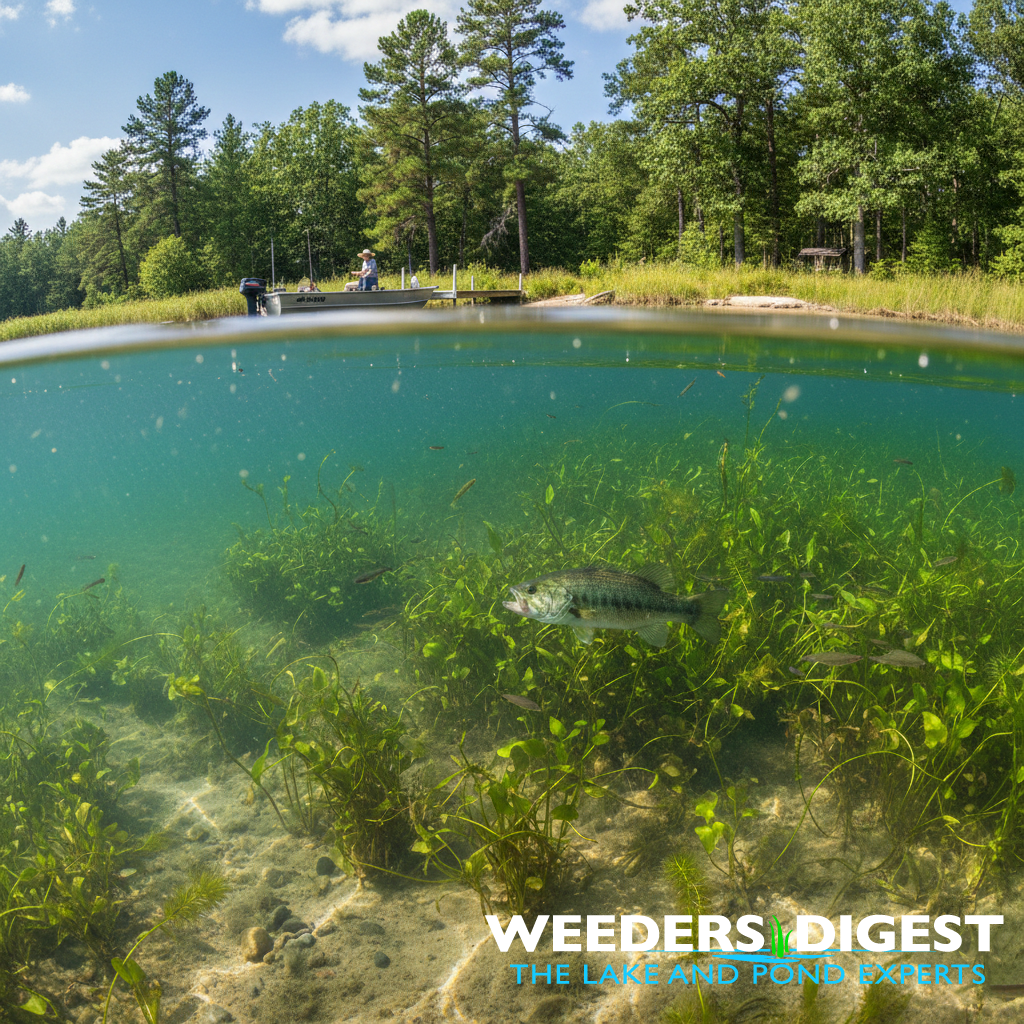
The "Spring Clear-Water Phase": Why Your Pristine Lake Turns Cloudy Every Summer
Many lake owners notice a "magic" window in late spring where the water is incredibly clear, only to see it turn murky by July. This isn't random; it’s a biological cycle called the "Clear-Water Phase." In spring, tiny organisms called daphnia (water fleas) go on a feeding frenzy...
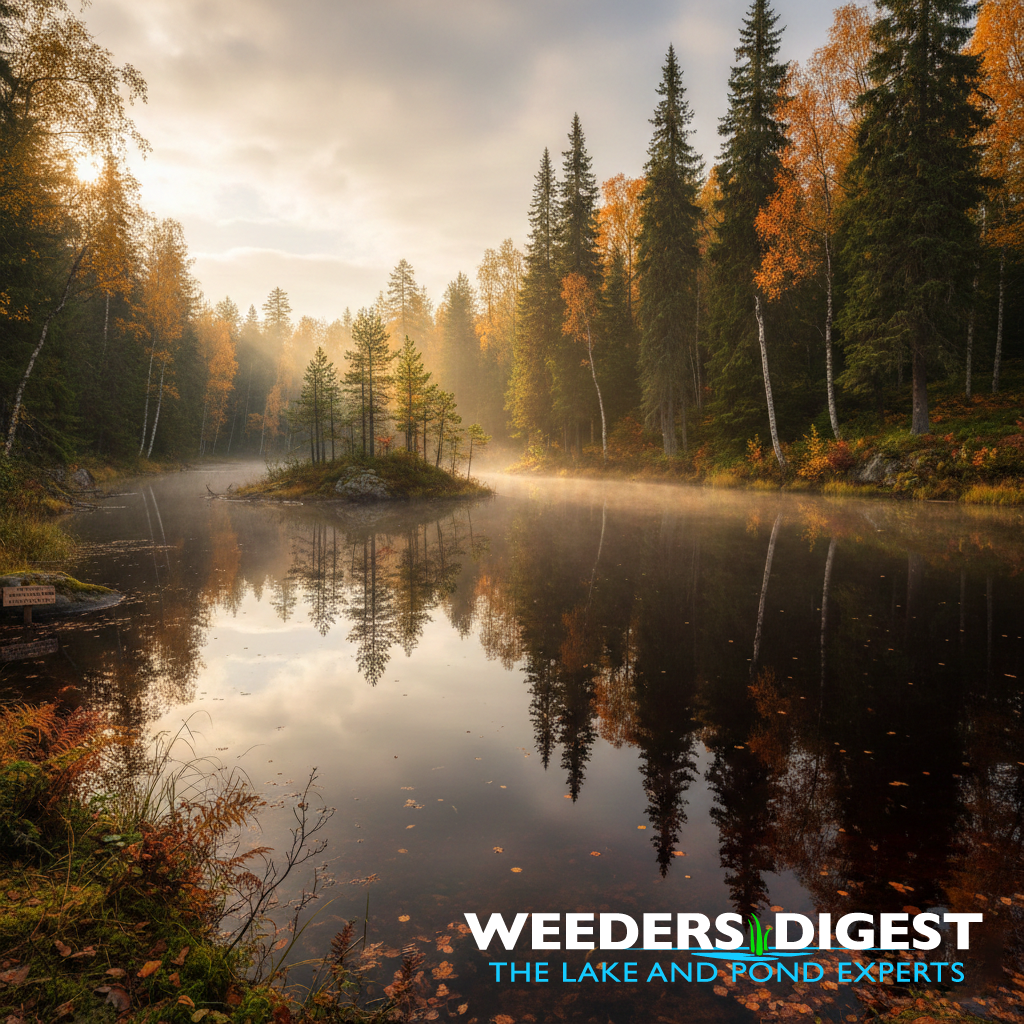
Tea-Stained Lakes: The Surprising Reason Northern Waters Turn Dark Brown
If your favorite northern lake looks like a giant vat of brewed tea, you aren't looking at pollution or dirt. This color comes from Tannins, which are natural organic compounds that leach out of fallen leaves, pine needles, and peat moss in the surrounding forest. Much like a tea bag steeping in a mug, the rain washes these organic acids...
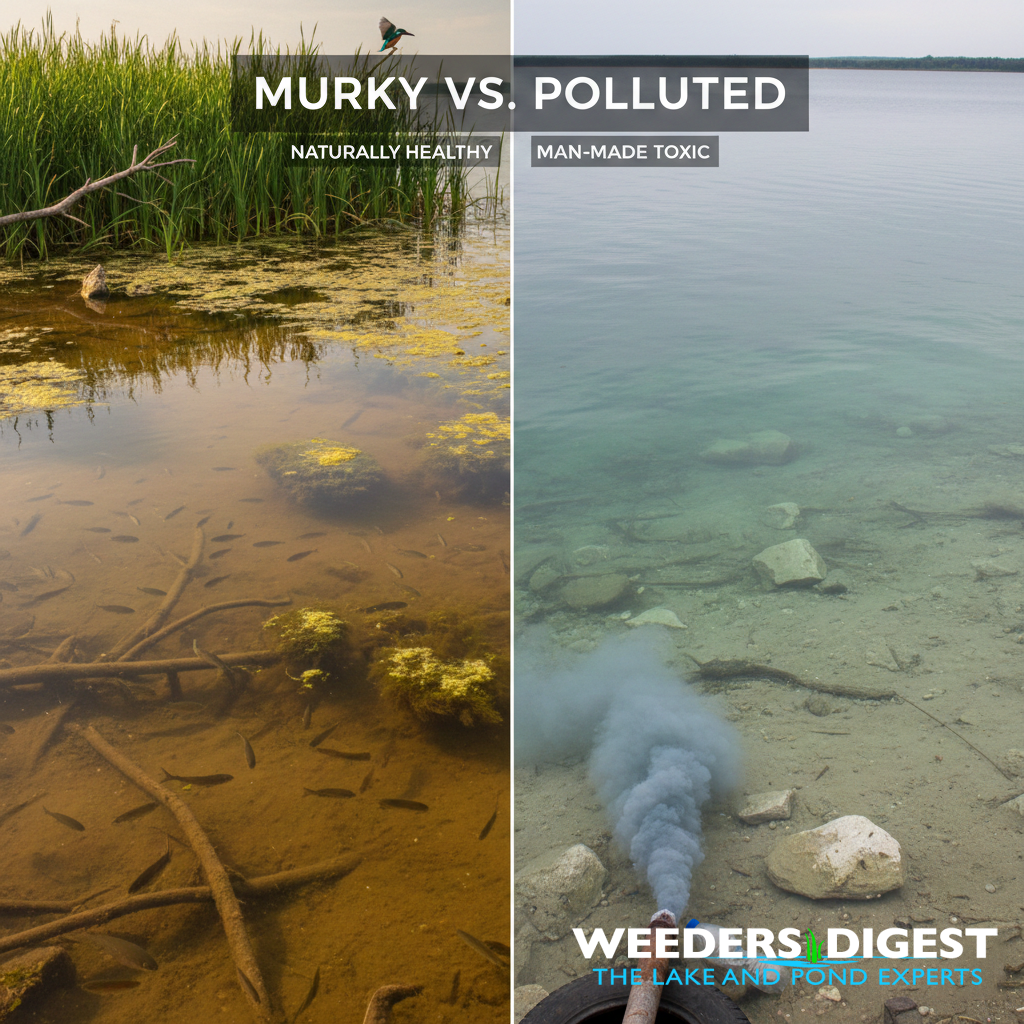
Murky vs. Polluted: Why a "Dirty" Looking Lake Might Actually Be Healthy
Many people assume that if they can't see their toes in three feet of water, the lake must be polluted. This is a myth. Murkiness, or Turbidity, is often caused by natural factors like suspended silt, tannins, or healthy populations of microscopic life. A perfectly crystal-clear lake can sometimes be "dead" (oligotrophic)...
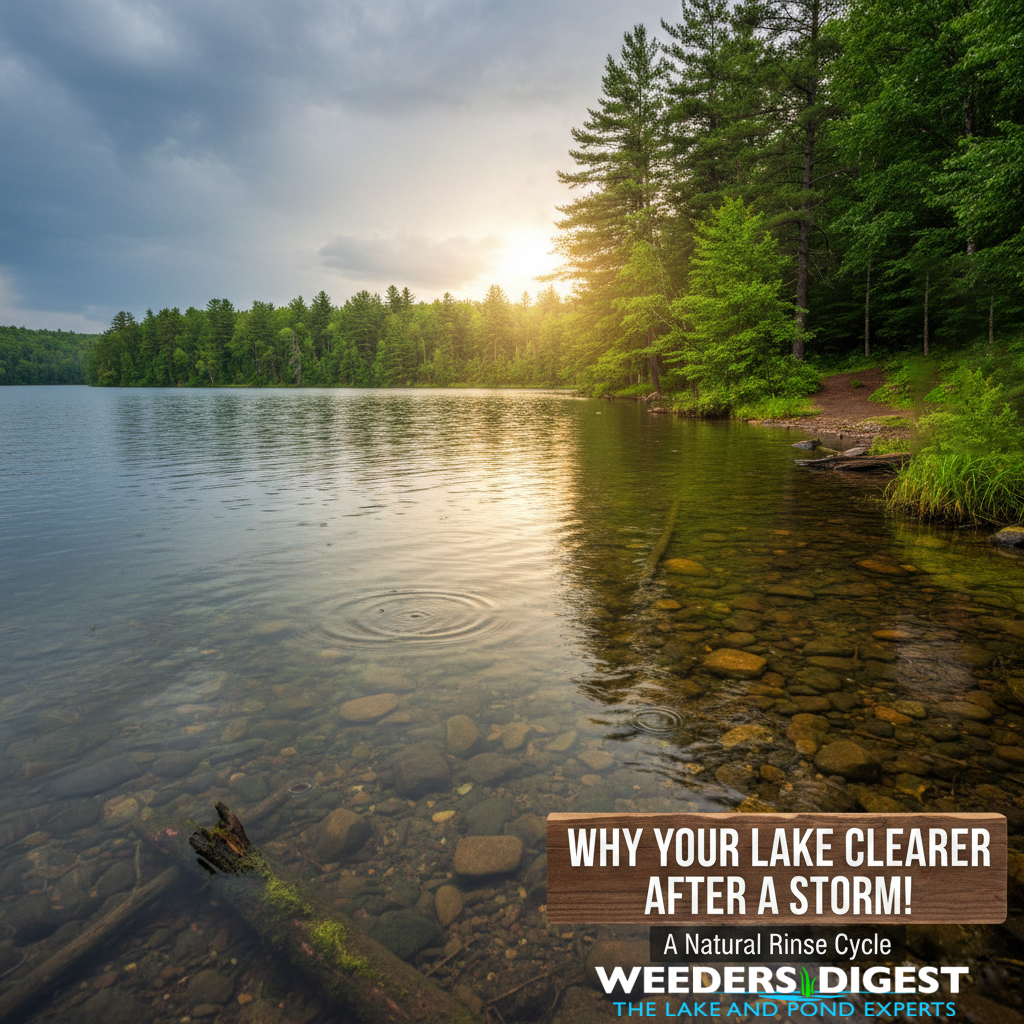
Ever noticed your favorite lake looking surprisingly pristine after a good downpour? It might seem counterintuitive, as storms often churn things up, but there are several fascinating reasons why your lake can appear clearer following certain weather events...
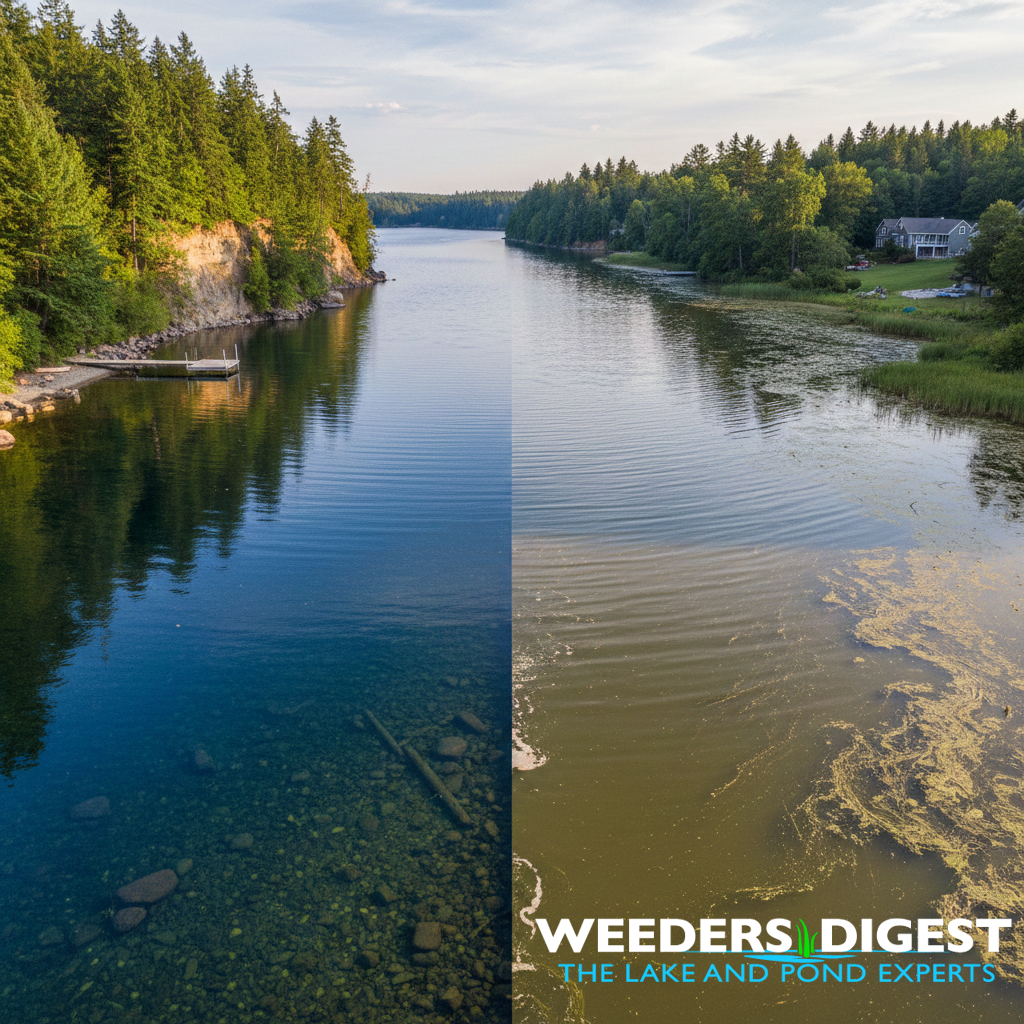
Why Is the Water Clearer on One Side of My Lake Than the Other?
It can be confusing to look across the water and see your neighbor’s shoreline looking crystal clear while your dock is surrounded by cloudy water or floating debris. This imbalance isn't usually due to someone being "cleaner" than the other; it is a result of the lake’s natural physics. Factors like the direction of the prevailing wind...
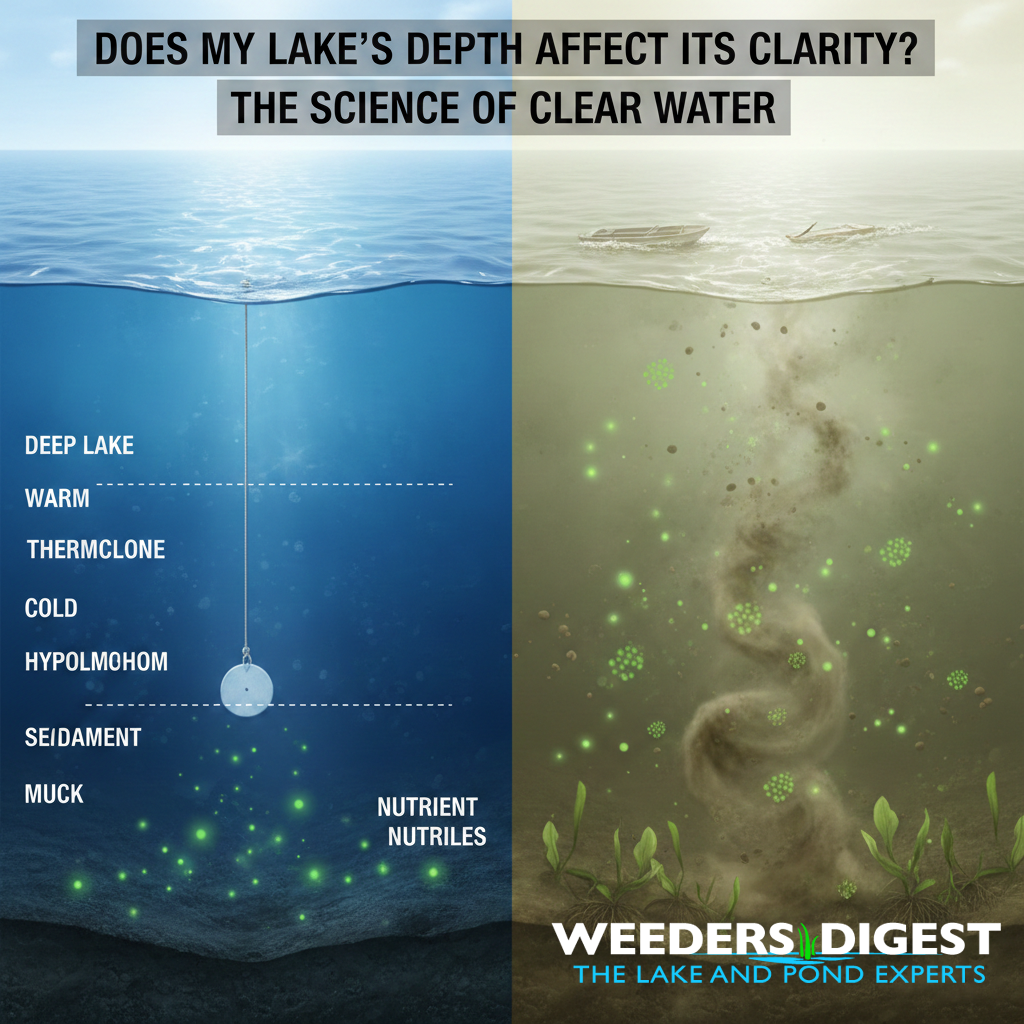
Does My Lake's Depth Really Affect Its Water Clarity?
Many homeowners assume that a deep lake is naturally "cleaner" than a shallow one, and while that isn't always true, depth is one of the most powerful factors in determining how clear your water stays throughout the year. In a deep lake, there is a massive "buffer" of cold water that keeps nutrients and muck trapped...
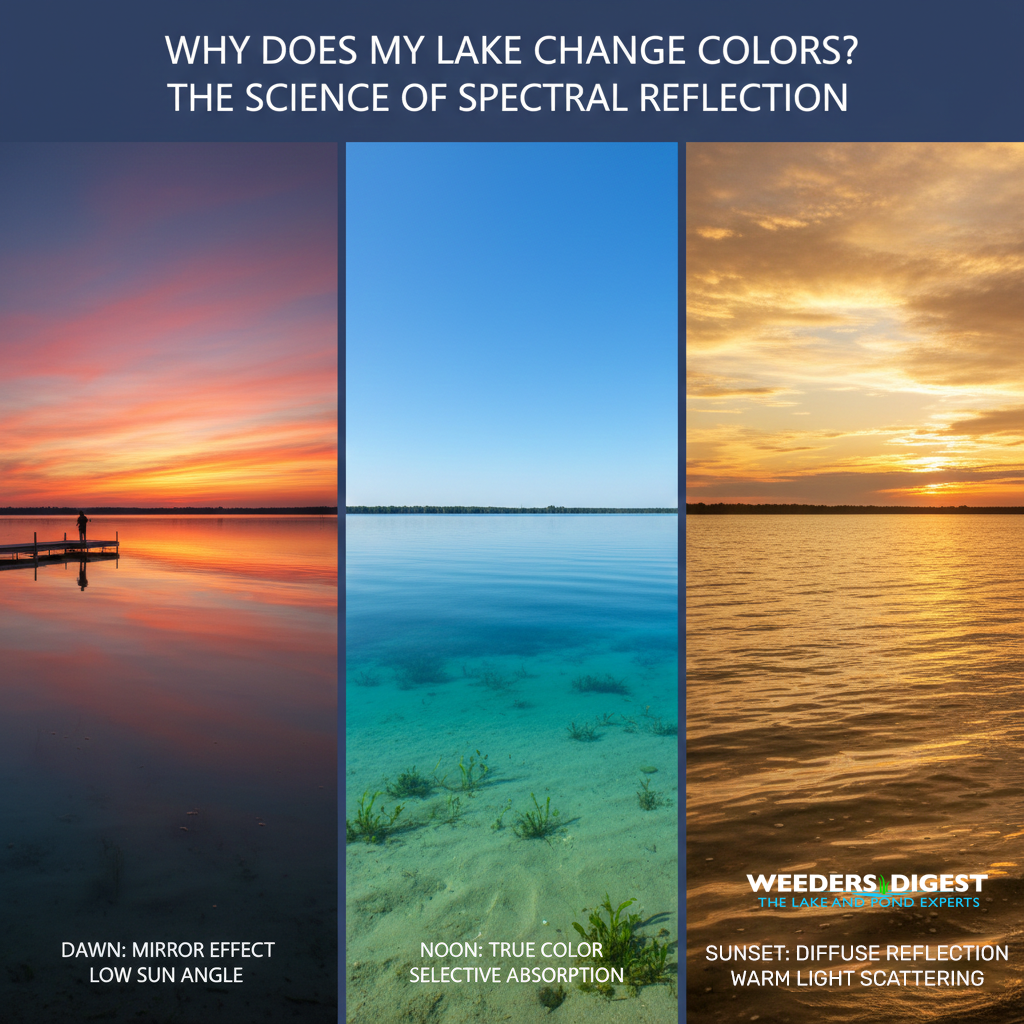
Why Does My Lake Look Like Different Colors at Different Times of Day?
One of the most beautiful aspects of lakefront living is watching the water shift from a deep indigo at dawn to a bright turquoise at noon and a golden-bronze at sunset. You might wonder if the water itself is changing, but these shifts are actually a masterpiece of light physics and "spectral...
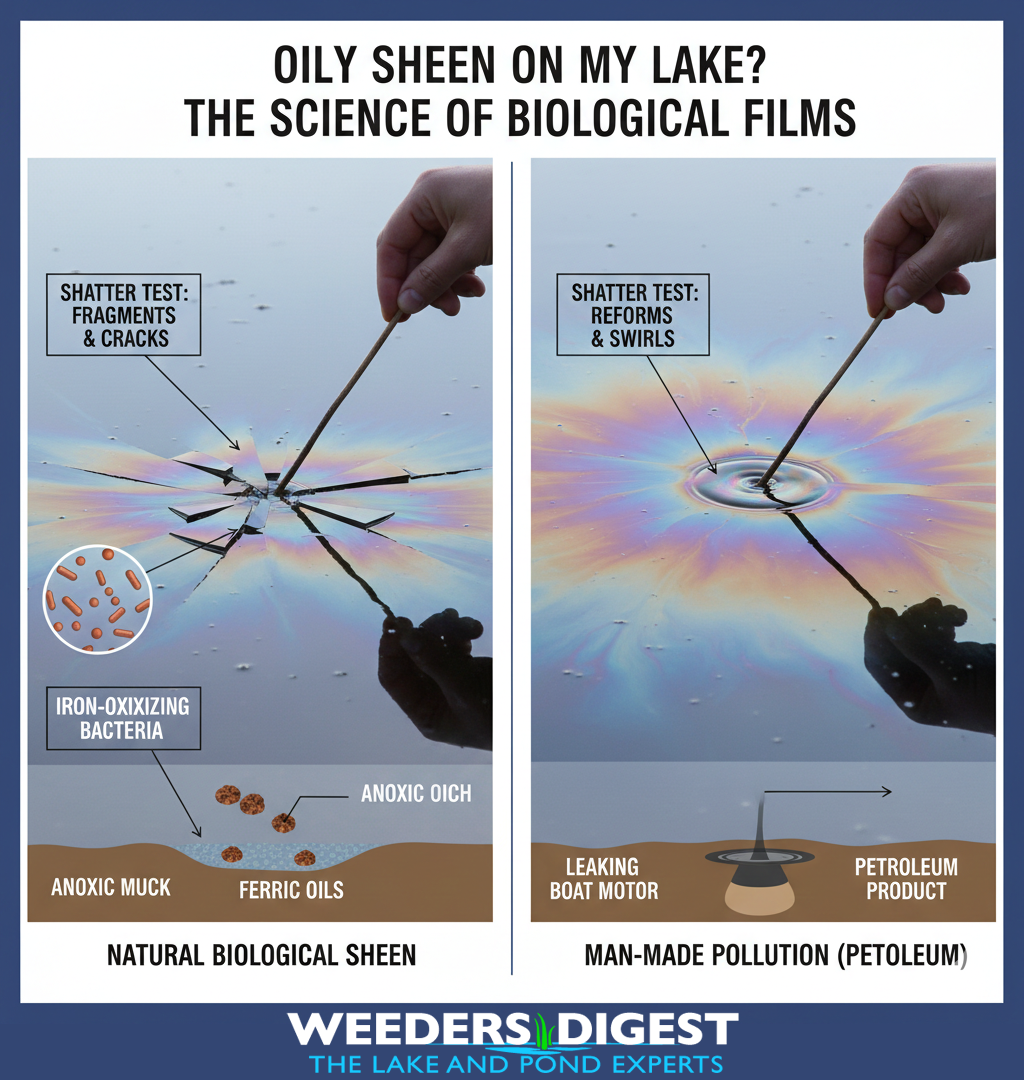
What Causes Those Oily-Looking Sheens on My Calm Water?
Finding a shimmering, rainbow-colored film on the surface of your lake can be alarming, as it often looks exactly like a gasoline or oil spill. While man-made pollution is always a possibility, these "oily" sheens are frequently a natural byproduct of the life cycle within your lake’s soil...
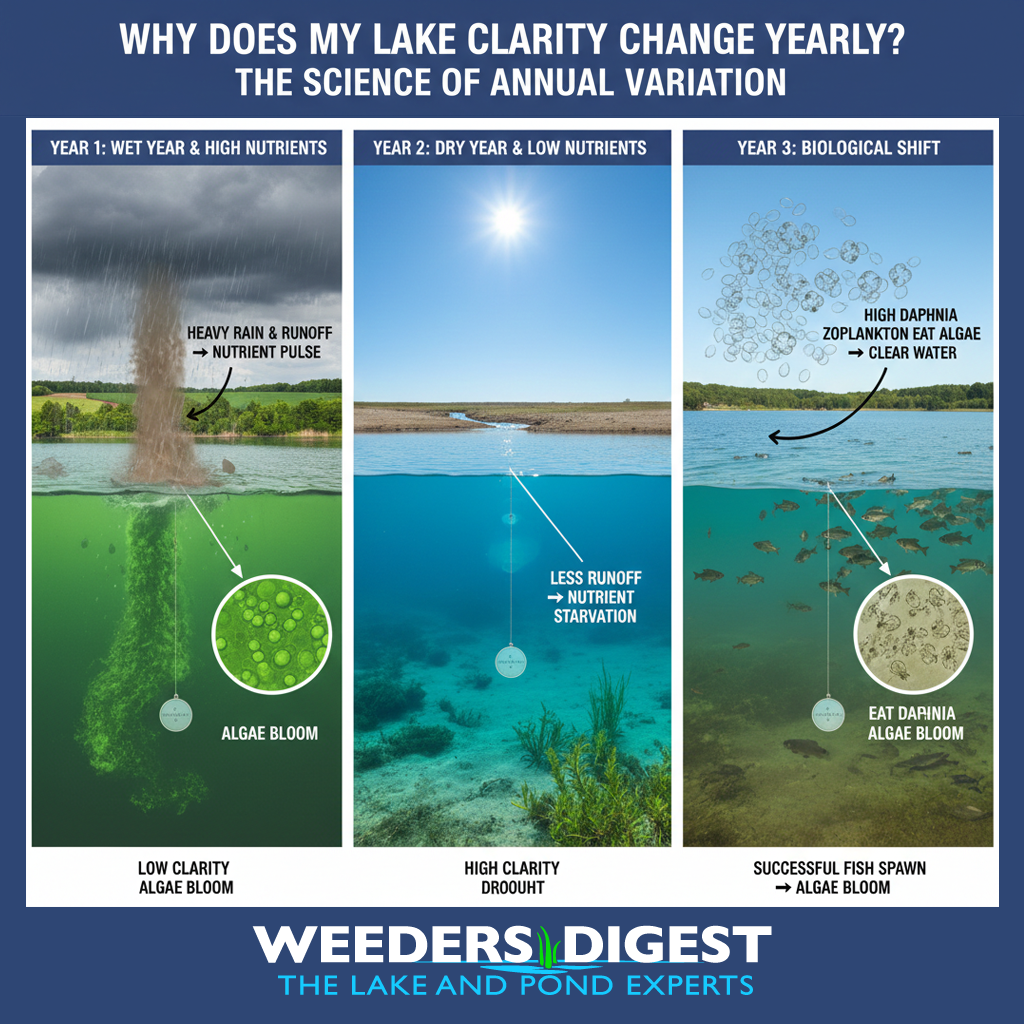
Why Does My Lake Water Clarity Change So Much From Year to Year?
It can be unsettling to see the water that was crystal clear last summer look cloudy or green this year, leading many to wonder if their lake is permanently "declining." However, it is perfectly normal for water clarity to fluctuate annually. A lake is a living, breathing system that reacts to the specific "weather diet" it receives each year...
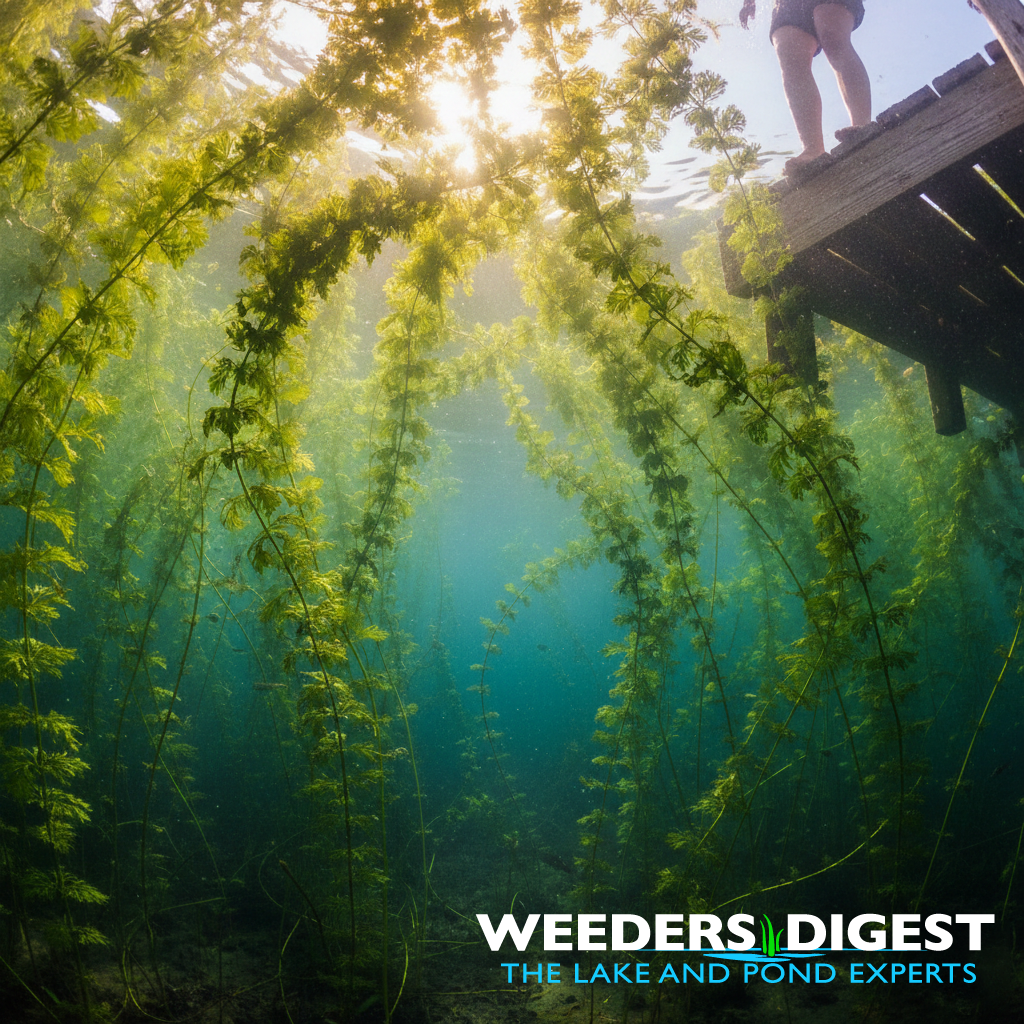
Why Do My Lake Weeds Suddenly Explode in Early Summer?
It often feels like you can go from a clear, sandy bottom to a dense underwater jungle in the span of a single week in June. This "sudden" explosion of growth isn't just your imagination; it is a biological phenomenon where the lake hits a perfect tipping point...
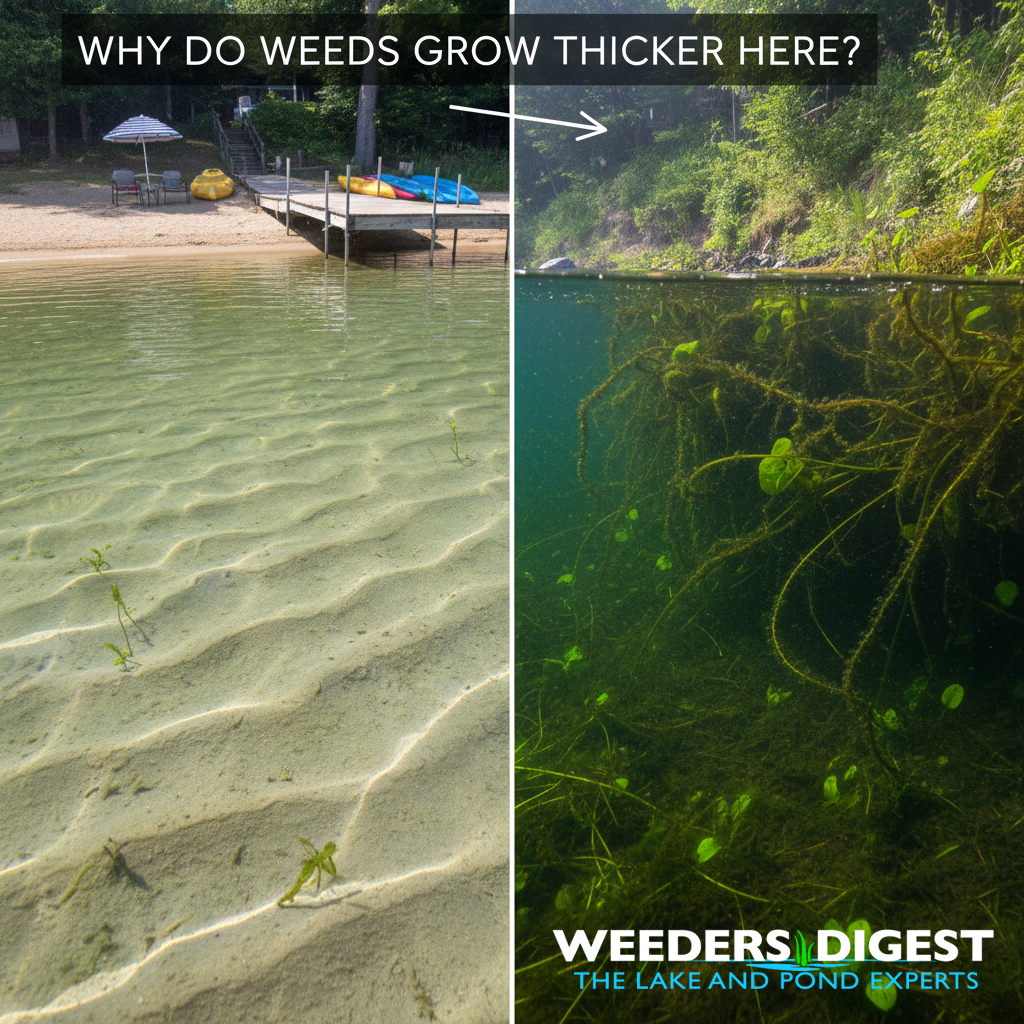
Why Do Weeds Grow Thicker Near My Shoreline Than My Neighbor’s?
It can be incredibly frustrating to look at your neighbor’s clean, sandy beach and then back at your own shoreline, which may be choked with thick weeds and muck. This disparity rarely comes down to luck or "better" water on their side; it is usually a result of the specific physical and chemical environment of your particular stretch of shore...
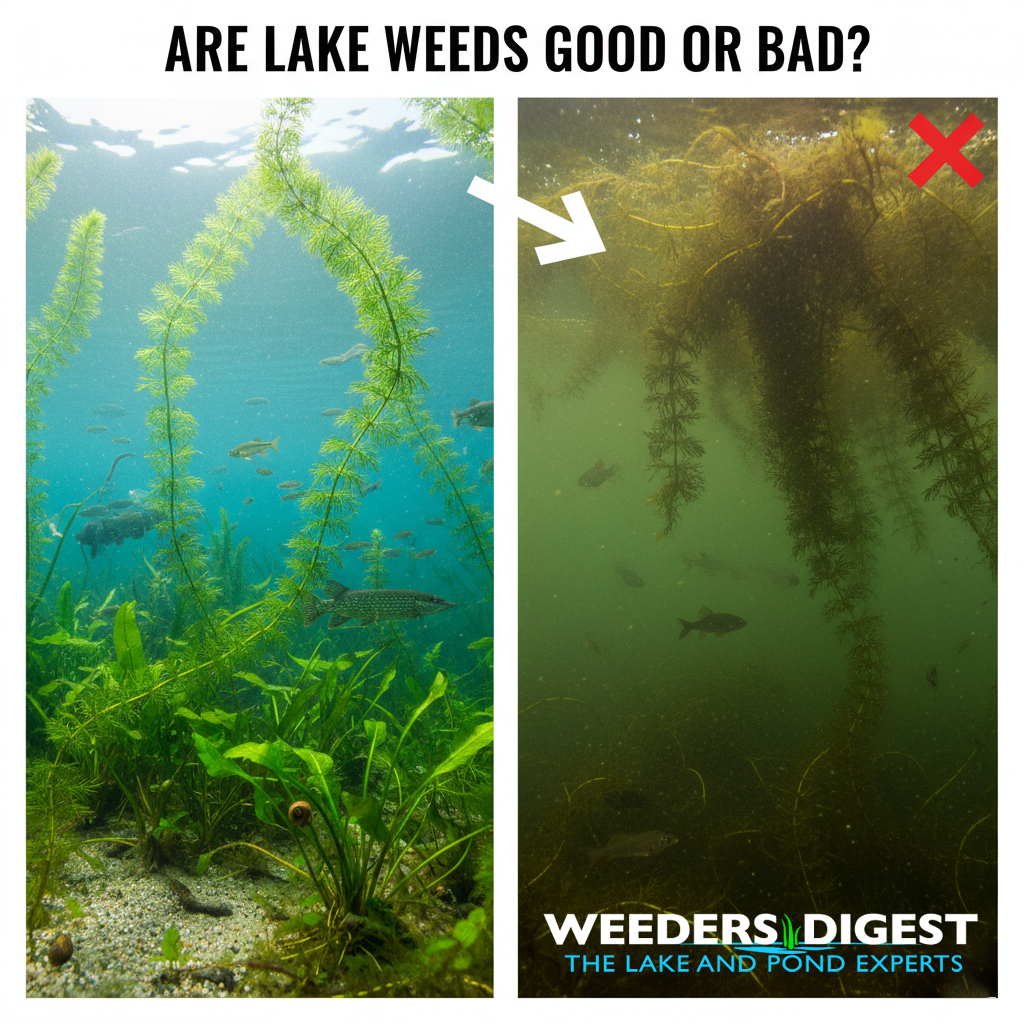
Are My Lake Weeds Actually Good for the Lake?
It is common to view aquatic plants as a nuisance that ruins a swimming area or tangles a boat propeller, but from an ecological standpoint, they are the "lungs" and "filter" of the ecosystem. Native lake weeds play a vital role in maintaining water clarity and supporting a healthy fish population...
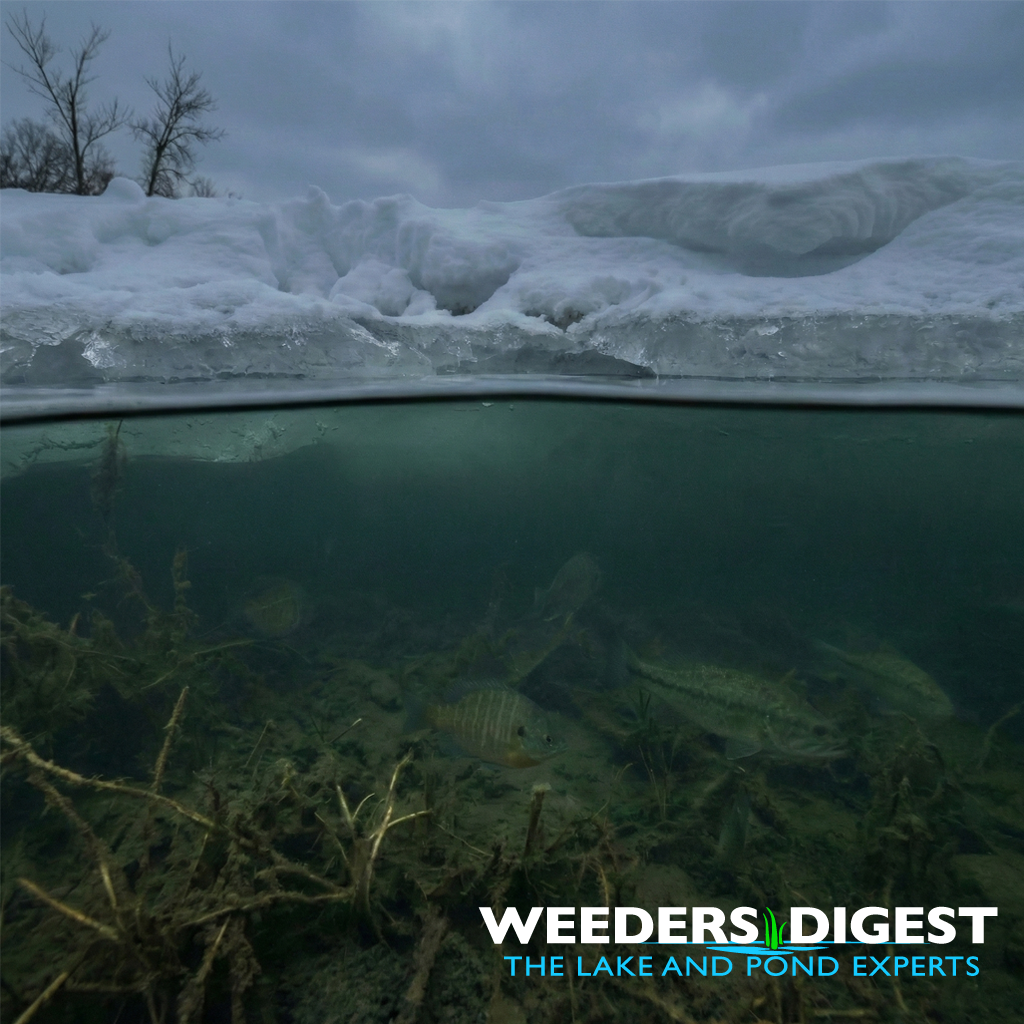
How Long Winters Are Secretly Reshaping My Lake
If you are like me, you might look out at a frozen lake in late March and simply see a dormant sheet of white, waiting for the spring thaw. However, beneath that ice, a long winter triggers a high-stakes survival drama that fundamentally changes the water chemistry and biology for the rest...
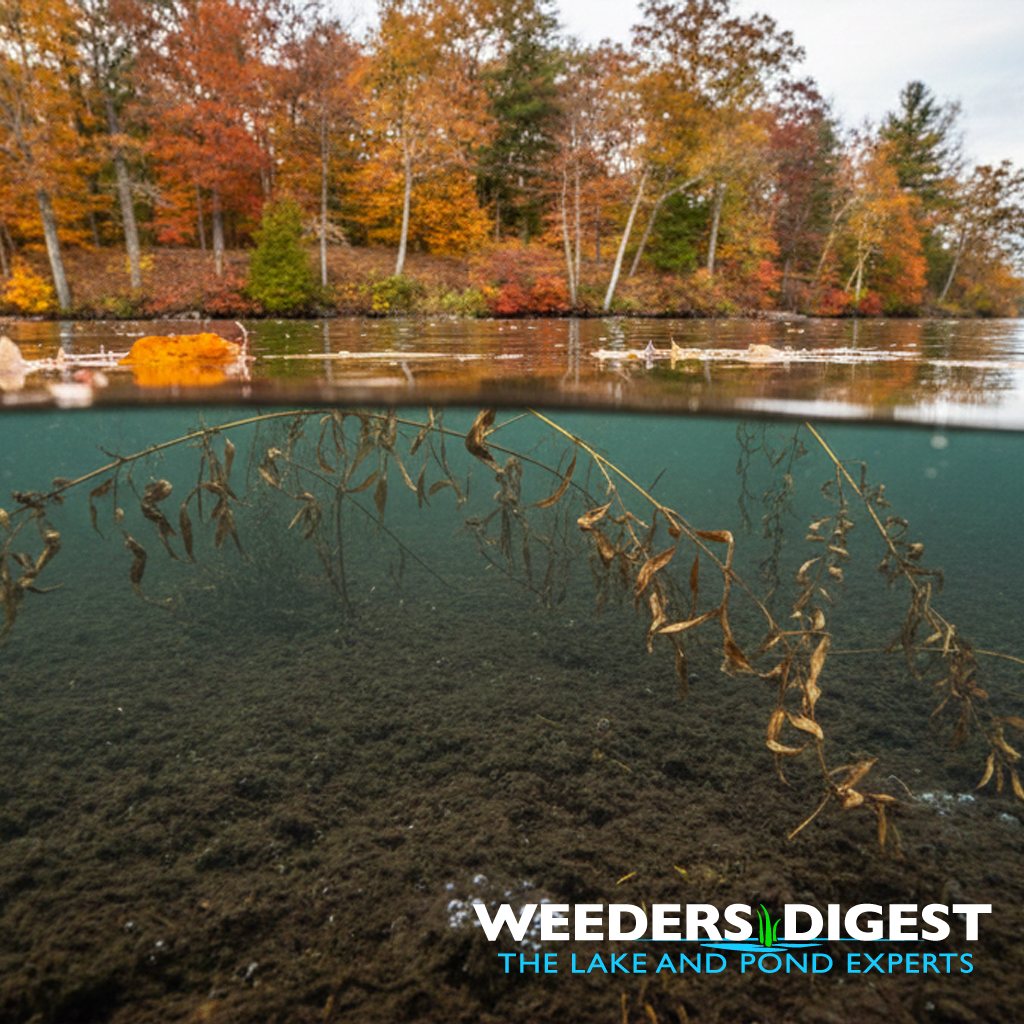
Why My Lake Weeds Disappear Every Winter While My Muck Only Gets Deeper
If you own a waterfront property, you have likely witnessed the frustrating cycle of the seasons. Every spring, aquatic plants—those pesky weeds—shoot toward the surface, and by mid-summer, they are thick enough to stall a boat motor. Then, as the temperatures drop in autumn, those plants...
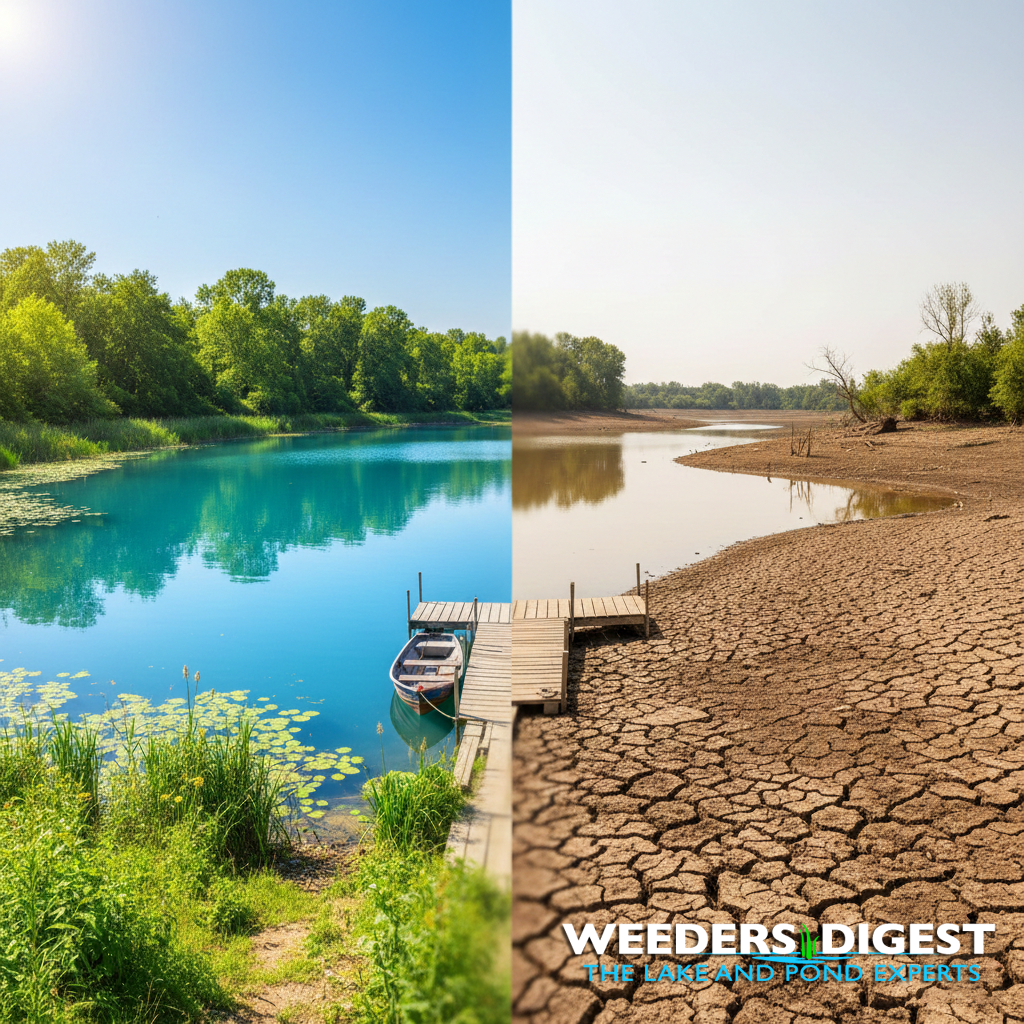
Is Your Lake Gone Forever? Understanding the Lasting Legacy of Drought on Your Shoreline
If you have watched your shoreline recede and your once-deep dock area turn into a mudflat, your first fear is likely that your lake is permanently broken. It is a heartbreaking sight for any homeowner to see the water they love vanish, leaving behind cracked earth and dying aquatic plants...
The Mystery of the Vanishing Water: Why Your Lake Level Changes Even Without Rain
It can be quite unsettling to walk down to your dock and notice the shoreline has receded several inches, especially when there hasn't been a cloud in the sky for a week. You might start wondering if there is a literal leak in the bottom of your lake or if a neighbor is secretly siphoning water...
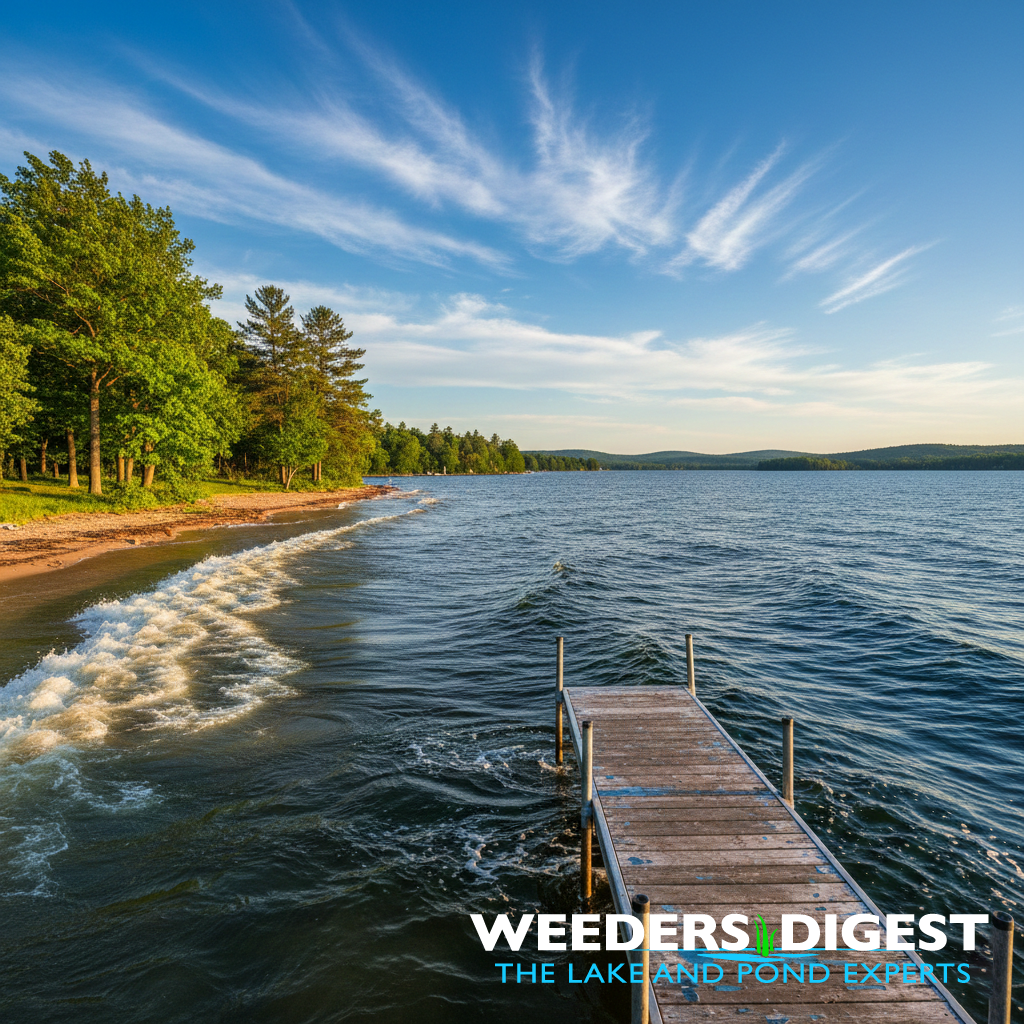
How Wind Direction Shapes My Favorite Fishing Spots and Your Shoreline
When you stand on your dock and feel a stiff breeze hitting your face, you aren't just feeling a change in the weather; you are witnessing the engine that drives your lake’s entire ecosystem. Most people think of wind as something that just creates waves, but for those of us who study water, wind direction is the primary architect of where fish...
Are My Favorite Northern Lakes Changing Forever? What I’m Seeing in the Water
If you have spent your summers on a northern lake, you might have noticed the water feels a bit like a bathtub lately. While a warm swim is nice, these hotter summers are actually causing significant changes beneath the surface. For those of us who love our clear, cool northern waters, the shift is more than just a change in temperature...
Why My Best Fishing Luck Always Happens at Dawn and Dusk
If you have ever spent a quiet morning by the water, you have likely noticed that the lake seems to come alive just as the sun begins to peek over the horizon. This isn't just a coincidence or a stroke of luck; it is a fundamental part of how aquatic ecosystems function. Fish are most active...
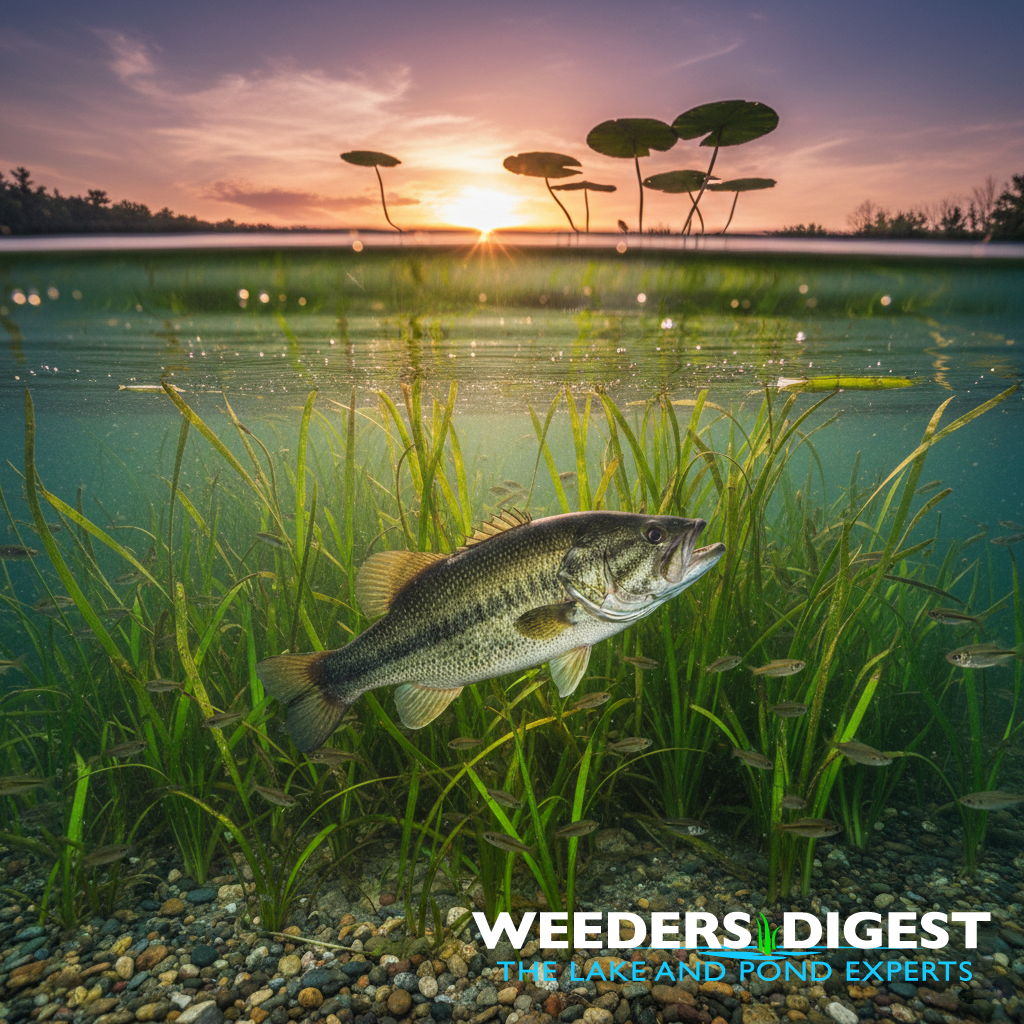
Are the Weeds in Your Pond Actually the Secret to My Best Fishing Season?
When you look out at your pond and see a thick mat of greenery, your first instinct might be to reach for the rake. It’s easy to view aquatic plants as nothing more than a nuisance that tangles your propeller and ruins the view. However, from my perspective as an ecologist, those...
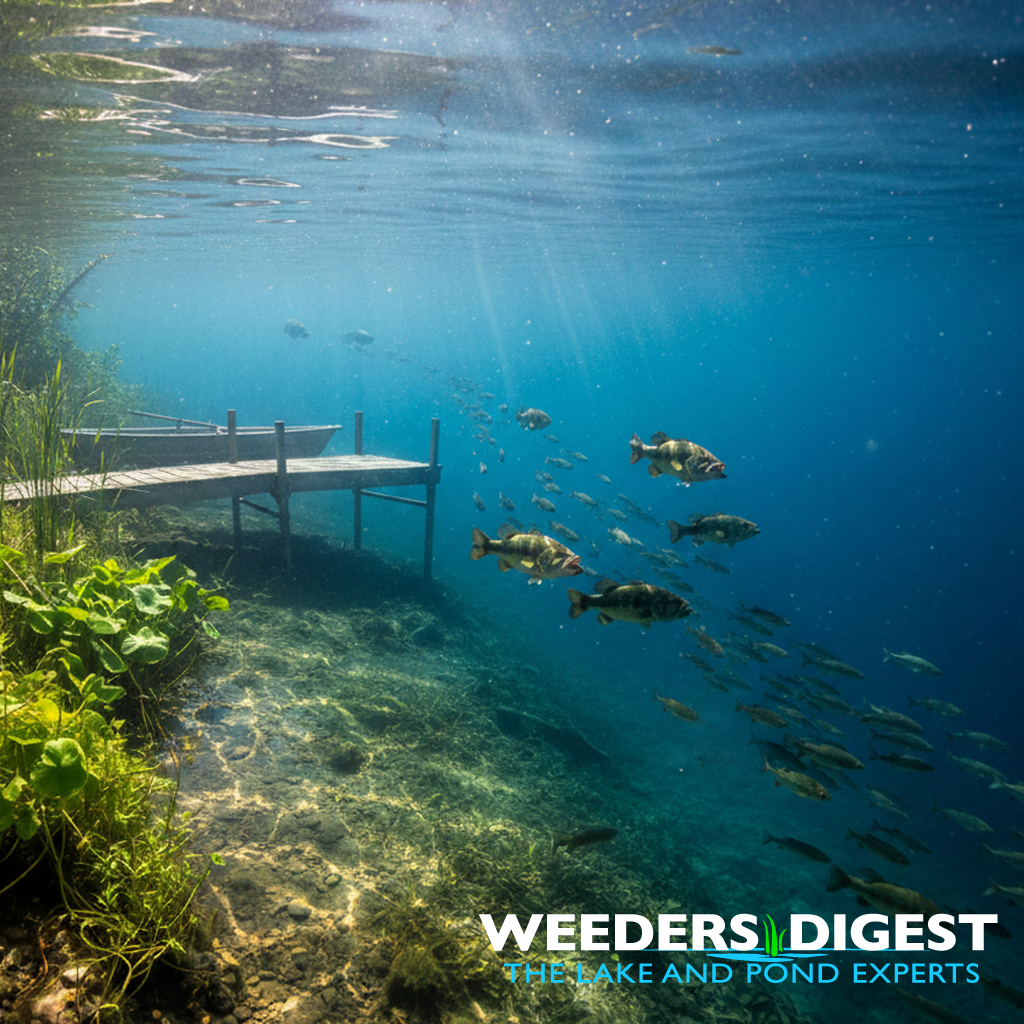
Why My Favorite Fishing Spots Go Quiet: Understanding Nearshore Fish Migration
If you have ever spent a summer on the dock wondering where all the fish went, you are not alone. It can be incredibly frustrating to see a shoreline teeming with life one year and then find it looking like a ghost town the next. While it might feel like the fish have simply disappeared...
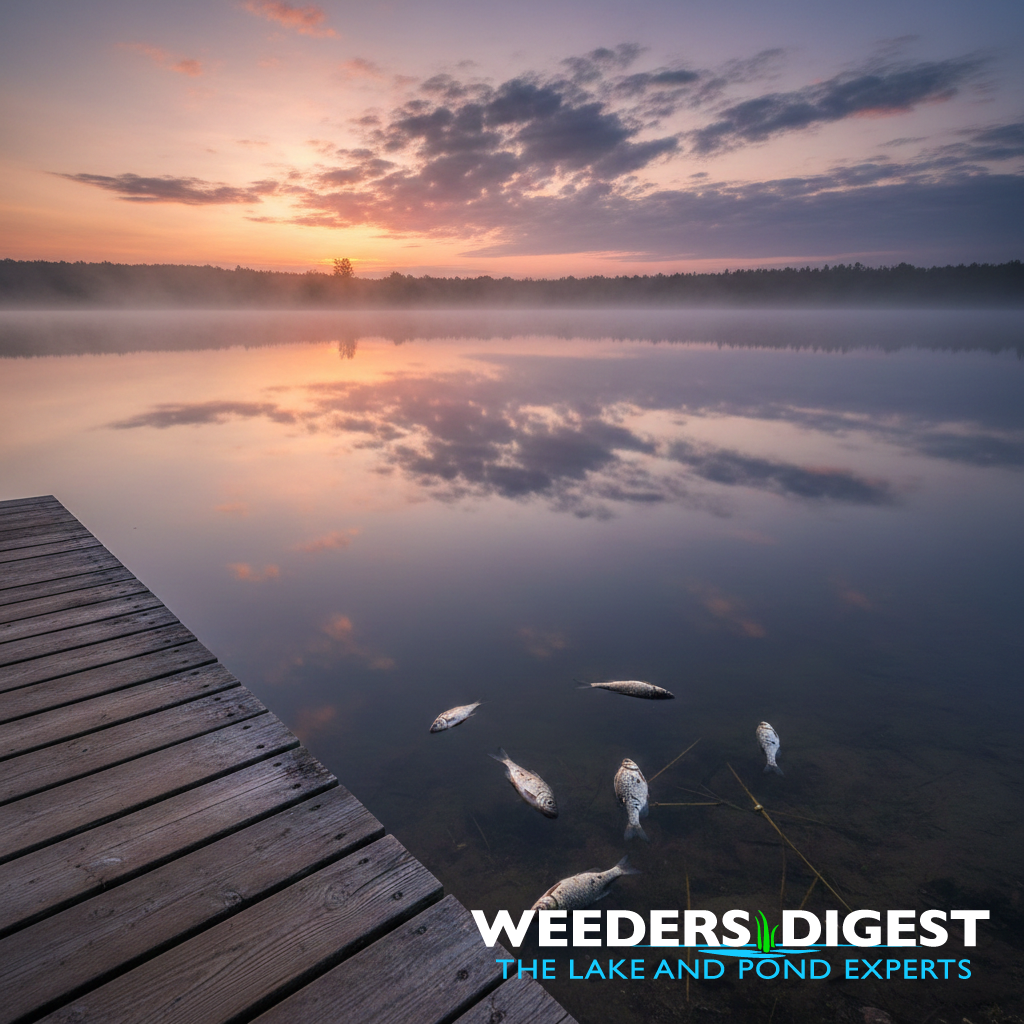
Why My Lake's Fish are Dying: Understanding the Causes of Sudden Fish Kills
It is a heartbreaking sight to walk down to your shoreline and find dozens or even hundreds of fish floating on the surface. When this happens in small lakes and ponds, your first instinct might be to worry about toxic spills or illegal dumping. However, most fish kills are actually natural...