

My Guide to Protecting Your Fish During Their Spawning Season
 |

Summary:
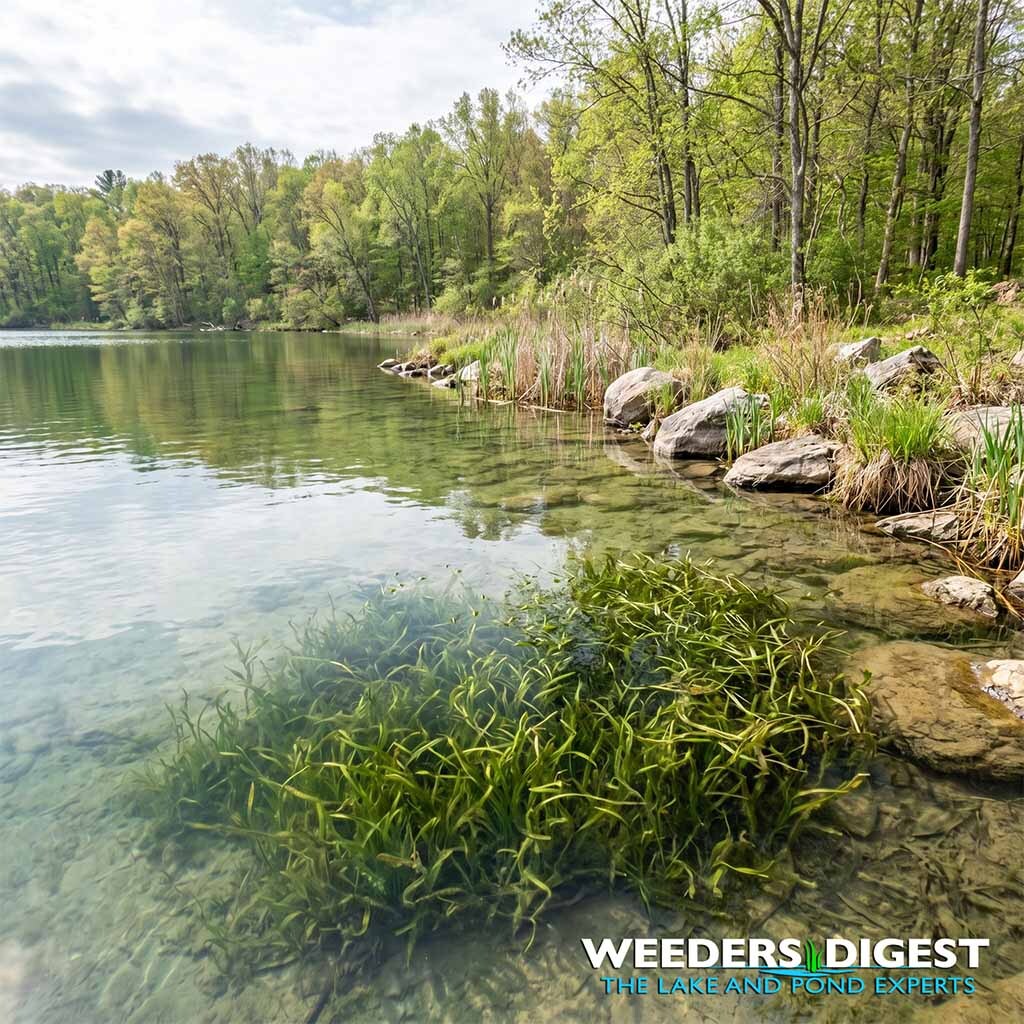
The most effective way to ensure a healthy fish population is to avoid major aquatic weed removal activities during the peak spawning window of your local fish species. Spawning is the most vulnerable period in a fish's life cycle, as they rely on specific nearshore habitats—such as submerged vegetation and firm, shallow substrates—to nest, lay eggs, and hide from predators. When you disturb these areas during reproduction, you risk disrupting the nesting process, causing fish to abandon their beds, or smothering eggs with dislodged sediment and decaying plant matter.
In my professional experience, I have often walked a shoreline where a well-intentioned owner removed all "nuisance" weeds just as the bass started to bed. The result is almost always a measurable drop in that year’s recruitment. By maintaining a sensible 20–30% coverage of native vegetation and pausing aggressive clearing during the spring months, you provide the structural complexity necessary for your fishery to thrive while still keeping your waterfront functional.
The Science Behind It:
The littoral zone, or the shallow nearshore area of a lake or pond, serves as the primary engine for biological productivity in freshwater ecosystems. This zone provides the physical architecture required for fish reproduction and juvenile survival. Research indicates that submerged aquatic vegetation (SAV) is not merely decorative; it is a critical nursery. Studies have shown that vegetated shallows can support 10 to 100 times as many young fish as weed-free areas, providing the necessary cover for fry to forage and escape predation.
During the spawning season, the physical presence of vegetation helps stabilize the substrate and filter sediment, which is vital for egg development. According to research cited by Michigan State University, total fish densities in these vegetated habitats can range from 6,000 to 800,000 fish per acre. This density is largely sustained by the protective cover afforded by native plants. When management practices involve removing this vegetation, the lack of cover leaves small fish highly susceptible to predation, and nesting adults may abandon their sites due to increased stress and lack of privacy.
Beyond habitat destruction, the timing of weed management has chemical implications. Mechanical or chemical removal during the active growing and spawning season can lead to rapid decomposition of plant material. As bacteria break down this vegetation, they consume vast quantities of dissolved oxygen. If oxygen levels fall below the critical threshold of 5 mg/L, the resulting stress or potential fish kills can devastate a population during their most sensitive developmental phase.
It is also important to note the qualitative data regarding habitat loss. In studies focusing on SAV patch size, it was observed that for every 0.6 square meter increase in vegetation patch size, total fish biomass catch increased by 6.5 grams per hour. This demonstrates a direct, quantitative relationship between the retention of native plant structure and the sustained productivity of the fishery. Therefore, integrated management plans should prioritize the protection of at least 20–30% of the water surface area to ensure that the ecological services—such as oxygen production, nutrient uptake, and habitat provision—remain intact during the recruitment phase.