

Navigating the Autumn Flyway: Why Your Lake Zone Attracts More Waterfowl in September
 |

Summary:
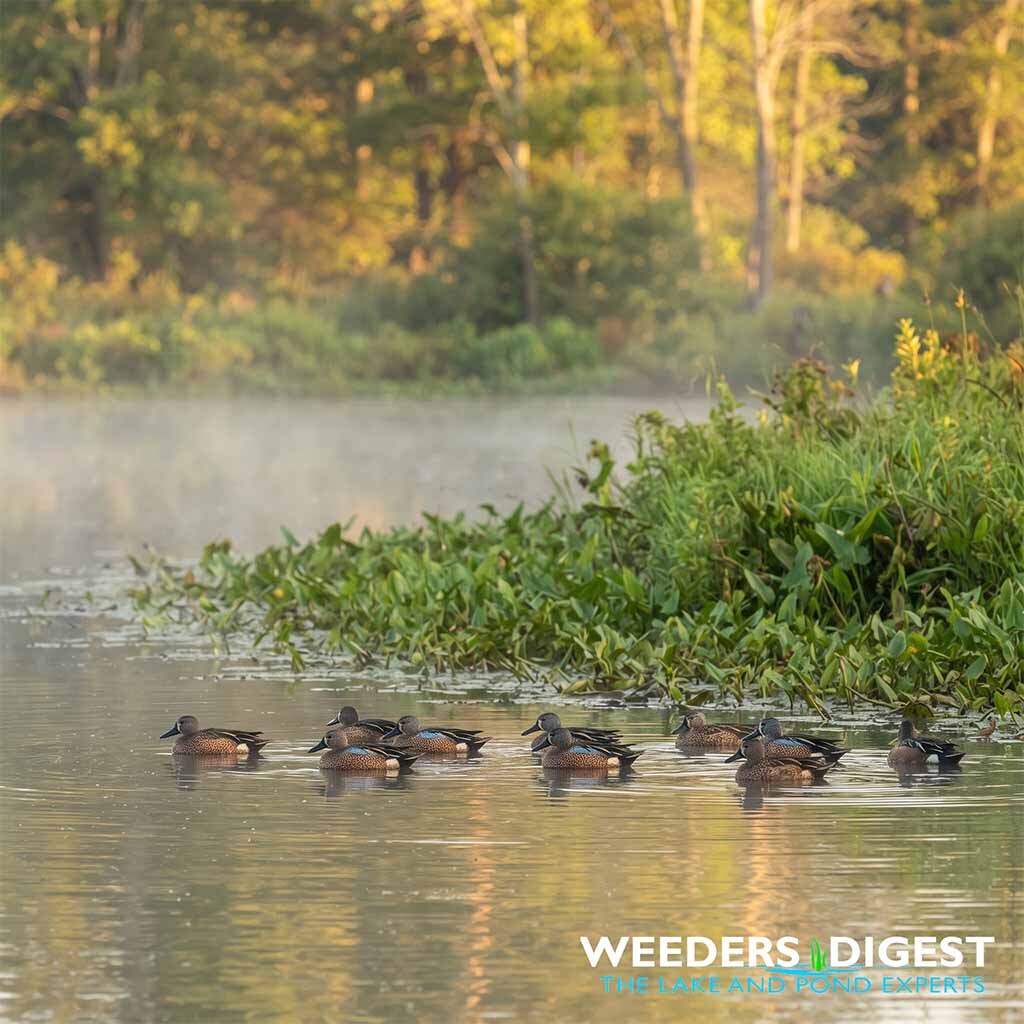
As September arrives, lake observers often notice a sudden and substantial increase in ducks, geese, and other migratory birds resting along the shorelines. Our analysis indicates that September waterfowl aggregations are primarily driven by early migratory timing triggered by shifting photoperiods, coupled with the peak availability of nutritious seeds and aquatic macroinvertebrates in shallow littoral zones. As northern breeding grounds begin to experience cooler evening temperatures and shorter daylight hours, birds initiate their southward journeys, utilizing local lakes as vital staging areas. During routine shoreline assessments in early autumn, pond experts frequently observe flocks of early migrants—such as blue-winged teal—actively dabbling in shallow zones where submersed vegetation reaches peak seasonal maturity. These environments provide an essential caloric pitstop, offering the abundant energy reserves required before birds push further along their flyway routes.
The Science Behind It:
The physiological catalyst for autumn waterfowl migration is photoperiodism, where declining day length signals the neuroendocrine system of birds to alter hormone production, preparing them for long-distance flight. While day length initiates this internal clock, localized environmental cues and food resource distribution dictate where these flocks ultimately land. In September, shallow lake zones and littoral shelves undergo critical biological transitions. Submerged aquatic vegetation (SAV), which includes native species like coontail (Ceratophyllum demersum) and wigeongrass (Ruppia maritima), reaches maximum above-ground biomass, creating rich feeding microhabitats.
Research evaluating migratory waterfowl habitat selection demonstrates a clear ecological preference among early arrivals. Studies analyzing pond utilization relative to vegetation structure show that migratory waterfowl display a strong affinity for native plant communities, with documented findings indicating that 73 percent of total waterfowl counts occurred in water bodies dominated by native vegetation, compared to just 4 percent in watermilfoil-dominated systems and 23 percent in hydrilla-dominated systems. This preference stems from the higher nutritional value and superior invertebrate recruitment found on native aquatic plants, which supply essential proteins and lipids during the molt and pre-migration phase.
Furthermore, early autumn waterfowl movements are heavily influenced by specific feeding ecologies. Species like the blue-winged teal rely heavily on shallow, nutrient-rich wetlands to forage on seeds and benthic macroinvertebrates before northern waters freeze. As these birds descend upon local lakes in September, their foraging behavior also impacts the aquatic ecosystem. High waterfowl densities can exert significant grazing pressure on submersed macrophytes and alter local nutrient dynamics through bioturbation and excretion. Understanding these complex ecological interactions helps lake experts evaluate habitat health and anticipate seasonal shifts in wildlife activity.
Sources / References:
- Ducks Unlimited - Understanding Waterfowl: The Magic of Migration: https://www.ducks.org/conservation/waterfowl-research-science/understanding-waterfowl-the-magic-of-migration
- ResearchGate / US Army Engineer Research and Development Center - Migratory Waterfowl Habitat Selection in Relation to Aquatic Vegetation: https://www.researchgate.net/publication/235104500_Migratory_Waterfowl_Habitat_Selection_in_Relation_to_Aquatic_Vegetation
- National Institutes of Health / PMC - Turbidity, Waterfowl Herbivory, and Propagule Banks Shape Submerged Aquatic Vegetation in Ponds: https://pmc.ncbi.nlm.nih.gov/articles/PMC6232765/