

Navigating the Autumn Shift: How September Bird Migrations Transform Your Lake's Ecosystem
 |

Summary:
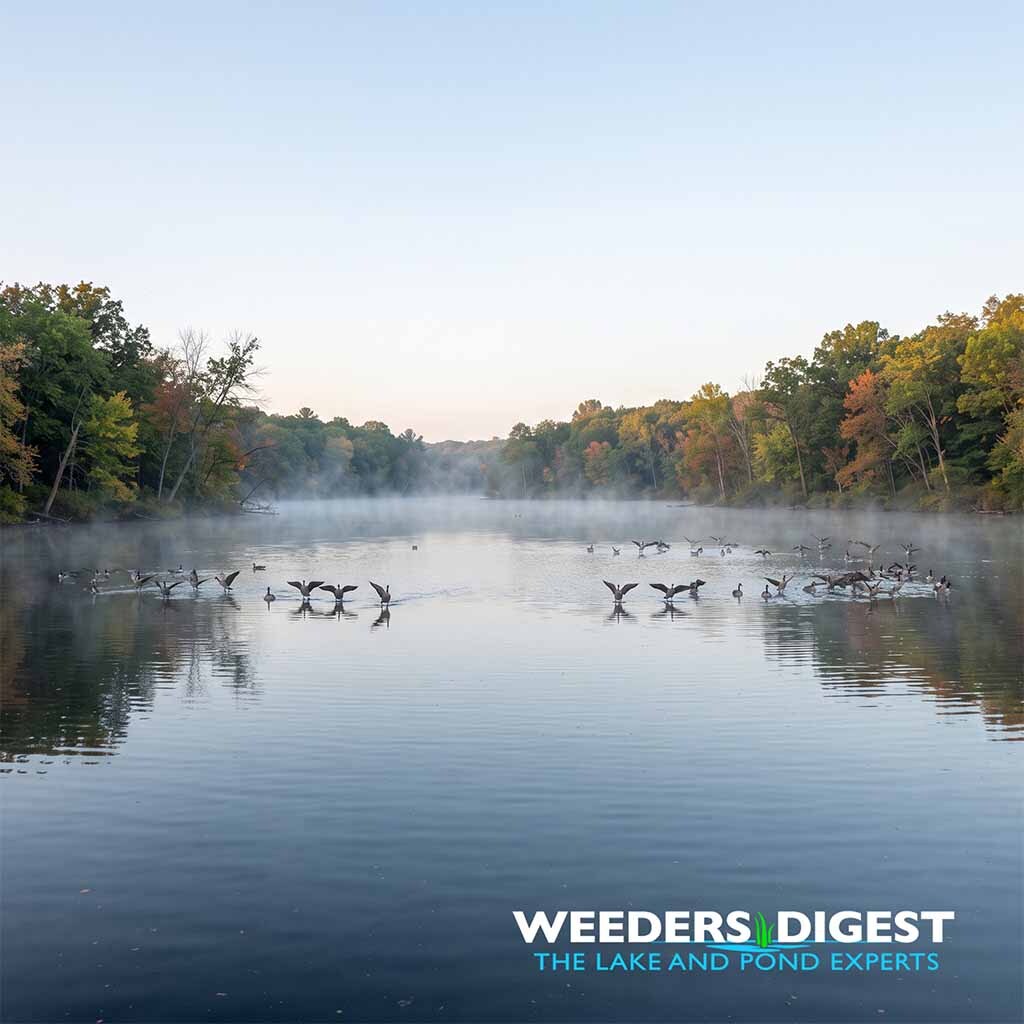
As September arrives, early-season bird migrations initiate a profound ecological shift in lakes and ponds by introducing major nutrient subsidies and altering local food webs. When migratory waterfowl and shorebirds begin arriving at freshwater stopover sites, their presence directly impacts water chemistry through organic inputs and foraging behavior. Walking along the shoreline during this transition, pond experts frequently notice the sudden appearance of staging flocks, accompanied by an immediate uptick in surface activity and localized organic enrichment. We recognize that these seasonal movements act as vital biological links, connecting distant terrestrial and aquatic habitats while setting the stage for autumn limnological turnover.
The Science Behind It:
The arrival of migratory avifauna in September serves as a powerful vector for allochthonous nutrient transport, bridging terrestrial landscapes and aquatic ecosystems. As waterfowl such as dabbling ducks, coots, and early-arriving shorebirds descend upon freshwater bodies, they function as biological pumps, transferring nitrogen and phosphorus directly into the water column via guano deposition and shoreline disturbance. Research examining aquatic ecosystem responses to high-density bird utilization demonstrates that bird-impacted waterbodies experience significantly elevated nutrient concentrations—particularly bioavailable phosphorus—which directly stimulates primary production.
This sudden pulse of nutrients heavily influences the lower trophic levels of the lake. Limnological studies on seasonal wetland dynamics highlight that heavy bird impact correlates with a notable rise in phytoplankton biomass, often shifting community structures toward an increased dominance of cryptophytes and cyanobacteria. As microscopic algae respond to the elevated nutrient loading, water clarity can undergo rapid, localized reductions. Furthermore, physical bioturbation and foraging—often referred to as grubbing—disturb benthic sediments, resuspending nutrients and organic matter that would otherwise remain sequestered at the sediment-water interface.
Simultaneously, the trophic cascade extends upward into zooplankton and macroinvertebrate communities. Elevated organic inputs stimulate microbial loops, frequently resulting in altered zooplankton abundance and shifts in ciliate populations as the microbial community responds to the enriched environment. These biological modifications coincide with September's declining photoperiod and cooling water temperatures, compounding natural thermal stratification breakdown.
Ultimately, the influx of migratory populations introduces a complex web of ecological feedback loops that accelerate autumn nutrient recycling. By acting as mobile biovectors, these migratory species ensure that the lake's biological oxygen demand and nutrient budgets are dynamically recalibrated well before full autumn turnover occurs. Understanding these intricate ecological connections allows lake managers and researchers to better differentiate between natural, migration-driven nutrient pulses and anthropogenic eutrophication stressors.