

Unlocking Your Lake’s Ecosystem: My Guide to Algae Dynamics and Cyanobacteria
 |

Summary:
Algae dynamics refer to the continuous, natural shifts in the populations and life cycles of microscopic aquatic plants, while cyanobacteria (often called blue-green algae) are a specific type of photosynthesizing bacteria capable of forming harmful, toxic blooms. When we talk about how a lake breathes and changes throughout the year, we are essentially discussing the balance of these microscopic organisms. Algae form the foundational base of the aquatic food web, producing necessary oxygen and feeding small aquatic life. However, when the delicate balance of nutrients, sunlight, and water temperature is disrupted, certain problematic species—namely cyanobacteria—can rapidly outcompete beneficial algae and take over the entire water column.
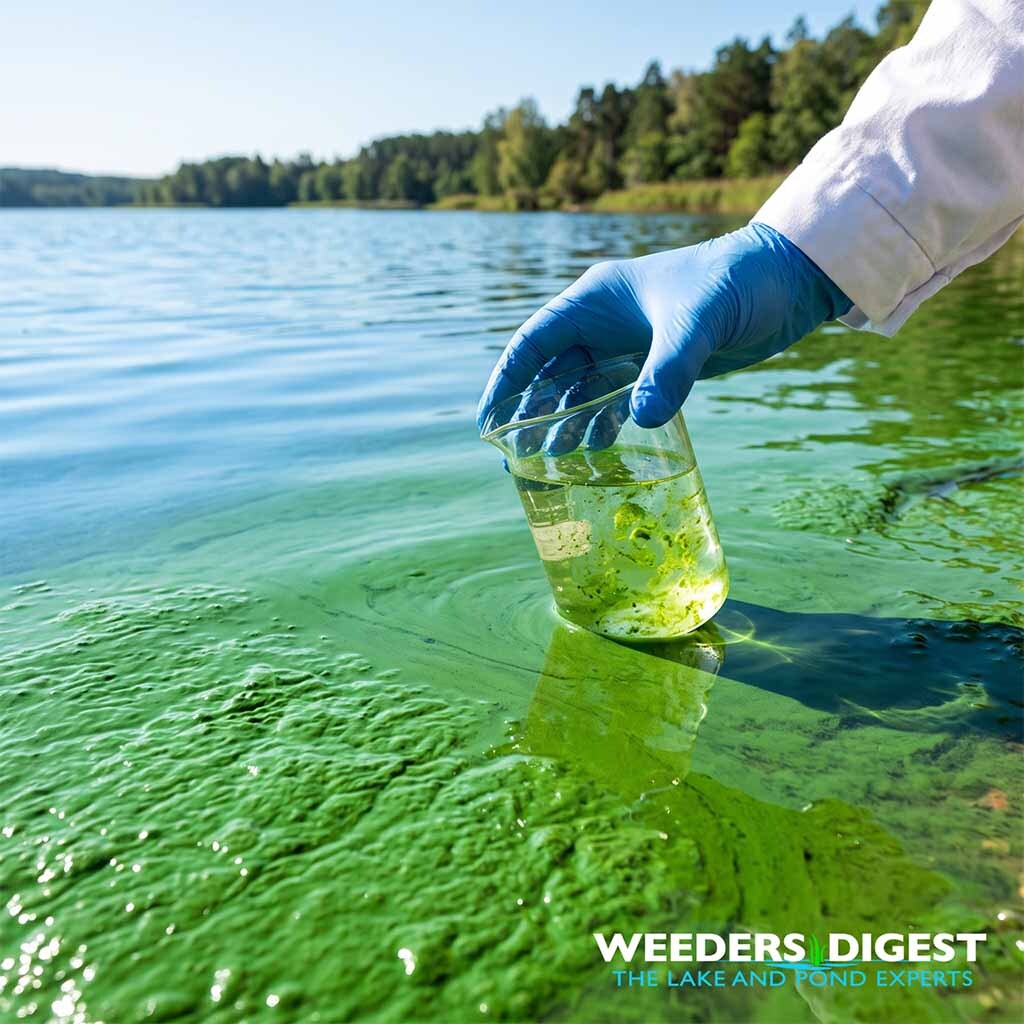
As a Certified Lake Manager, one of the most common field observations I make during mid-summer site visits is the distinct shift in watercolor and texture that signals a cyanobacteria bloom taking hold. While conducting routine water quality sampling on a community pond recently, I noticed the water surface transforming from a healthy, clear olive-green to a thick, vibrant green scum that looked exactly like spilled latex paint. This visual cue, combined with an earthy, foul odor, immediately told me that the lake's algae dynamics had severely shifted, transitioning from a balanced ecosystem to a dangerous cyanobacteria-dominated state that required immediate testing and communication to protect local pets and residents.
Understanding these dynamics is vital for anyone who lives on, enjoys, or manages a body of water. Normal green algae are generally harmless and essential for fish and invertebrates, but cyanobacteria possess unique survival traits that allow them to thrive in stagnant, nutrient-rich environments. By recognizing the difference between a natural algal fluctuation and a potentially dangerous cyanobacterial bloom, lake owners can take proactive, informed steps to limit nutrient runoff, aerate their water, and keep their aquatic ecosystems healthy and safe year-round.
The Science Behind It:
The ecological mechanics governing phytoplankton communities are primarily dictated by nutrient stoichiometry, thermal stratification, and light availability. Phytoplankton dynamics involve the seasonal succession of various microscopic taxa, such as diatoms dominating in the cooler spring months, followed by green algae (Chlorophyta) as water temperatures rise, and often culminating in the dominance of cyanobacteria (Cyanophyta) during the peak thermal conditions of late summer. Cyanobacteria are prokaryotic organisms that share physiological traits with bacteria but perform oxygenic photosynthesis much like true plants. Their distinct competitive advantage in eutrophic (nutrient-rich) systems stems from specialized cellular structures called gas vesicles, which allow them to regulate their buoyancy and migrate vertically in the water column to optimize light exposure and access nutrient pools in the hypolimnion (the dense, colder bottom layer of a stratified lake).
A critical driver of cyanobacterial blooms, or Harmful Algal Blooms (HABs), is the excessive availability of macronutrients, particularly phosphorus (P) and nitrogen (N). Eutrophication, the process by which a water body becomes overly enriched with these anthropogenic nutrients, significantly alters the natural algae dynamics, skewing the community structure entirely toward cyanobacteria. Phosphorus is typically the limiting nutrient in freshwater ecosystems, meaning its availability directly controls algal growth rates. According to a 2023 peer-reviewed study published in Water (MDPI), researchers utilizing an improved Monod kinetic model determined that the lower threshold of phosphorus concentration required to limit the growth of the ubiquitous and toxic cyanobacterium Microcystis aeruginosa is specifically 0.0386 mg/L. When environmental phosphorus concentrations exceed this minute threshold, Microcystis exhibits a rapid growth rate that surpasses other beneficial green algae, ultimately leading to massive monoculture blooms.
Furthermore, the economic and ecological ramifications of these altered dynamics are severe when cyanobacteria produce secondary metabolites known as cyanotoxins, such as microcystins and cylindrospermopsins. These highly resilient hepatotoxins and neurotoxins pose lethal risks to aquatic biota, domestic livestock, and human health. The magnitude of these toxic events is substantial on a macroscopic scale; a comprehensive report by the U.S. Geological Survey (USGS) highlighted that a single major cyanobacterial harmful algal bloom event in Lake Erie during August 2014 resulted in an estimated economic impact of $65 million in lost benefits, encompassing severe losses in recreation, tourism, property values, and massively increased drinking-water treatment costs. This quantitative data rigorously underscores the profound real-world consequences of micro-level shifts in phytoplankton dynamics.
To effectively mitigate the dominance of cyanobacteria, limnological management strategies must focus on disrupting their specific ecological advantages. This involves systematically addressing external nutrient loading from surrounding watersheds and managing internal nutrient cycling from benthic sediments. By understanding precise nutrient thresholds, such as the 0.0386 mg/L phosphorus limit for M. aeruginosa, aquatic ecologists can calculate exact target nutrient reduction goals for a watershed. Advanced physical and chemical mitigation techniques rely on these foundational principles of aquatic ecology to break the cycle of eutrophication, restore a balanced, diverse phytoplankton community, and permanently prevent the formation of toxic cyanobacterial scums.