

Where Do Our Turtles Go When the Water Cools in September?
 |

Summary:
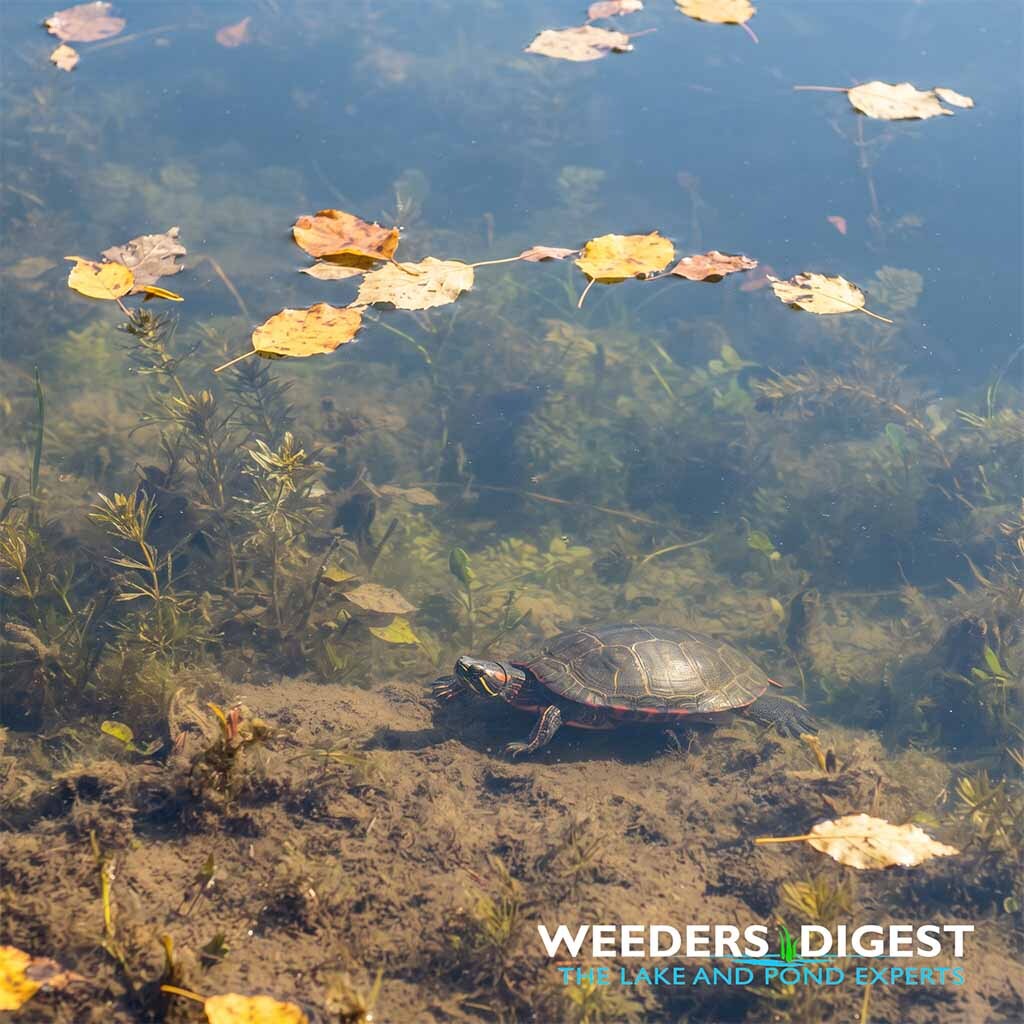
As September brings cooler water temperatures, our aquatic turtles begin migrating to the safety of deep pond and lake sediments to undergo brumation, a reptilian form of winter dormancy. During this seasonal shift, metabolism slows drastically, and turtles rely entirely on stored fat reserves and oxygen absorbed through their skin. In our field observations across northern waters during early autumn, we frequently notice painted and snapping turtles congregating in shallow transitional zones before diving into the benthic mud as water dips below 10°C. This natural survival strategy allows them to endure months of freezing surface conditions safely encased beneath the ice until spring warmth returns.
The Science Behind It
The Science Behind It: As autumn atmospheric cooling drives down water temperatures in September, ectothermic freshwater turtles must initiate physiological and behavioral transitions to survive freezing winter conditions. Unlike endotherms, turtles cannot generate internal body heat, making their vital processes entirely dependent on ambient water temperatures. Research published in the Journal of Herpetology highlights that species such as the painted turtle (Chrysemys picta) begin seeking overwintering sites when water drops below 10°C, typically burying themselves 10 to 50 centimeters deep into the benthic substrate or organic muck of ponds and lakes.
This overwintering process is known as brumation, a state of metabolic depression where heart rates, respiration, and digestive activity plummet to minimal levels. A study conducted by Ultsch et al. (2000) on aquatic turtle overwintering ecology demonstrated that submerged painted turtles can reduce their metabolic rate to approximately 5% to 10% of their normal summer levels. Because they remain submerged for months without breathing air through their lungs, turtles switch to aquatic cutaneous respiration. Specialized vascular beds in the skin, pharynx, and cloaca allow them to extract dissolved oxygen directly from the surrounding water and expel carbon dioxide, preventing lethal acidosis during long periods of ice cover.
Despite these advanced physiological adaptations, extreme environmental stressors can occasionally compromise survival during extended winters. Prolonged ice cover combined with high biological oxygen demand (BOD) in eutrophic ponds can completely deplete dissolved oxygen in the water column and benthic boundary layers. According to aquatic ecology monitoring data, anoxia lasting beyond 100 days can result in critical lactate accumulation in tissues, which threatens overwintering populations if spring thaws are delayed. Understanding these aquatic mechanics helps our pond experts evaluate ecosystem health and water quality dynamics throughout the seasonal cycle.
Sources / References:
-
Ultsch, G. R., & Reese, S. A. (2000). The overwintering of turtles: metabolic, biochemical, and organismal aspects. Journal of Experimental Zoology, 286(6), 570–582.
https://doi.org/10.1002/1097-010X(20001215)286:6 -
Ernst, C. H., & Lovich, J. E. (2009). Turtles of the United States and Canada. Johns Hopkins University Press.
https://doi.org/10.56021/9780801891212