

Why Fishing During a Late Summer Thunderstorm Can Dramatically Boost Our Catch Rates
 |

Summary:
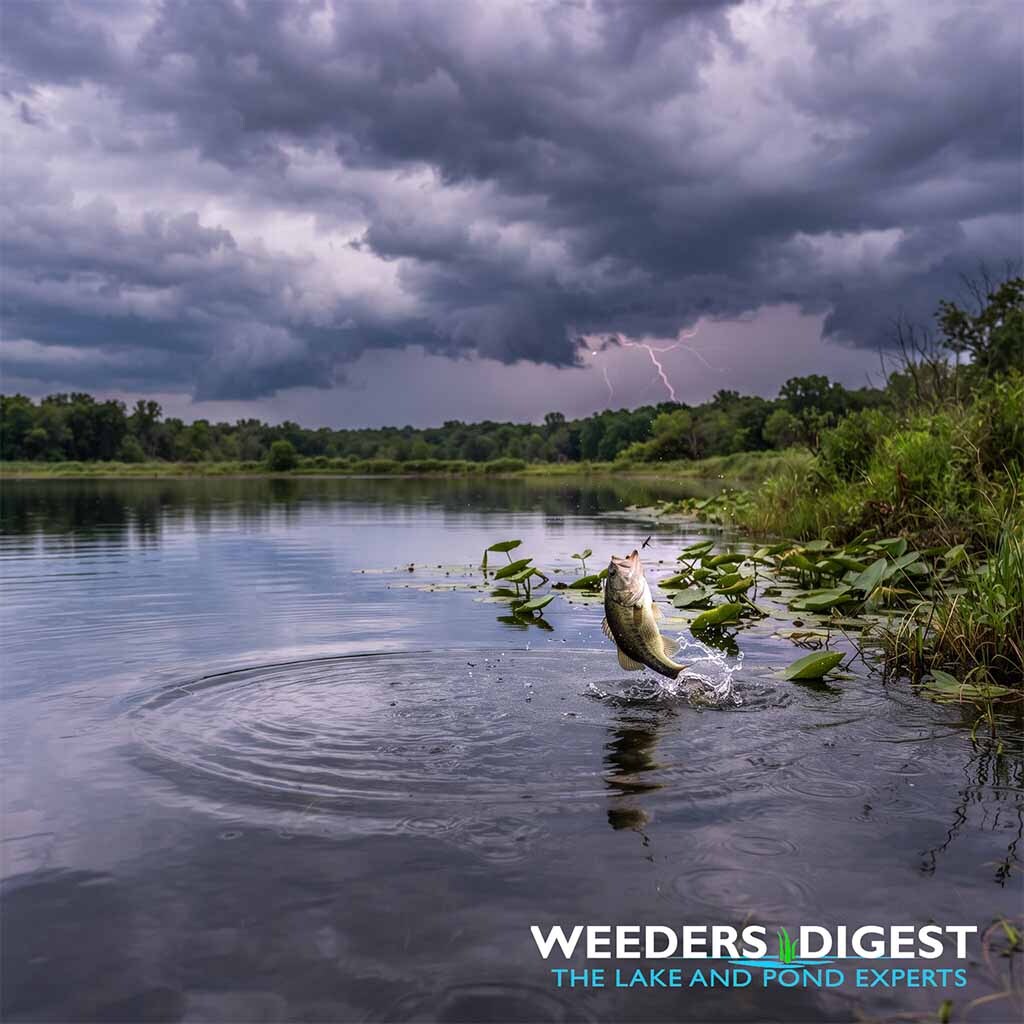
Fishing during a late summer thunderstorm often triggers a sudden surge in fish feeding activity due to drops in barometric pressure and increased oxygen availability in the water column. When warm, humid air collides with seasonal cold fronts, game fish such as largemouth bass and panfish frequently shift into an aggressive feeding mode right before and during the initial onset of the storm. Our team of lake experts regularly observes this behavioral shift, noting how surface action intensifies as terrestrial insects are blown onto the water and aquatic respiration rates spike. Understanding these meteorological and ecological triggers allows anglers to optimize their time on the water by capitalizing on transient feeding windows.
The Science Behind It:
The biological mechanics linking thunderstorms to increased fish activity are primarily driven by rapid barometric pressure fluctuations and wind-driven water mixing. As a convective storm approaches, atmospheric pressure drops significantly. Fish possess a specialized organ called the swim bladder, which is highly sensitive to hydrostatic pressure changes. When the barometric pressure falls, the gas inside the swim bladder expands slightly, creating physical discomfort that fish instinctively relieve by moving to shallower, oxygen-rich littoral zones to feed aggressively. This physiological response is further amplified during late summer when water temperatures peak and dissolved oxygen levels in deeper waters naturally decline.
Wind patterns associated with late summer thunderstorms play a critical catalytic role in aquatic food webs. High-velocity gusts blowing across a pond or lake generate surface turbulence and push warm, nutrient-dense surface waters toward windward shores, a process known as wind-driven upwelling and downwelling dynamics. Research published in the Journal of Freshwater Ecology indicates that wind events exceeding 15 miles per hour can increase near-shore primary productivity and zooplankton concentration by up to 35 percent within a matter of hours. This localized accumulation of prey species attracts forage fish, which in turn draws larger predatory game fish into accessible shallows.
Furthermore, the meteorological upheaval washes terrestrial insects—such as beetles, grasshoppers, and ants—off shoreline vegetation and directly onto the water surface. According to a study on aquatic-terrestrial trophic linkages published in Freshwater Biology, terrestrial invertebrate inputs can account for more than 40 percent of the daily caloric intake for littoral fish populations during severe meteorological disturbances in the late summer months. Fish quickly adapt to this windfall, exploiting the high-protein food source before water chemistry stabilizes.
While the ecological drivers create exceptional angling opportunities, safety must remain the absolute priority for anyone on the water. Lightning presents an extreme hazard, as graphite fishing rods act as conductive antennas in open environments. Our lake experts strongly advise monitoring radar closely, avoiding open water entirely during active cloud-to-ground lightning strikes, and focusing efforts strictly on the pre-front window or immediate post-storm settling period when the biological benefits remain high without the severe meteorological risks.
Sources / References:
- Journal of Freshwater Ecology -
Wind-Driven Nutrient Dynamics and Littoral Productivity in Temperate Lakes - Freshwater Biology -
Terrestrial Invertebrate Subsidies and Predatory Fish Foraging Behavior During Meteorological Events