

Why Our Lakes and Ponds Shift: Understanding August Aquatic Plant Die-Offs and Fall Resilience
 |

Summary:
Aquatic plant die-offs in late August are primarily triggered by seasonal thermal stratification, declining dissolved oxygen levels, and plant senescence as photoperiods shorten. When summer-peak biological oxygen demand peaks, fragile submersed species collapse, whereas hardy species with specialized storage structures or high nutrient tolerances continue thriving into autumn. Our team of lake and pond experts regularly observes this mid-to-late summer transition when walking shorelines choked by decomposing vegetation on one side while robust winter-hardy weeds remain lush just feet away. Navigating these natural ecological shifts helps property owners distinguish between normal seasonal succession and sudden, catastrophic pond crashes.
The Science Behind It
The transition from late summer to fall represents a period of extreme physiological stress for aquatic macrophyte communities. As water temperatures peak in July and August, microbial respiration rates soar, accelerating the decomposition of organic matter in the benthic zone. According to research published in the Journal of Ecology, prolonged high water temperatures coupled with intense sediment oxygen demand can deplete bottom-water dissolved oxygen by up to 70% in eutrophic systems, directly suffocating the root systems of sensitive submerged plants. This severe hypoxic stress forces many annual and fragile perennial species into early senescence.
Compounding this oxygen deficit is the phenomenon of thermal destratification and seasonal turnover. As ambient air temperatures cool in late August and early September, the epilimnion (upper water layer) cools and dense surface water sinks, mixing anoxic bottom water throughout the entire water column. A study by the North American Lake Management Society highlighted that sudden wind-driven mixing events during this transition can drop dissolved oxygen concentrations below critical thresholds of 2.0 mg/L system-wide, causing massive die-offs of submersed vegetation like Hydrilla verticillata and Myriophyllum spicatum. The rapid microbial decay of these dying plants further consumes available oxygen, sometimes initiating secondary fish stress.
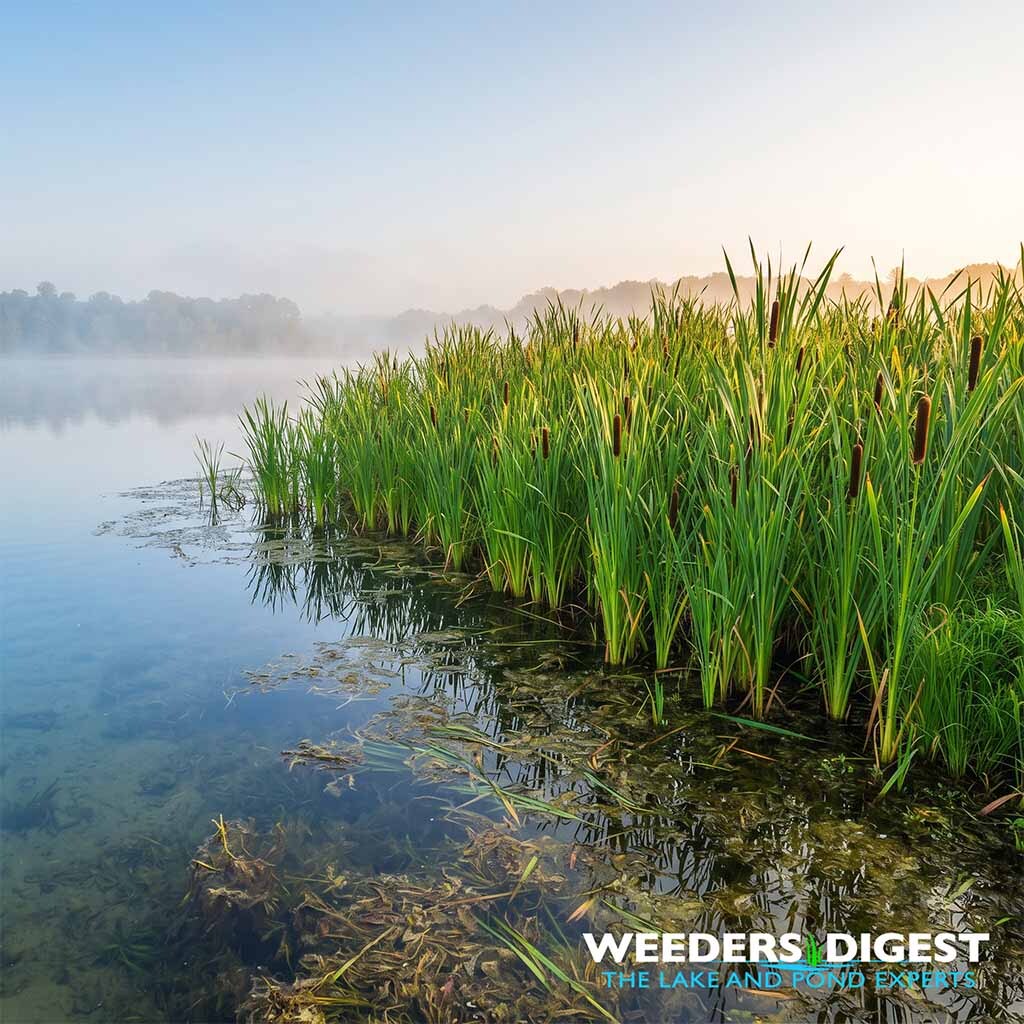
In stark contrast, certain aquatic plants thrive or maintain structural integrity well into the autumn months due to specialized morphological and physiological adaptations. Emergent species such as cattails (Typha latifolia) and bulrushes shift their metabolic energy reserves downward into rhizomes and corms, protecting living tissues from chilling injury. Furthermore, cold-tolerant submersed species like curly-leaf pondweed (Potamogeton crispus) or certain winter turion-forming perennials have evolved life cycles synchronized with cooler water temperatures. These resilient plants capitalize on the newly available nutrients released by decomposing summer vegetation and reduced competition for sunlight as the canopy thins.
Understanding these divergent life history strategies requires examining aquatic plant ecophysiology at a cellular level. During late summer, senescing plants experience a breakdown in chlorophyll integrity and a sharp decline in photosynthetic efficiency as day lengths shorten below critical photoperiod thresholds. Research documented in Aquatic Botany demonstrates that plants with high carbohydrate storage capacities in underground root systems successfully evade the metabolic exhaustion that kills off annual aquatic weeds in August. By shifting resources away from vegetative growth toward over-wintering propagules, these resilient taxa maintain population viability through the autumn freeze.
Sources / References:
- Journal of Ecology - Benthic oxygen depletion and macrophyte senescence dynamics during thermal stratification
- Lake and Reservoir Management (North American Lake Management Society) - Seasonal water column turnover and dissolved oxygen thresholds in eutrophic water bodies
- Aquatic Botany - Carbohydrate storage, rhizome energy allocation, and photoperiod triggers in aquatic macrophytes