

Why Your Clear Water Suddenly Turned Into Pea Soup This September
 |

Summary:
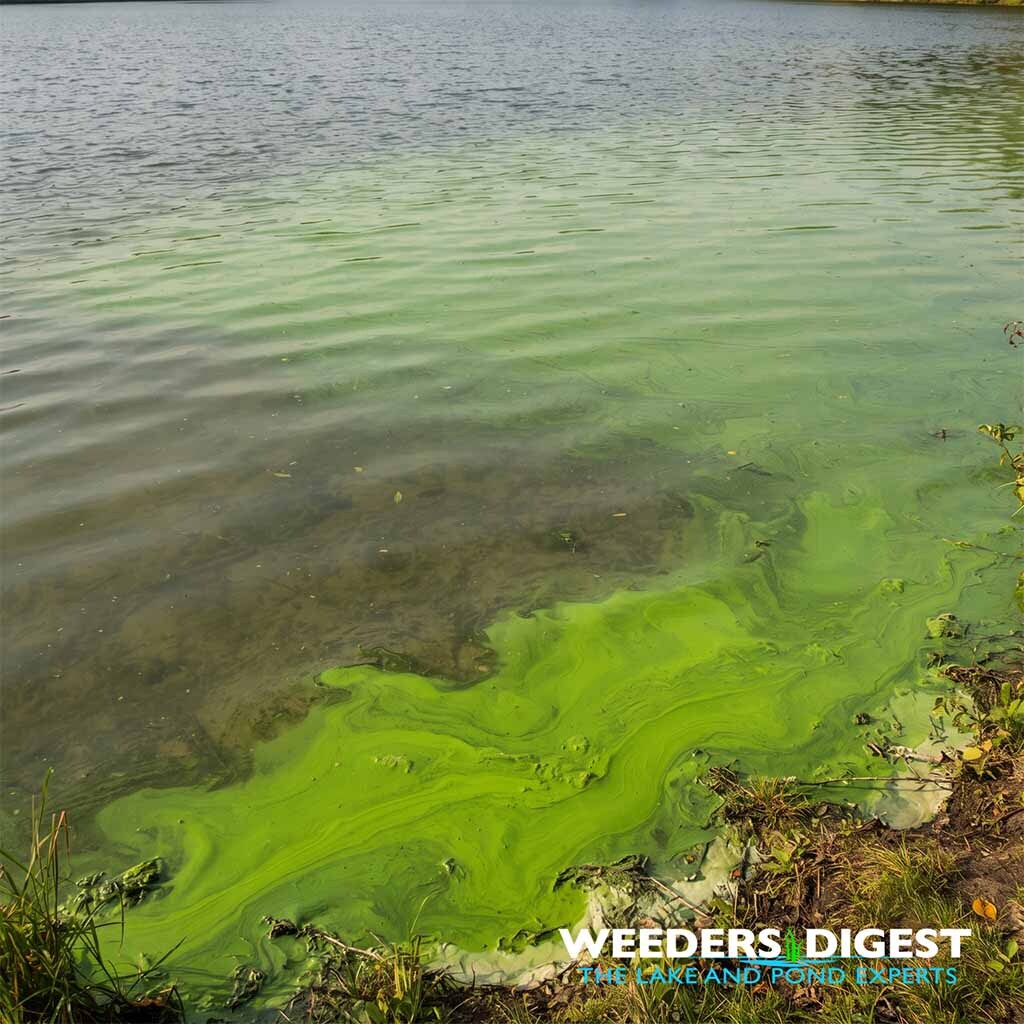
Your water has likely turned into "pea soup" due to a rapid proliferation of cyanobacteria, commonly known as blue-green algae, triggered by the unique convergence of late-summer heat and the chemical recycling of nutrients trapped in your pond's sediment. When the surface water remains warm and calm, the microscopic algae thrive, and the "pea soup" appearance is actually a visible accumulation of these colonies floating at the surface, which they do to monopolize sunlight and outcompete other aquatic plant life.
In my years managing water bodies, I often walk up to a shoreline in early autumn that was perfectly clear just two weeks prior, only to find the water column suddenly opaque and painted with that distinct, vibrant green sheen. This sudden transformation is rarely a sign of a new external pollution source; rather, it is usually the result of the lake’s own internal "recycling" system finally catching up with it after months of summer heat. The phenomenon is nature’s way of signaling that the biological conditions in the water have hit a critical tipping point, turning a stable ecosystem into a temporary greenhouse for these specific organisms.
The Science Behind It:
The transition to a "pea soup" state is driven by a process known as internal phosphorus loading, which becomes most acute in late summer. As the water column stratifies—where warm, less dense water sits on top of cooler, dense water at the bottom—the bottom layer, or hypolimnion, becomes isolated from the atmosphere. Over the course of the summer, the decomposition of organic matter at the bottom consumes the available dissolved oxygen. When the water at the sediment-water interface becomes anoxic (depleted of oxygen), the chemical bond between phosphorus and iron in the sediment breaks. This releases massive amounts of legacy phosphorus back into the water column. In many lake systems, this internal phosphorus loading can account for as much as 68% of the total phosphorus load during the summer months, providing the exact "fertilizer" required for a rapid algal bloom.
Temperature serves as the second primary catalyst for this shift. Cyanobacteria are evolutionarily optimized for high-temperature environments. While other beneficial phytoplankton and diatoms thrive in cooler conditions, cyanobacteria demonstrate a distinct metabolic advantage once water temperatures climb above 20°C, and they become aggressively competitive at temperatures exceeding 25°C. In late summer, when the water has absorbed months of solar radiation, the metabolic rate of these organisms accelerates, allowing them to reproduce at a rate that far outpaces the natural consumption by zooplankton.
The physical structure of the water column further aids this growth. Cyanobacteria possess specialized gas vacuoles that allow them to regulate their buoyancy, moving vertically through the water column to access nutrients at depth and sunlight at the surface. By shading out beneficial submerged macrophytes (rooted plants) and other algae, they effectively create a monoculture. In some documented instances, sediment phosphorus release rates can surge to as high as 150 mg/m²/day during disturbances or resuspension events, providing a constant, self-sustaining nutrient feed that keeps the bloom active even if external runoff is minimal.
Ultimately, the "pea soup" appearance is the result of these colonies consolidating at the surface to maximize light harvesting, facilitated by the low-mixing conditions of late summer. The biological shift is so pronounced because the nutrient-rich bottom waters are often mixed into the surface layer by late-season weather patterns or thermal shifts, creating a sudden explosion of biomass that is highly visible to the observer. Understanding this cycle helps clarify why these blooms often appear with little warning, despite the lake’s appearance earlier in the season.