

Why Your Lakefront Is Suddenly Swarming With Dragonflies This Month
 |

Summary:
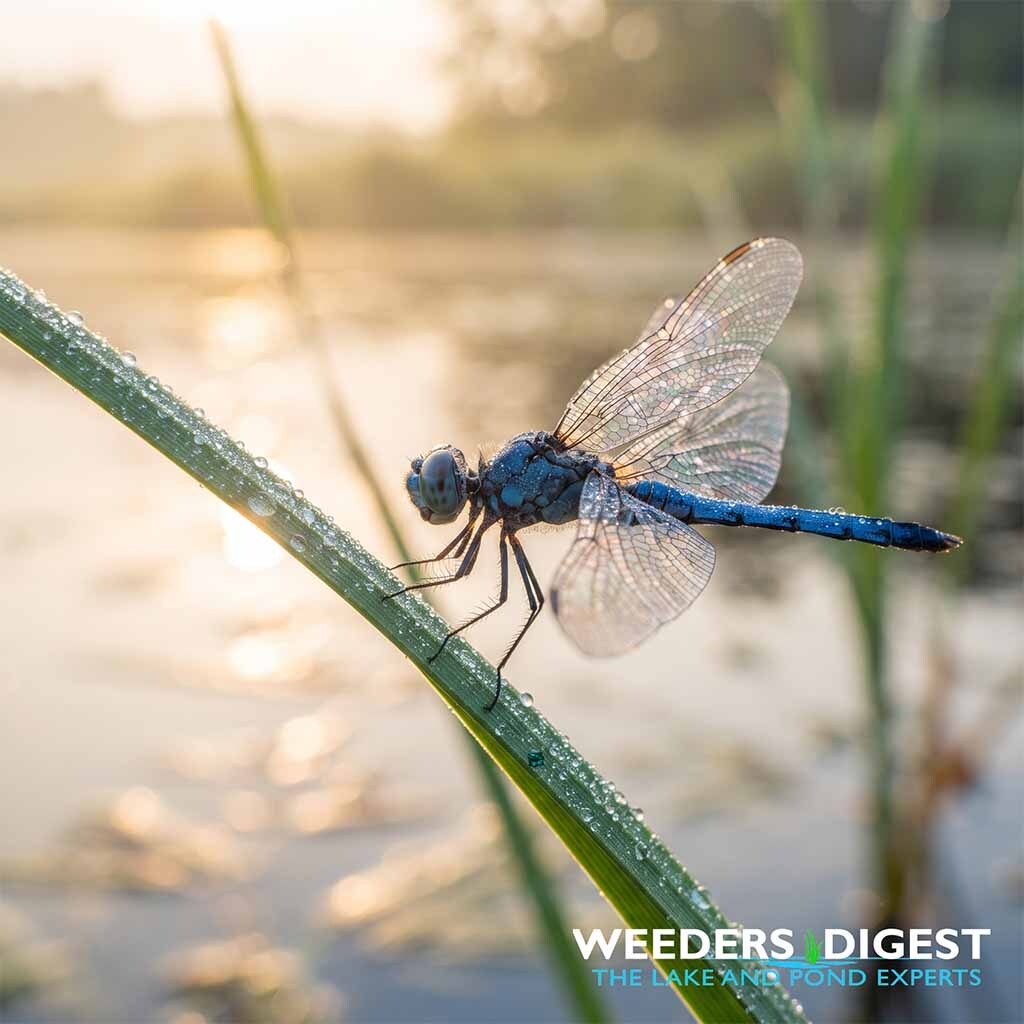
The sudden surge of dragonflies around your lakefront this month is primarily driven by synchronized seasonal emergence, triggered by rising water temperatures and an abundance of prey. We often observe that as spring transitions into summer, millions of aquatic nymphs simultaneously complete their final larval molt, bursting from the water as newly winged adults. This mass emergence creates a temporary, highly visible cloud of predators hunting small flying insects along the shoreline. When walking the shoreline during routine assessments, pond experts frequently note these massive feeding swarms actively cruising through riparian vegetation to capitalize on peak midge and mosquito hatches.
The Science Behind It:
The explosive appearance of adult dragonflies (order Odonata) is tightly coupled with thermal dynamics in freshwater ecosystems. Dragonflies spend the vast majority of their life cycle—ranging from one to several years depending on the species—submerged as aquatic nymphs. During this prolonged benthic stage, their metabolic rates and growth velocities are strictly dictated by water temperature. Research examining aquatic insect phenology indicates that when littoral water temperatures cross specific thermal thresholds, endocrine cues stimulate synchronized metamorphosis, causing concentrated pulses of adult emergence rather than a staggered trickle.
This physiological process is further compounded by cross-ecosystem trophic dynamics. As aquatic environments warm, secondary productivity surges, yielding dense populations of zooplankton and smaller aquatic invertebrates that fuel the rapid growth of late-stage dragonfly naiads. Studies on odonate emergence models demonstrate that shifts in spring water warmth can advance or concentrate adult emergence windows, with temperature increases accelerating developmental milestones and driving high-density synchronous flights. Once these insects shed their larval exuviae at the water's edge, they enter a brief teneral stage before initiating aggressive feeding flights.
The sudden swarms hovering over lawns and lake surfaces are rarely random; rather, they represent aggregation for high-efficiency foraging. Adult dragonflies are obligate aerial predators requiring optimal ambient temperatures—typically above 17°C to 18°C—to sustain active flight mechanics. When localized weather patterns produce a simultaneous hatch of midges, gnats, or mosquitoes, resident and migrating dragonflies converge on these localized resource hotspots. This behavior underscores their vital role as top-tier biological regulators within the aquatic-terrestrial ecotone.
Sources / References:
- University of Sydney, Where did all these dragonflies come from? https://www.sydney.e...-dragonflies-come-from-.html
- National Biodiversity Data Centre, Dragonfly & Damselfly Biology https://biodiversityireland.ie/dragonfly-damselfly-biology/
- Penn State Extension, Dragons and Damsels Around Your Pond and Water Garden https://extension.psu.edu/dragons-and-damsels-around-your-pond-and-water-garden