

Why Your Pond Suffers More During Late Summer Heatwaves
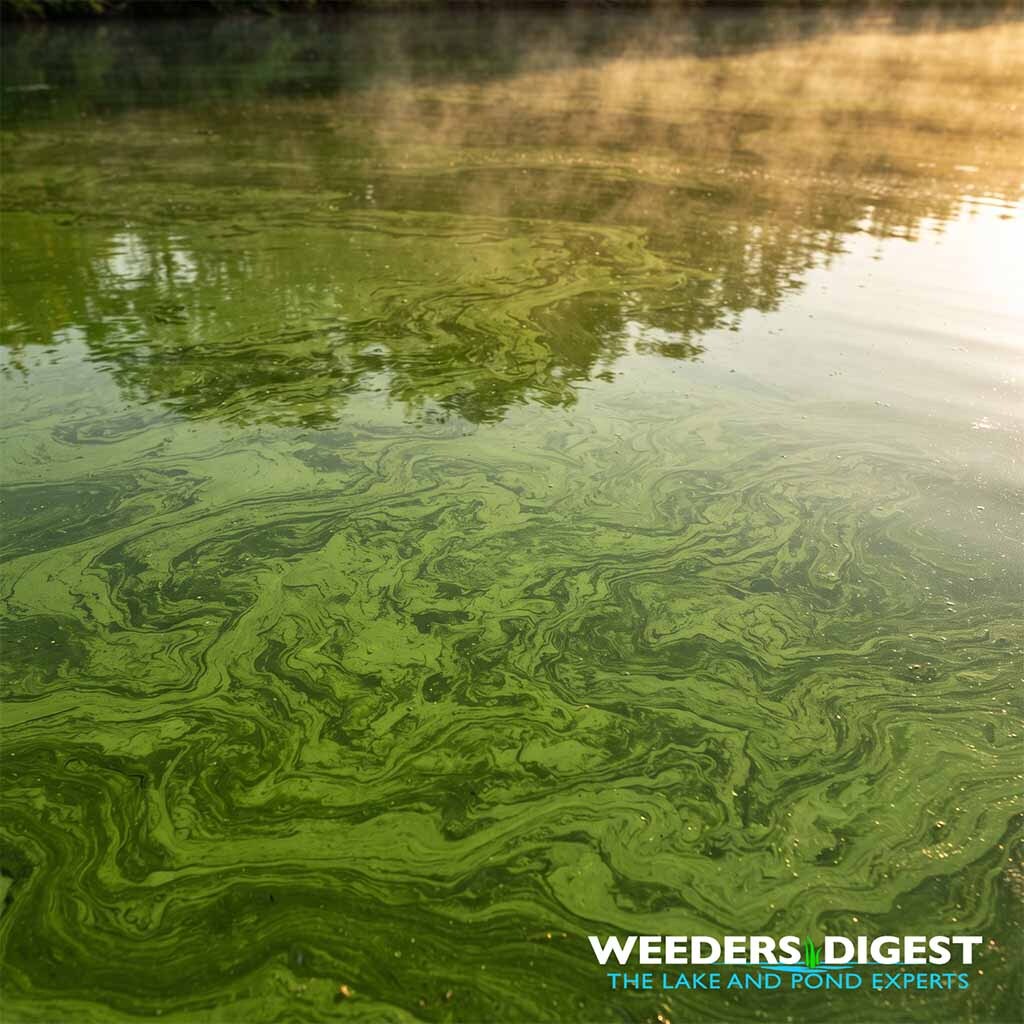 |

Summary:
Late summer heatwaves act as the perfect "pressure cooker" for your pond, triggering massive algae blooms because warmer water temperatures directly accelerate the growth rates of harmful cyanobacteria while simultaneously locking nutrients at the surface. When the sun beats down during a heatwave, the surface of your water heats up rapidly and becomes less dense than the deeper, cooler water. This creates a physical "lid" on your pond known as thermal stratification, which prevents the water from mixing and traps nutrients in the upper, sunlit layers where algae thrive.
In my time out in the field as a technician, I often see this dynamic play out during those stagnant, 90-degree weeks in August. While a homeowner might look at the surface and just see green scum, I am looking at a pond that has essentially stopped "breathing." Because the surface layer is disconnected from the cooler, deeper water, the algae at the top have a private, endless supply of nutrients and sunlight, while the rest of the ecosystem beneath them starts to suffocate from a lack of oxygen.
The Science Behind It:
The acceleration of algal proliferation during heatwaves is driven by a combination of direct metabolic stimulation and complex hydrodynamic shifts. Cyanobacteria, often the primary culprits in harmful algal blooms (HABs), possess a distinct competitive advantage in warmer waters. Research indicates that these organisms require temperatures above 20°C to achieve growth rates competitive with other phytoplankton, and they become significantly more dominant than diatoms once water temperatures exceed 25°C. This temperature threshold is frequently breached during late summer heatwaves, allowing cyanobacteria to outpace beneficial algae species that prefer cooler, more turbulent environments.
The phenomenon of thermal stratification acts as the primary physical driver of these blooms. As surface waters warm, they become less dense, creating a distinct density gradient—the thermocline—that resists wind-driven mixing. This physical separation prevents the oxygenation of deeper layers and keeps nutrients concentrated in the photic zone (the upper layer where sunlight penetrates). Consequently, the algae remain perpetually suspended in a nutrient-rich environment. Because cyanobacteria are buoyant, they can adjust their vertical position within this stable water column, effectively "hovering" near the surface to maximize photosynthesis while shading out other aquatic plants that cannot migrate vertically.
Furthermore, higher temperatures physically reduce the viscosity of water, which facilitates the rapid vertical migration of these cyanobacteria, allowing them to form dense surface mats much more efficiently than in cooler conditions. These surface mats create a positive feedback loop: the algae absorb solar radiation, which further elevates the temperature of the surface water, thereby fueling even faster growth. This process is further exacerbated by the fact that high water temperatures shift nutrient biogeochemical cycling, increasing the solubility and availability of limiting nutrients like phosphorus that would otherwise remain sequestered in the sediment.
The ecological consequences of these heat-driven blooms are profound. As the massive biomass of the bloom eventually dies and undergoes microbial decomposition, the process consumes vast quantities of dissolved oxygen, leading to hypoxic or anoxic conditions. This oxygen depletion, combined with the potential for toxin release from cyanobacteria, can lead to severe stress or mortality among fish and other non-target aquatic organisms.