

My Guide to Understanding Why Your Glacial Lake is Unlike Any Other
Summary:
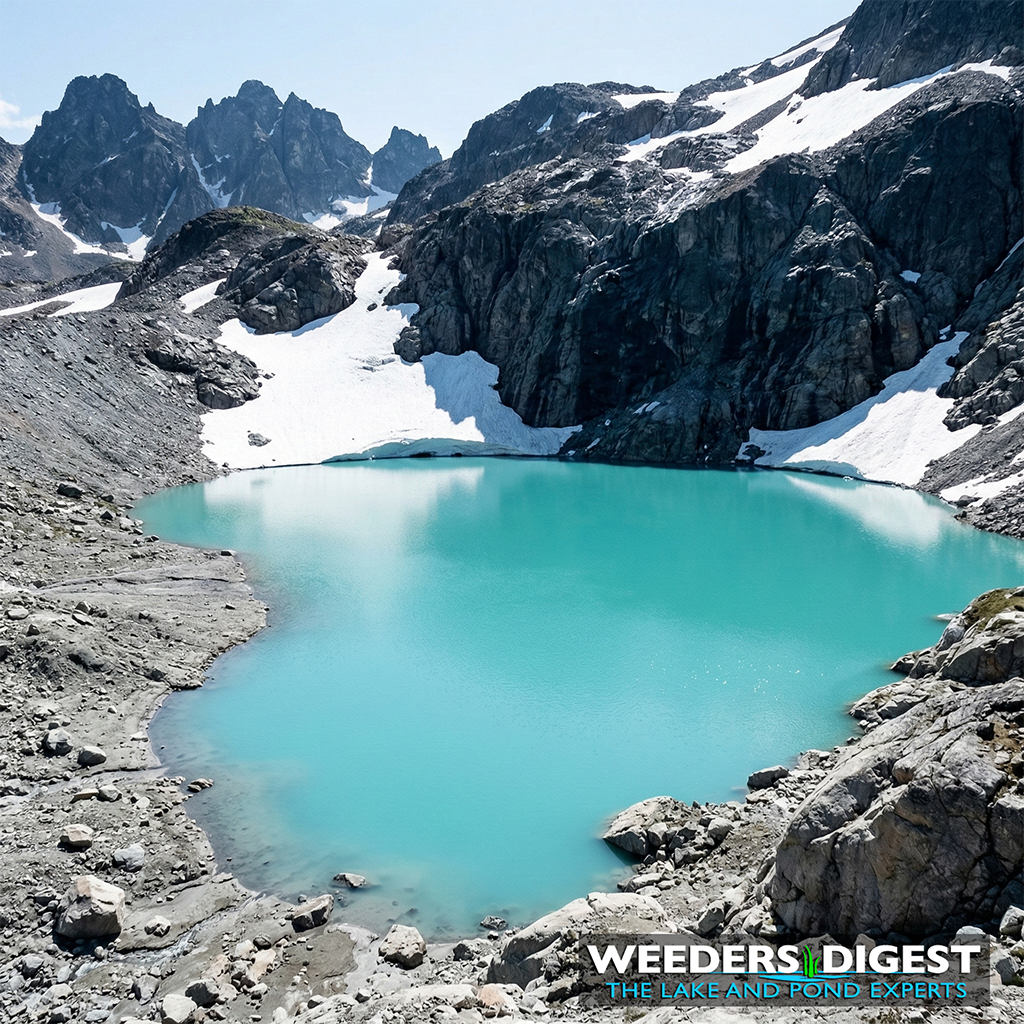
When you stand on the shore of a glacial lake, you are looking at a magnificent remnant of the Ice Age. These lakes are fundamentally different from other water bodies because of their violent and icy origins. While many lakes are formed by rivers changing course or humans building dams, glacial lakes were carved directly into the earth by massive sheets of ice moving across the landscape thousands of years ago. This unique beginning influences everything you see today, from the incredible clarity of the water to the steep, rocky drop-offs along the shoreline.
One of the first things you might notice is the striking color. Many glacial lakes possess a brilliant turquoise or deep blue hue that looks almost artificial. This happens because the heavy glaciers acted like giant sandpaper, grinding rocks into a fine powder known as "glacial flour." When this silt remains suspended in the water, it reflects sunlight in a way that creates those vivid colors. Additionally, because these lakes are often located in rocky, high-altitude or northern regions, they tend to be much colder and have fewer nutrients than a typical farm pond or reservoir, leading to a very specific and delicate ecosystem.
Living on or visiting a glacial lake feels different because the water is often exceptionally clear and crisp. Because they were formed by scouring out the bedrock, these lakes frequently have very little soil at the bottom compared to "younger" lakes. This lack of organic sediment means there is less "muck," but it also means the water can be quite sensitive to changes in the environment. Understanding these differences helps us appreciate why these ancient bodies of water require special care to maintain their pristine beauty.
The Science Behind It:
Glacial lakes are distinct geomorphological features primarily characterized by their formation during the Pleistocene epoch. The primary mechanism of creation involves the movement of continental ice sheets and alpine glaciers, which utilized processes of abrasion and plucking to excavate depressions in the terrestrial crust. According to research published by the University of Minnesota Duluth, these basins were often formed as "kettle lakes" when detached blocks of stagnant ice were buried by glacial outwash; as the ice melted, it left behind steep-sided, deep depressions that eventually filled with groundwater and precipitation.
The physical limnology of glacial lakes is significantly impacted by the presence of "glacial flour" or rock flour. This material consists of fine-grained, silt-sized particles of rock, generated through mechanical grinding of bedrock by glacial action. When these particles are suspended in the water column, they preferentially scatter the shorter wavelengths of the visible light spectrum, specifically blues and greens. A study on glacial hydrology from the University of Colorado Boulder indicates that the concentration and settling rates of this minerogenic material dictate the lake's optical properties, often resulting in high turbidity but unique spectral reflections compared to the organic-rich tannins found in lowland drainage lakes.
Chemical profiles in glacial lakes typically exhibit "oligotrophic" characteristics, meaning they are low in primary productivity and nutrient concentrations. Because the surrounding watersheds are often comprised of resistant igneous or metamorphic bedrock with minimal soil development, there is a low flux of phosphorus and nitrogen into the system. This lack of nutrients limits the growth of phytoplankton and macroscopic aquatic plants. Research in the journal Lakes & Reservoirs suggests that this nutrient limitation, combined with low mean annual water temperatures, results in high dissolved oxygen levels throughout the water column, supporting cold-water stenotherms such as lake trout and certain coregonid species.
Furthermore, the thermal stratification patterns in glacial lakes are often more pronounced due to their significant depths and clear water. Deep glacial basins can maintain a stable thermocline throughout the summer months, with a vast, cold hypolimnion that remains isolated from the warmer surface waters. This vertical structure is a critical differentiator from shallow, polymictic lakes that mix frequently. The longevity of these lakes is also a subject of scientific interest, as their primary aging process, known as eutrophication, occurs much more slowly in these deep, rocky basins than in shallower basins formed by fluvial or tectonic processes.
Sources / References:
- https://www.pca.state.mn.us/air-water-land-climate/how-minnesotas-lakes-were-formed
- https://instaar.colorado.edu/research/topics/hydrology-water-resources/