

Our Personal Take: Are Crayfish Secret Guardians or Destructive Pests in Your Lake?
 |
Summary:
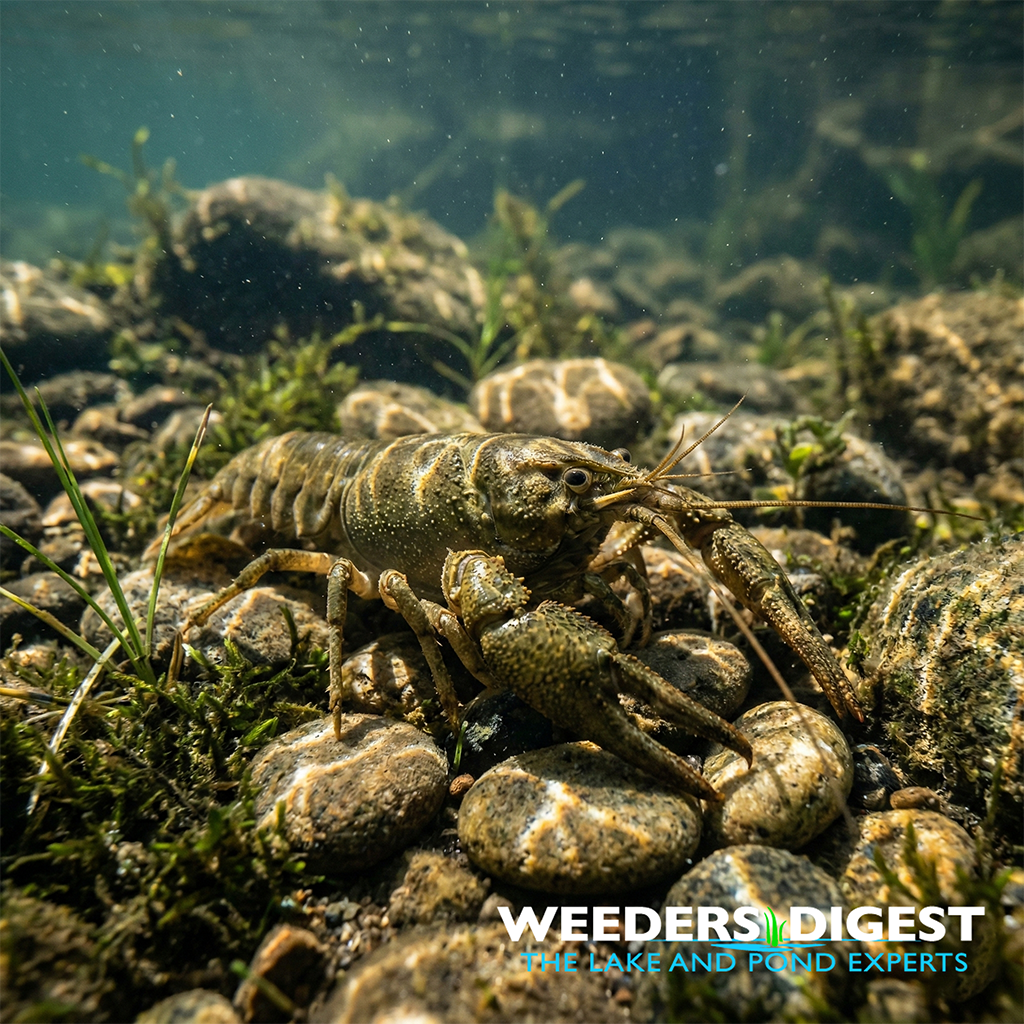
When you spot a crayfish scurrying along the bottom of your shoreline, it is natural to wonder if these "miniature lobsters" are helping or hurting your water quality. From our perspective as a lake manager, the answer isn't a simple yes or no; it depends entirely on the species and the balance of your local ecosystem. In a healthy, balanced lake, native crayfish are often the unsung heroes of the benthic zone. They act as the lake's cleanup crew, scavenging decaying organic matter and keeping the bottom from becoming choked with debris.
However, the narrative changes quickly if you are dealing with invasive species. In my experience, certain aggressive crayfish can reproduce so rapidly that they strip the lake bed of all vegetation, leaving fish with nowhere to hide or spawn. They are essentially the "ecosystem engineers" of the pond world, and while they provide a high-protein snack for your bass and perch, too many of them can lead to a collapse in biodiversity.
If you have a healthy population of native crayfish, you should generally view them as a sign of good water quality. They are sensitive to pollutants and high levels of acidity, so their presence often indicates a thriving environment. On the other hand, if your shoreline looks like a moonscape and the water is constantly turbid, those little crustaceans might be overstaying their welcome and disrupting the natural order of your private oasis.
Ultimately, managing a lake is about harmony. Native crayfish contribute to a robust food web, supporting larger game fish and recycling nutrients. But like anything in nature, an imbalance—especially one fueled by non-native "rusty" invaders—can turn these fascinating creatures from helpful scavengers into a significant management challenge for any property owner.
The Science Behind It:
Crayfish (Decapoda: Astacoidea) function as pivotal polytrophic organisms within freshwater ecosystems, occupying a unique niche as both primary consumers and detritivores. According to research published in Freshwater Science, these crustaceans facilitate nutrient cycling by breaking down allochthonous organic matter—such as fallen leaves and woody debris—into finer particles that are then accessible to microbial communities and smaller macroinvertebrates. This process, known as shredding, is critical for the energy flow from the littoral zone to the deeper reaches of the lacustrine environment.
The ecological impact of crayfish is largely determined by their influence on macrophytes and the physical structure of the substrate. A study by Lodge et al. (1994) highlights that while native species maintain moderate grazing pressure, invasive species like the Rusty Crayfish (Faxonius rusticus) exhibit significantly higher metabolic rates and aggressive feeding behaviors. This often results in the total extirpation of submersed aquatic vegetation (SAV). The loss of SAV leads to a cascade of negative effects, including the loss of recruitment habitat for lithophilic spawning fish and an increase in total suspended solids as sediment is no longer anchored by root systems.
Furthermore, crayfish serve as a vital trophic link between primary production and higher-order predators. They are a primary forage base for many centrarchid species, such as Smallmouth Bass (Micropterus dolomieu). The calcium-rich exoskeleton and high lipid content of crayfish provide essential nutrients for predatory fish growth. However, the presence of burrowing crayfish species can introduce geotechnical concerns for lake owners. Species that utilize "chimney" burrows can compromise the structural integrity of earthen dams and shorelines, leading to increased erosion and potential bank failure through a process known as internal piping.
From a bioindicator perspective, the sensitivity of many crayfish species to dissolved oxygen levels and heavy metal concentrations makes them excellent subjects for environmental monitoring. The presence of a diverse age structure within a crayfish population typically correlates with high benthic oxygenation and low anthropogenic disturbance. Conversely, the dominance of a single invasive species often indicates an ecosystem under stress, where the lack of natural predators and high reproductive plasticity allow the invasive population to reach densities that exceed the carrying capacity of the lake.
Sources / References:
- Lodge, D. M., et al. (1994). "Effects of an omnivorous crayfish (Orconectes rusticus) on a freshwater littoral food web." Ecology.
- University of Minnesota Extension: "Invasive Crayfish." https://extension.umn.edu/identify-invasive-species/rusty-crayfish