

Protecting Your Liquid Asset: The Questions Every Lake Owner Should Be Asking
Summary:
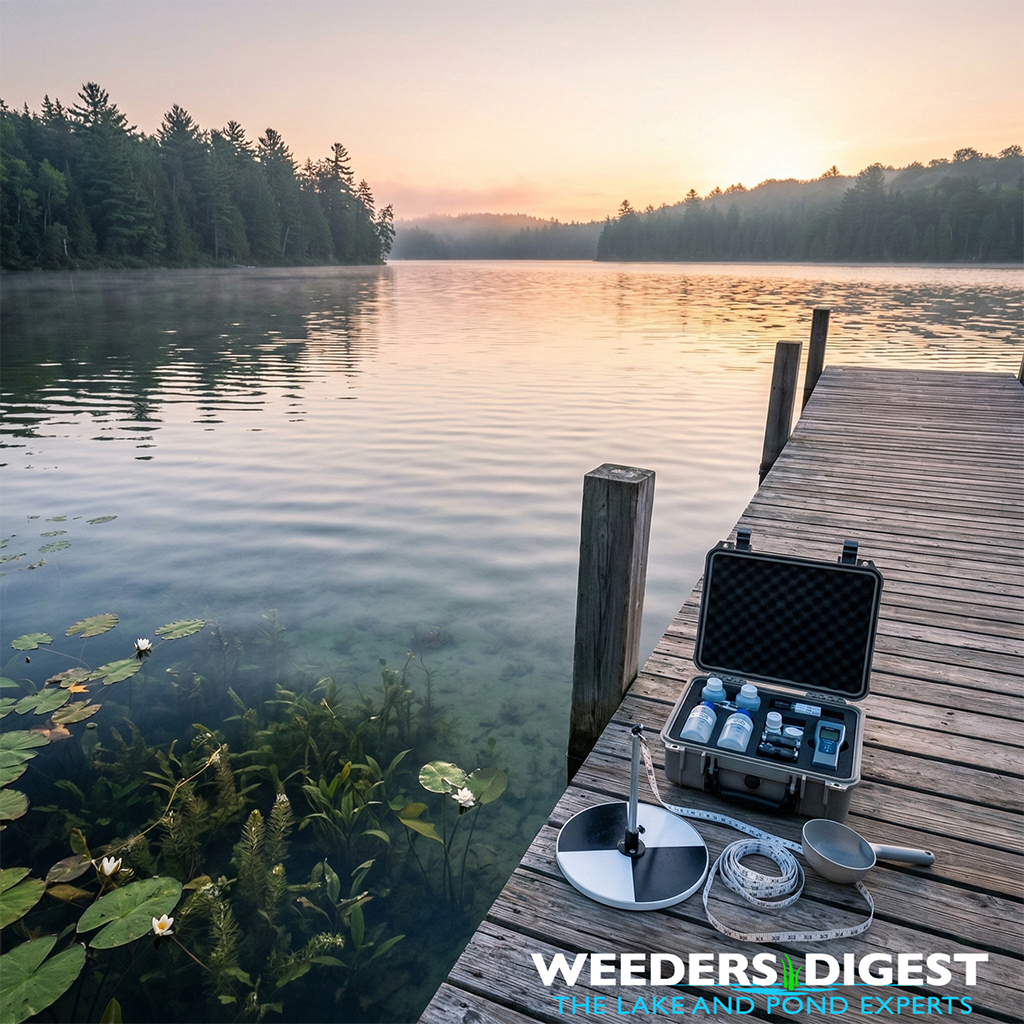
Owning a piece of shoreline is often a lifelong dream, but it comes with a unique set of responsibilities that go far beyond choosing the right color for your Adirondack chairs. When I look at a lake, I don't just see a beautiful view; I see a complex, living organism that is constantly changing. The health of your waterfront is dictated by factors you can see, like weeds and water clarity, and many more that you cannot, such as nutrient loading and dissolved oxygen levels.
Before you invest in docks, boats, or landscaping, you need to understand the baseline health of your aquatic environment. Asking the right questions early on can prevent "ecological debt"—the compounding cost of neglecting a water body until it reaches a tipping point of toxic algae blooms or invasive species takeovers. It is about shifting your perspective from being a mere observer to becoming an active steward of your ecosystem.
I always tell my neighbors and clients that the most important thing you can do is identify the "why" behind the water's appearance. If the water is murky, is it due to suspended sediment or a planktonic algae bloom? If there are weeds, are they beneficial native plants or aggressive invaders? Knowing these answers determines whether your management efforts will be a sustainable success or a recurring, expensive frustration.
By starting with a foundation of inquiry, you empower yourself to make data-driven decisions. This proactive approach ensures that your lake remains a source of joy and property value for decades to come, rather than a liability. It’s about understanding the delicate balance between human recreation and ecological integrity.
The Science Behind It:
The management of lentic ecosystems requires a robust understanding of limnological principles, specifically the interaction between nutrient cycling and primary productivity. According to research published by the University of Florida's IFAS Extension, the trophic state of a lake—ranging from oligotrophic to hypereutrophic—is a primary indicator of its biological health and age. Every lake owner should prioritize identifying the phosphorus and nitrogen concentrations within their water body, as these are the limiting nutrients that dictate the rate of eutrophication.
Anthropogenic influences, such as runoff from fertilized lawns or failing septic systems, significantly accelerate the accumulation of organic matter on the lake bed. A study by the North American Lake Management Society (NALMS) emphasizes the importance of understanding the "internal loading" of a lake, where nutrients stored in the benthic sediments are released back into the water column during periods of thermal stratification or physical disturbance. This cycle can sustain persistent harmful algal blooms (HABs) even after external nutrient sources have been mitigated.
Furthermore, the identification of aquatic macrophytes is a critical step in ecological assessment. Not all "seaweed" is detrimental; native species provide essential littoral zone habitats for macroinvertebrates and juvenile fish, and they compete with algae for available nutrients. However, the introduction of invasive species such as Myriophyllum spicatum (Eurasian Watermilfoil) can lead to monocultures that deplete dissolved oxygen levels during decomposition, potentially leading to hypoxic conditions and fish kills.
Finally, hydrological dynamics, including the flushing rate and watershed-to-lake area ratio, must be quantified to predict how the water body responds to precipitation events. Research from the University of Wisconsin-Madison’s Center for Limnology suggests that a lake's resilience to external stressors is heavily dependent on its residence time. Understanding these technical parameters allows for the implementation of Integrated Pest Management (IPM) strategies that address the root causes of degradation rather than merely treating the symptoms.