

The Ice is Thinning: Why My Local Lake is Changing So Fast
Summary:
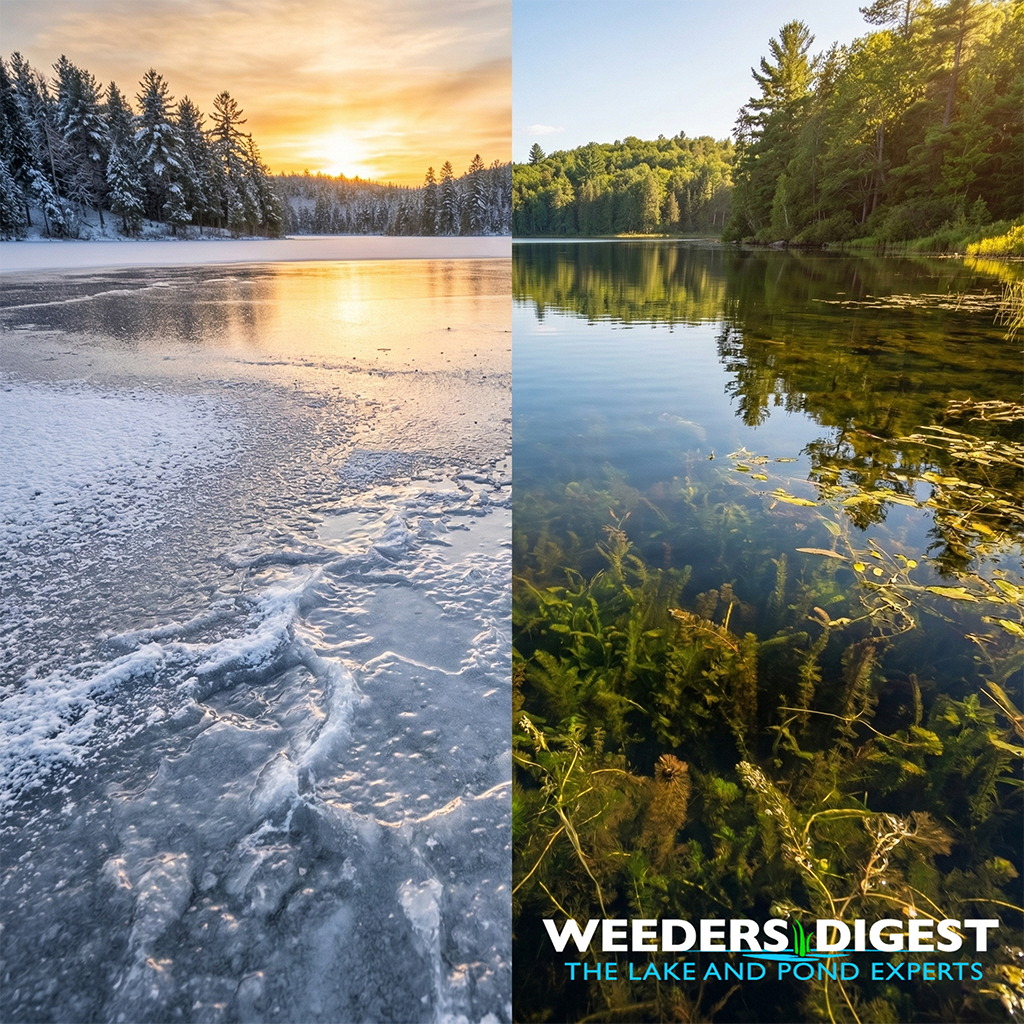
As someone who has spent years studying the delicate pulse of our freshwater ecosystems, I’ve noticed that the "shorter winter" isn't just about fewer days for ice fishing or skating. When our lakes lose their ice cover earlier in the spring or freeze later in the fall, it triggers a massive chain reaction that lasts all year long. You might notice the water getting warmer much faster in June, or perhaps you've seen more frequent "green slime" or algae blooms during your summer swims.
These changes happen because the ice acts like a protective lid. When that lid is removed too early, the sun begins heating the water much sooner than it used to. This extra heat changes everything from how the water moves to how much oxygen is available for fish at the bottom of the lake. It essentially gives the summer season a "head start," but in the world of lake ecology, that’s not always a good thing.
Many homeowners are surprised to find that a shorter winter actually leads to a messier summer. With more sunlight hitting the water and warmer temperatures sticking around longer, aquatic weeds and algae have a much longer growing season. This can turn a clear, crisp lake into a murky one in a matter of years. Understanding these shifts is the first step in managing our water resources for the future.
The Science Behind It:
The reduction in ice phenology—the timing of ice freeze-up and breakup—directly alters the physical stratification of lacustrine environments. According to research published in Nature Communications, northern hemisphere lakes are experiencing a significant trend toward shorter ice duration, which shifts the onset of thermal stratification earlier in the year (Sharma et al., 2019). When ice melts prematurely, the water column begins to absorb solar radiation earlier, leading to higher epilimnetic temperatures and a more stable, prolonged period of summer stratification. This prevents the vertical mixing of water, effectively trapping cold, oxygen-rich water at the bottom and warm, nutrient-heavy water at the surface.
This extended stratification period has profound implications for dissolved oxygen levels in the hypolimnion. As the duration of the stratified period increases, the biological oxygen demand (BOD) at the lake bottom continues to deplete available oxygen without the opportunity for atmospheric re-aeration. This creates hypoxic or anoxic conditions, which can lead to internal phosphorus loading. Under anoxic conditions, phosphorus previously bound to bottom sediments is chemically released back into the water column. As noted in studies by the Journal of Geophysical Research: Biogeosciences, this internal loading provides a "nutrient buffet" for Cyanobacteria, fueling harmful algal blooms (HABs) during the late summer months.
The ecological "mismatch" is another critical concern for aquatic biologists. Shorter ice seasons disrupt the synchronization between different trophic levels. For example, the timing of the spring diatom bloom—a foundational food source for zooplankton—is often dictated by light availability following ice-off. If the ice melts too early, the peak of phytoplankton production may occur before the zooplankton (which may be more dependent on temperature cues) are ready to graze. This decoupling can lead to a collapse in the food web, eventually impacting the recruitment and growth rates of keystone fish species like Walleye or Yellow Perch.
Furthermore, the thermal profile of the lake shifts toward a regime that favors invasive and thermophilic species. Warm-water adapted species find the extended growing season advantageous, often outcompeting native cold-water species that require a specific "thermal reset" provided by a long, cold winter. The cumulative effect of these physical and chemical shifts is a fundamental transition in lake metabolism. Higher annual water temperatures increase the metabolic rates of microbes, potentially turning lakes from carbon sinks into carbon sources as they release more carbon dioxide and methane into the atmosphere.
Sources / References:
- Sharma, S., et al. (2019). Widespread loss of lake ice around the Northern Hemisphere. Nature Communications.
- Hampton, S. E., et al. (2017). Ecology under lake ice. Ecology Letters.