

Treating and controlling Duck Weed in your lake & pond
Understanding Duckweed: A Tiny Plant with Big Impact
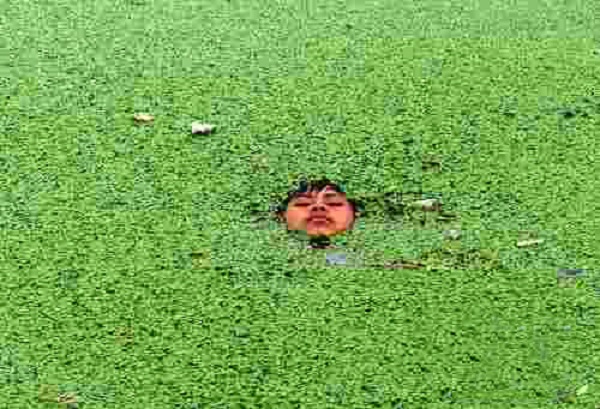
Duckweed, often mistaken for algae, is actually a small, free-floating aquatic plant. While a small amount of duckweed can be beneficial, providing food and shelter for some aquatic life, excessive growth can quickly become a nuisance. It forms a dense mat on the water's surface, blocking sunlight and hindering oxygen exchange. This can lead to a decline in water quality, harming fish and other aquatic organisms. Understanding the conditions that favor duckweed growth is the first step in effective control.
What Causes Duckweed Blooms?
Several factors contribute to duckweed overgrowth. Nutrient-rich water, particularly high levels of nitrogen and phosphorus, fuels rapid reproduction. These nutrients often come from agricultural runoff, fertilizers, and decaying organic matter. Stagnant water conditions also favor duckweed, as it thrives in calm environments. Warm water temperatures further accelerate its growth rate. Finally, a lack of natural predators, such as certain types of fish and waterfowl, can allow duckweed populations to explode.
Identifying Duckweed: What to Look For
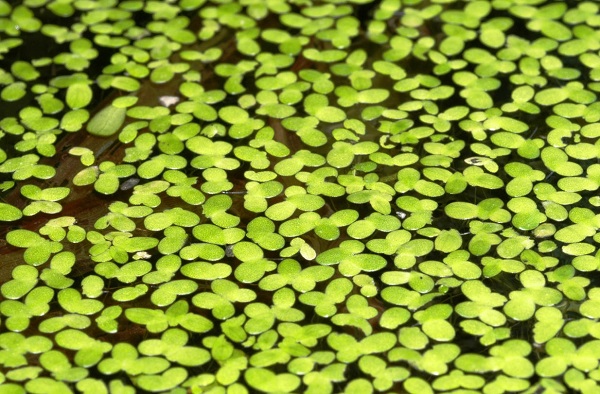
Duckweed is characterized by its small, green, leaf-like structures, called fronds, that float on the water's surface. Each frond is typically only a few millimeters in size, often resembling tiny green dots. It may have small roots that dangle in the water. Duckweed often forms dense mats that can cover entire ponds or sections of a lake. It's important to distinguish duckweed from other floating plants and algae, as the treatment methods may differ.
Common Duckweed Varieties
While there are several species of duckweed, they generally appear similar. Lemna minor is one of the most common species. Other varieties include Spirodela polyrhiza (giant duckweed), which has slightly larger fronds, and Wolffia (watermeal), which is even smaller and lacks roots. Regardless of the specific species, the control methods are generally the same.
Effective Duckweed Control Methods
Controlling duckweed requires a multi-faceted approach, combining preventative measures with targeted treatments. The best strategy depends on the size and severity of the infestation, as well as the specific characteristics of your lake or pond.
Physical Removal
For smaller infestations, physical removal can be an effective option. This involves manually skimming or raking the duckweed off the water's surface. A specialized pond skimmer or net can make this task easier. While physical removal provides immediate relief, it's important to dispose of the removed duckweed properly to prevent it from re-entering the water. Composting is a great option, as it turns the duckweed into a valuable soil amendment.
Biological Control
Introducing natural predators can help control duckweed populations. Grass carp, for example, are known to consume duckweed. However, it's important to check local regulations regarding the introduction of grass carp, as they can sometimes be considered an invasive species. Waterfowl, such as ducks and geese, also feed on duckweed, but their impact may be limited. Encouraging a diverse ecosystem can help maintain a natural balance and prevent duckweed from becoming dominant.
Aquatic Herbicides
Aquatic herbicides can be an effective option for controlling larger duckweed infestations. However, it's crucial to choose a herbicide that is specifically labeled for aquatic use and follow all label instructions carefully. Some herbicides are selective, targeting only duckweed, while others are broad-spectrum and may affect other aquatic plants. Consider the potential impact on non-target species and the overall health of the ecosystem before using herbicides. Always consult with a qualified professional to determine the best herbicide for your specific situation.
Nutrient Management
Reducing nutrient levels in the water is essential for long-term duckweed control. This can involve implementing best management practices for fertilizer application, preventing runoff from agricultural areas, and managing septic systems properly. Installing a buffer strip of vegetation along the shoreline can help filter out nutrients before they enter the water. Regular water testing can help monitor nutrient levels and identify potential sources of pollution.
Preventing Duckweed Growth: Proactive Measures
The best way to deal with duckweed is to prevent it from becoming a problem in the first place. By taking proactive measures, you can create an environment that is less favorable for duckweed growth.
Maintaining a Healthy Ecosystem
A healthy aquatic ecosystem is naturally more resistant to duckweed infestations. This involves promoting biodiversity, maintaining good water quality, and ensuring adequate oxygen levels. Aeration systems can help improve oxygen levels and prevent stagnation. Introducing beneficial bacteria can help break down organic matter and reduce nutrient levels.
Regular Water Testing
Regular water testing is crucial for monitoring water quality and identifying potential problems early on. Testing for nutrients, pH, and other parameters can help you understand the conditions in your lake or pond and take corrective action before duckweed becomes a major issue.
Shoreline Management
Proper shoreline management can help prevent nutrients from entering the water. This includes maintaining a buffer strip of vegetation along the shoreline, preventing erosion, and managing stormwater runoff. Avoid using fertilizers near the shoreline and clean up any spills immediately.
Weeders Digest: Your Partner in Lake and Pond Management
At Weeders Digest, we understand the challenges of managing lake and pond weeds. We offer a wide range of products and solutions to help you control duckweed and other aquatic weeds, improve water quality, and maintain a healthy ecosystem. Our knowledgeable team is available 7 days a week to answer your questions and provide expert advice. Contact us today to learn more about our products and services and how we can help you achieve your lake and pond management goals.
- Expert Advice: Our team is here to help you choose the right products and develop a customized treatment plan.
- Wide Selection: We offer a comprehensive range of aquatic herbicides, biological controls, and physical removal tools.
- Quality Products: We only carry the highest quality products from trusted brands.
- Fast Shipping: We offer fast and reliable shipping to get you the products you need quickly.
- Customer Satisfaction: We are committed to providing excellent customer service and ensuring your satisfaction.