

Why My Local Lake Isn’t the Same: How Our Waters Have Changed Over Two Decades
Summary:
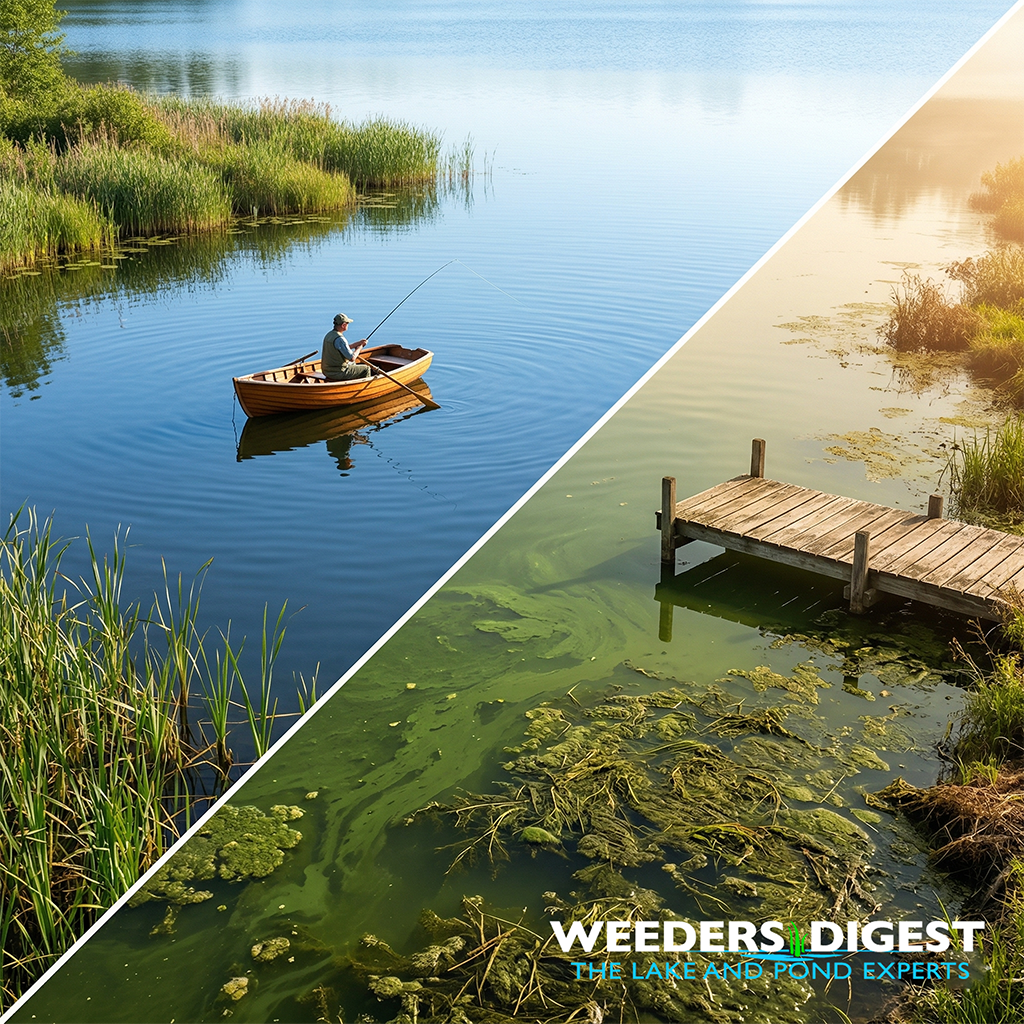
If you feel like your favorite lake looks or "acts" differently than it did twenty years ago, you aren't imagining things. Over the last two decades, lakes across the globe have undergone a quiet but profound transformation. For many homeowners and weekend boaters, this change shows up as more frequent "pea soup" algae blooms, water that stays warm much later into the autumn, or the sudden disappearance of certain fish that used to be easy to catch. These aren't just isolated bad years; they are the result of shifting climate patterns and how we manage the land around our water.
The biggest shift I've seen is in the "breathing" of the lake. Just like us, aquatic life needs oxygen, but modern lakes are losing it at an alarming rate. Warmer air temperatures mean the surface of the lake heats up faster and stays warm longer, creating a "lid" of hot water that prevents life-giving oxygen from reaching the deeper, cooler sections. This has turned many lake bottoms into "dead zones" where fish can no longer survive during the summer months.
Beyond the water chemistry, the timing of the seasons has drifted. We are seeing ice forming much later in the winter—if it forms at all—and melting away weeks earlier than it did in the early 2000s. This extra "open water" time gives algae and invasive weeds a massive head start, leading to the thicker, matted growth that clogs boat propellers and makes swimming less enjoyable.
Understanding these changes is the first step toward better stewardship. While the average lake ecosystem is under more stress today than it was twenty years ago, being aware of these shifts helps us adapt our management strategies, from how we handle runoff to how we protect the delicate balance of our shorelines.
The Science Behind It:
The transformation of lacustrine ecosystems over the last twenty years is primarily characterized by a phenomenon known as "global lake deoxygenation." Recent large-scale studies, including an analysis of over 15,000 lakes published in Science Advances (2025), have found that dissolved oxygen (DO) levels in surface waters have declined in 83% of studied lakes since 2003. This rate of oxygen loss is significantly faster than that observed in oceans or rivers. The primary driver is the increase in water temperature, which directly reduces the solubility of oxygen. Furthermore, the intensification of thermal stratification—where a distinct temperature barrier prevents the mixing of oxygen-rich surface water with deeper layers—has led to widespread hypoxia in benthic zones.
In addition to chemical shifts, the physical phenology of lakes has been drastically altered. Research indicated that in the Northern Hemisphere, lake ice duration has declined by approximately 31 days over the past 165 years, but the rate of ice loss has accelerated sixfold in the last 25 years (Sharma et al., 2021). This reduction in winter ice cover results in a longer "open water" season, which increases cumulative solar radiation absorption. The resulting "lake heatwaves"—defined as periods where surface temperatures exceed the 90th percentile of historical norms—are now occurring six times more frequently than they did two decades ago (Woolway et al., 2022).
These physical changes trigger a "cascading ecological effect" on lake biota. As water temperatures rise, cold-water fish species like lake trout and walleye lose their thermal refuge. Because the bottom waters are becoming hypoxic while the surface waters become too warm, the habitable "envelope" for these species is shrinking. Simultaneously, warmer waters and increased nutrient loading from anthropogenic runoff have favored the proliferation of cyanobacteria (blue-green algae). These organisms thrive in stable, stratified water columns, leading to more frequent and toxic harmful algal blooms (HABs) compared to the early 21st century.
Finally, the functional biodiversity of freshwater systems has shifted toward more "generalist" and invasive species. According to research involving sedimentary DNA (Eastwood et al., 2023), even when water quality parameters like phosphorus appear to improve, the biological community often fails to return to its original state. The interaction of chemical pollution, such as pesticides and fungicides, with extreme temperature events has fundamentally rewired food webs. Modern lakes are now often characterized by "shorter" food chains and a loss of specialized microorganisms that once governed efficient nutrient cycling, making the ecosystem less resilient to future stressors.
Sources / References:
- Global lake responses to climate change - ResearchGate / Nature Reviews Earth & Environment
- Climate warming and heatwaves accelerate global lake deoxygenation - Science Advances / PMC