

Why My Quick Fixes Often Backfire: The Hidden Cycle of Pond Algae and Weeds
Summary:
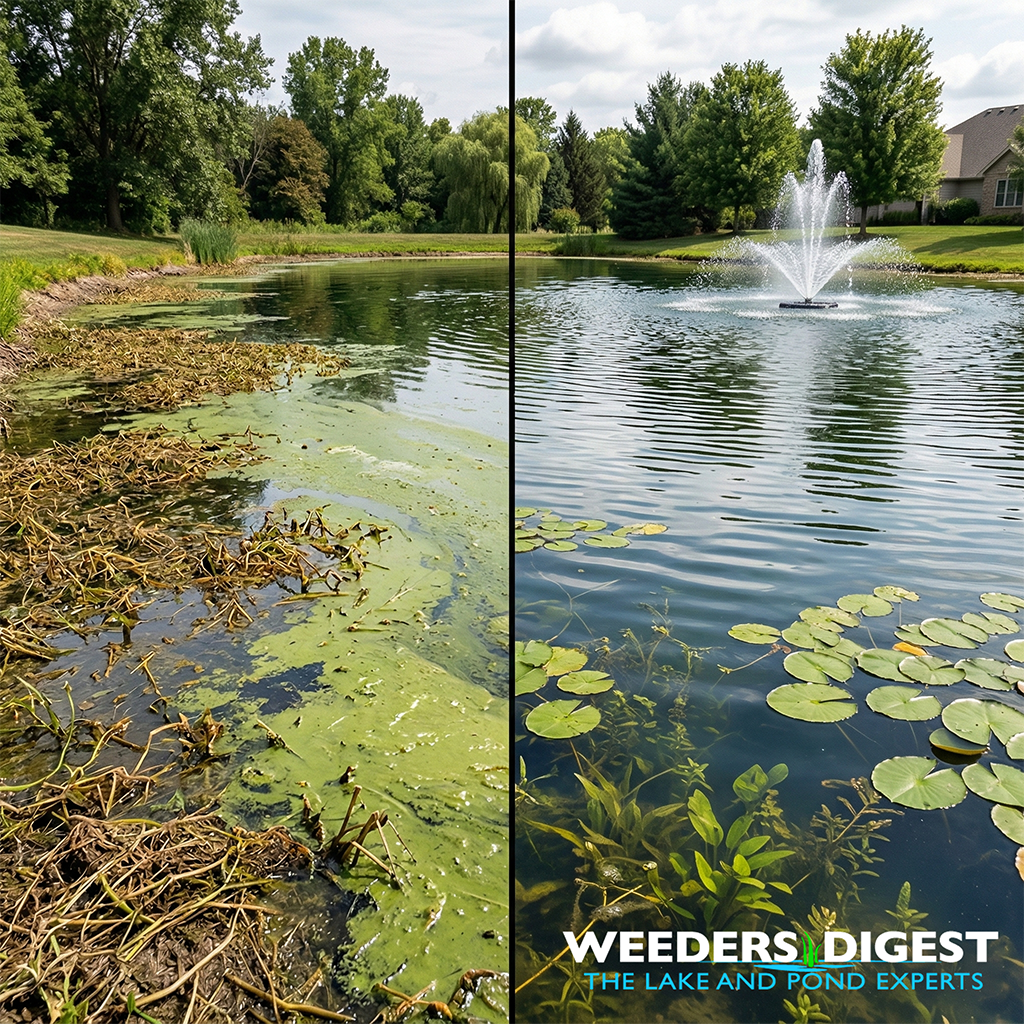
When I see my pond turning into a green soup or getting choked by weeds, my first instinct is to reach for a "quick fix" chemical to clear it up overnight. It feels satisfying to see the weeds wither and the water clear within a few days. However, I’ve learned the hard way that these rapid solutions often set the stage for an even bigger mess a few weeks later. By killing everything off at once, I’m essentially creating a massive feast for the next generation of aquatic pests.
The problem with these fast-acting treatments is that they address the symptoms rather than the root cause. My pond is a living, breathing ecosystem, and when I introduce a high dose of herbicide or algaecide, I am shocking that system. The dead plant material doesn’t just vanish; it sinks to the bottom and starts to rot. This decomposition process uses up the very thing my fish need to survive—oxygen—and releases a massive surge of nutrients back into the water.
This nutrient surge acts like high-octane fertilizer for whatever survived the initial treatment. Usually, the fastest-growing and most aggressive species are the first to bounce back, leading to a "rebound effect" that leaves my shoreline looking worse than it did before I started. Instead of a balanced ecosystem, I end up in a cycle of chemical dependency where I'm constantly chasing the next bloom.
Understanding that my pond’s health is a marathon, not a sprint, changed my entire perspective. Real success comes from managing the environment so the weeds don't want to grow in the first place, rather than just poisoning them once they arrive. Moving away from the "quick fix" mentality has saved me time, money, and a lot of frustration in the long run.
The Science Behind It:
The failure of rapid chemical interventions in aquatic environments is primarily driven by the principles of nutrient cycling and internal loading. When a large biomass of macrophytes or filamentous algae is terminated simultaneously through the application of contact herbicides or algaecides, the organic matter undergoes rapid microbial decomposition. This aerobic process consumes significant amounts of dissolved oxygen (DO). According to research by the University of Florida’s IFAS Extension, the resulting hypoxic or anoxic conditions at the sediment-water interface can trigger the release of legacy phosphorus previously sequestered in the benthos, a phenomenon known as internal loading.
This sudden influx of bioavailable phosphorus and nitrogen creates a "nutrient spike." Because the original "sinks" for these nutrients—the target weeds—have been removed, the ecological niche remains vacant but highly enriched. This environment favors R-selected species, which are opportunistic organisms characterized by rapid reproduction and high growth rates. Consequently, a secondary bloom of cyanobacteria or more resistant invasive species often occurs shortly after the initial treatment, often with greater intensity than the original infestation.
Furthermore, repeated use of "quick fix" chemicals can lead to the selection of resistant strains and the degradation of the pond’s natural biological filtration. Research published in the journal Lake and Reservoir Management indicates that the loss of native plant diversity reduces the complexity of the ecosystem, making it less resilient to external stressors. The removal of beneficial periphyton and microbial communities that compete for nutrients allows for unchecked nutrient availability, further destabilizing the water chemistry.
The long-term efficacy of pond management is tied to the mitigation of the "limiting nutrient," which in most freshwater systems is phosphorus. When a manager relies solely on reactive chemical control, they fail to address the external loading from runoff or the internal loading from decomposing biomass. Effective limnological management requires a proactive approach that emphasizes nutrient sequestration, aeration to maintain aerobic conditions at the sediment layer, and the promotion of a balanced trophic structure to ensure long-term clarity and ecological health.
Sources / References:
- University of Florida IFAS: Phosphorus Detention and Release in Managed Ponds
- North American Lake Management Society (NALMS): Managing Lakes and Reservoirs