

Why My Quiet Shoreline is Worrying Me: Where Did All My Frogs Go?
 |
Summary:
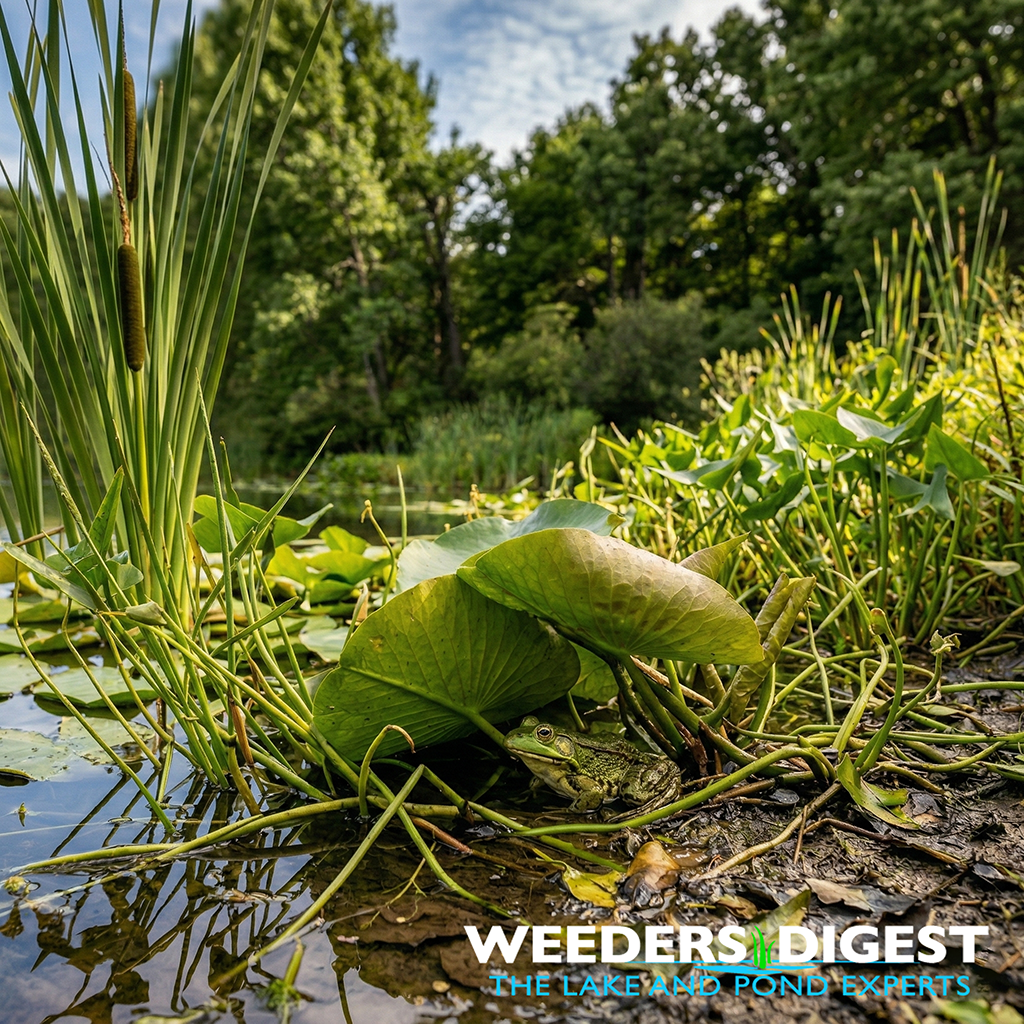
It can be quite jarring to walk down to your pond or lakefront mid-summer only to realize the usual chorus of splashes and croaks has fallen silent. You might remember seeing hundreds of tadpoles in the spring, yet by July or August, the banks seem deserted. This sudden disappearance is often a natural part of the amphibian life cycle, though it feels like a localized extinction event to the observant homeowner. In most cases, your frogs haven't necessarily died; they have simply transitioned into a different phase of life or moved to find more hospitable living conditions.
As temperatures rise and water levels fluctuate during the peak of summer, frogs often seek out cooler, more humid environments to prevent their skin from drying out. Many species are more terrestrial than we realize, venturing into tall grasses, nearby woods, or damp garden mulch once they reach adulthood. Furthermore, the transition from an aquatic tadpole to a land-roaming froglet involves a massive migration away from the water’s edge to avoid the heavy concentration of predators like herons, bass, and snakes that patrol the shoreline.
Environmental stressors can also play a role in why your backyard guests seem to have vanished. If the summer has been particularly dry or if the water quality has shifted due to heavy algae blooms, frogs will instinctually migrate toward better "real estate" with higher dissolved oxygen and better cover. While it is unsettling to lose that vibrant evening soundtrack, it is often a sign that the local ecosystem is functioning, as these creatures move to fill new niches in the surrounding landscape.
The Science Behind It:
The phenomenon of "disappearing" amphibians during the summer months is largely driven by the physiological constraints of the Class Amphibia and the ecological pressures of post-metamorphic dispersal. Amphibians possess highly permeable skin that serves as a primary respiratory organ, a trait that necessitates a high-moisture environment to facilitate gas exchange. According to research published in Ecology, many temperate frog species undergo a shift in microhabitat selection as ambient temperatures exceed their thermal preference zone, a behavior known as behavioral thermoregulation. When shoreline temperatures spike, frogs often retreat to subterranean burrows or dense vegetative canopies where vapor pressure deficit is lower, making them invisible to the casual observer.
The abrupt absence of frogs is also heavily influenced by the "metamorphic climax" and subsequent dispersal patterns. After the mass emergence of froglets from a lentic system, there is a documented period of high-intensity migration where juveniles move away from their natal ponds to reduce intra-specific competition and the risk of predation. This dispersal is critical for genetic exchange between populations. A study by the University of Missouri Extension notes that many ranid species can travel significant distances from water sources during humid nights, effectively emptying the shoreline of the dense populations seen during the spring breeding and developmental phases.
Biotic factors, specifically predator-prey dynamics, further explain these population fluctuations. Shorelines are high-risk zones where aquatic and terrestrial predators intersect. The "disappearance" often reflects a successful "landscape of fear" response, where frogs alter their activity patterns or occupy cryptic refugia to avoid detection. Furthermore, the presence of certain pathogens, such as the Batrachochytrium dendrobatidis (Chytrid) fungus or Ranavirus, can cause localized die-offs, though these are typically accompanied by the sighting of carcasses rather than a clean disappearance.
Finally, water chemistry and the phenology of aquatic vegetation play a significant role in mid-summer occupancy. As summer progresses, increased microbial decomposition can lead to localized hypoxia in the littoral zone. Amphibians, which are sensitive bioindicators, may abandon these areas in favor of more oxygenated environments or more stable terrestrial habitats. The intersection of these biological requirements and environmental variables creates the seasonal "vanishing act" observed in many North American freshwater ecosystems.
Sources / References:
- Ecological Society of America (Ecology Journal): https://www.esa.org/