

Why My Shoreline Trees Are Making My Lake Bottom So Muckier Than Ever

Summary:
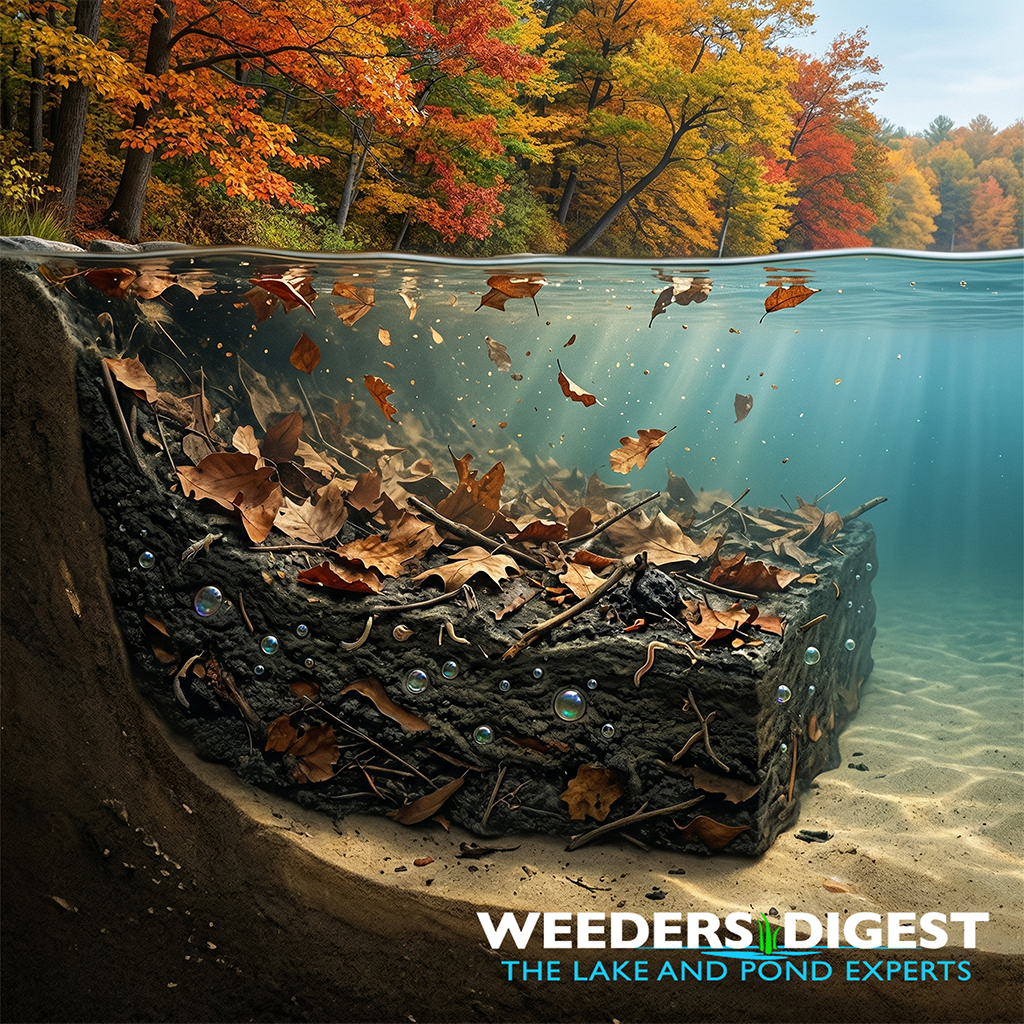
If you have ever waded into your lake only to feel that unpleasant, "squishy" muck between your toes, you are likely feeling the direct result of the beautiful trees lining your property. Every autumn, and even throughout the summer, your shoreline trees shed leaves, twigs, and organic debris directly into the water. While it might seem like these leaves should just break down and disappear, the reality of what happens underwater is a bit more complicated.
In a healthy forest, leaves turn into soil; in a pond or lake, they often turn into a thick, dark layer of sludge. This happens because the water environment changes how things rot. Instead of disappearing, the organic material from your trees settles at the bottom, creating a buffet for bacteria. However, when there are too many leaves and not enough oxygen, the decomposition process slows to a crawl, leaving behind a persistent "compost pile" on your lake floor.
Over the years, this cycle repeats, and the sludge layer grows deeper. This isn't just a nuisance for swimmers; it actually changes the chemistry of your water. This accumulation can fuel more weed growth and algae blooms, as the decaying leaves act like a slow-release fertilizer right at the bottom of your lake. Understanding this process is the first step in managing your shoreline more effectively.
The Science Behind It:
The accumulation of organic matter at the sediment-water interface is driven by the influx of allochthonous carbon—organic material originating from outside the aquatic system. Shoreline deciduous trees contribute significant biomass to the benthic zone through leaf litter. According to research published by the University of Minnesota Extension, this organic input is a primary driver of "lake aging" or cultural eutrophication. When leaves enter the water, they undergo a rapid leaching phase where soluble carbohydrates and polyphenols are released, followed by a slower colonization phase by aquatic fungi and bacteria.
The rate of decomposition is heavily dictated by the chemical composition of the leaf species and the availability of dissolved oxygen in the hypolimnion. Scientific analysis from the Journal of Freshwater Ecology indicates that leaves with high lignin and cellulose content, such as Oak (Quercus) or Beech (Fagus), decompose at a significantly slower rate than species like Maple (Acer). This recalcitrant carbon persists on the lake bed, forming the structural basis of the "muck" or sapropel layer. As these materials pile up, they create physical barriers that prevent oxygen from reaching the deeper sediment.
When the benthic environment becomes anaerobic (oxygen-depleted), the decomposition process shifts from aerobic respiration to less efficient fermentation and methanogenesis. In these low-oxygen conditions, the microbes cannot break down the organic matter completely. This results in the accumulation of partially decomposed organic "ooze." Research indicates that this anaerobic state also triggers the release of phosphorus previously bound to the sediment, a process known as internal loading. This creates a feedback loop where decaying leaf litter provides the nutrients necessary to stimulate further primary production within the water column.
Furthermore, the physical structure of the sludge layer is influenced by the flocculation of fine particulate organic matter (FPOM). As macroinvertebrates and microbial communities break down the larger leaf fragments, they create finer particles that settle and compact under the weight of the water. This compaction increases the density of the sludge over time, making it increasingly resistant to natural degradation. Consequently, the annual "leaf fall" serves as a continuous geological deposit that gradually reduces the depth of the water body and alters its ecological state.
Sources / References:
- University of Minnesota Extension: https://extension.umn.edu/lakes-and-wetlands/shoreline-stabilization-and-restoration
- Journal of Freshwater Ecology / Taylor & Francis Online: https://www.tandfonline.com/toc/tjfe20/current