

Will My Favorite Northwoods Lake Still Be The Same in 25 Years?
Summary:
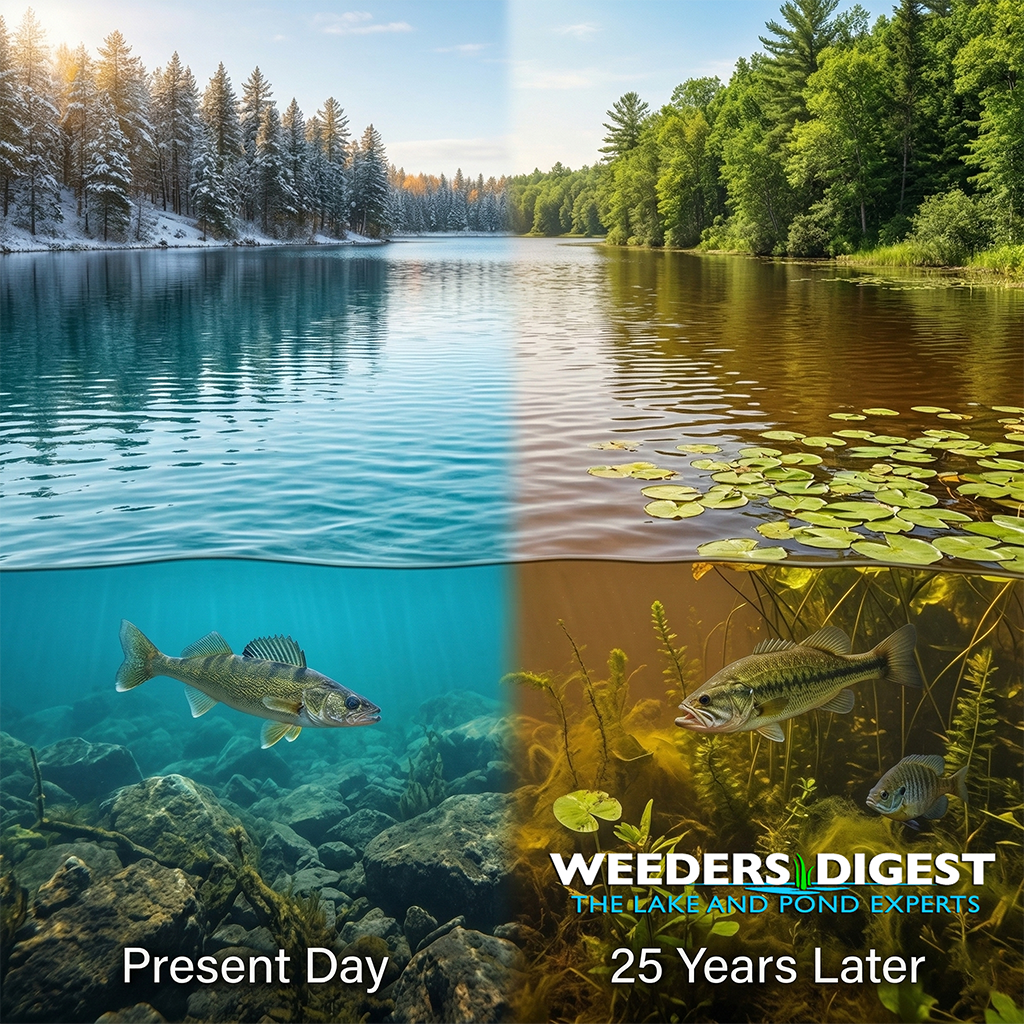
As someone who has spent years studying the delicate balance of our northern freshwater ecosystems, I often get asked if the lakes we love today will be recognizable to the next generation. The short answer is that while the water will still be there, the character of our northern lakes is undergoing a profound transformation. Over the next 25 years, you can expect to see shifts in water clarity, different types of fish tugging on your line, and a longer season for aquatic plants to grow. It is a future defined by shorter winters and warmer summers, which fundamentally changes how a lake "breathes" and thrives.
These changes mean that the crisp, crystal-clear "blue" lakes of the north may lean more toward green or tea-colored hues. You might notice that the refreshing, icy depths that trout and walleye depend on are shrinking, making room for species that prefer bath-tub-warm shallows, like bass and bluegill. While these lakes are resilient, the cumulative stress of modern climate trends and nutrient runoff is accelerating their aging process, a phenomenon we often call "cultural eutrophication."
Understanding this shift isn't about fear; it's about preparation. In 25 years, the lake in your backyard or at your favorite vacation spot will likely have a longer "growing season." This means ice-out happens earlier and the first freeze comes later, giving weeds and algae a massive head start. The docks might stay in the water longer, but the management strategies we use to keep the water healthy will need to be much more proactive than they are today.
The Science Behind It:
The primary driver of the physical and biological changes in northern temperate lakes over the next quarter-century is the alteration of thermal stratification patterns. Research indicates that as air temperatures rise, the duration of winter ice cover is significantly reduced, leading to an earlier onset of thermal layering in the spring. According to Sharma et al. (2019), thousands of northern lakes may lose their consistent winter ice cover entirely within the next few decades, which disrupts the natural "reset" button provided by annual turnover. This leads to a prolonged period of summer stratification, where the warm upper layer (epilimnion) remains isolated from the cold, oxygen-rich lower layer (hypolimnion).
This extended stratification period has dire consequences for dissolved oxygen levels in deep water. As organic matter settles and decomposes at the bottom, it consumes oxygen; without the mixing provided by cooler weather, this oxygen is not replenished. This creates "dead zones" that are uninhabitable for cold-water stenotherms, such as lake trout and cisco. Furthermore, anoxic conditions at the sediment-water interface trigger the internal loading of phosphorus. When the bottom of a lake loses oxygen, chemical bonds holding phosphorus in the mud break down, releasing a surge of nutrients back into the water column.
The biological community will mirror these physical shifts through a process known as "warm-waterization." As the "optimal thermal niche" for cool-water species like walleye shrinks, warm-water species like largemouth bass will expand their range and dominance. Concurrently, the combination of higher nutrient availability and warmer surface temperatures favors the proliferation of Cyanobacteria (blue-green algae). Unlike beneficial green algae, many Cyanobacteria strains thrive in stagnant, warm, nutrient-rich conditions and can produce toxins that threaten both canine and human health.
Furthermore, the hydrologic cycle is becoming more erratic, characterized by "flashier" precipitation events. Large storms wash significant amounts of dissolved organic carbon (DOC) from surrounding forests into the lakes, a process referred to as "brownification." This increase in DOC stains the water a tea-like color, which limits light penetration for deep-growing beneficial plants but traps more heat near the surface. Over the next 25 years, the synergy between increased internal nutrient loading, brownification, and extended growing seasons will likely result in northern lakes that are more productive, less transparent, and biologically shifted toward generalist species.
Sources / References:
- Widespread loss of lake ice around the Northern Hemisphere - Nature Climate Change
- Climate change is warming the world’s lakes - State of the Planet, Columbia University