

Aquatic Weed Identification: A Spring Guide
Identify Spring Aquatic Weeds
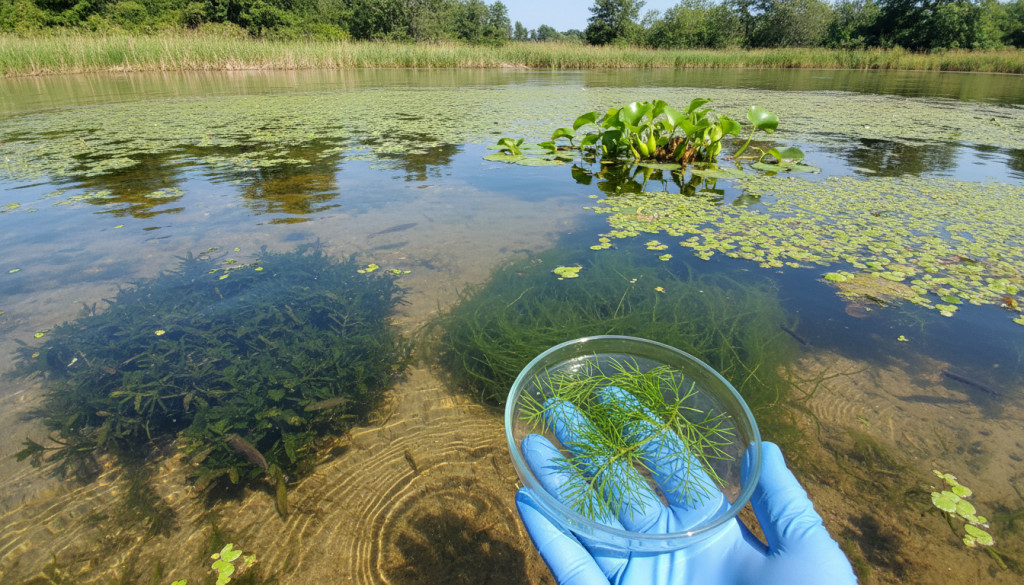
As the ice melts and the water warms, spring marks a critical period for lakefront property owners. It's when aquatic weeds begin their rapid growth, potentially disrupting the ecosystem and recreational use of your lake. Early aquatic weed identification is essential for implementing effective control measures before these weeds become a major problem. This guide will help you identify common spring aquatic weeds and choose the right control method to maintain a healthy, balanced lake environment.
A Visual Guide to Spring Aquatic Weeds: Key Characteristics
Identifying aquatic weeds accurately is the first step toward effective management. Many species share similar characteristics, especially in their early growth stages, so careful observation is key. This visual guide highlights the distinctive features of some common spring aquatic weeds, helping you differentiate them and choose the appropriate control strategy.
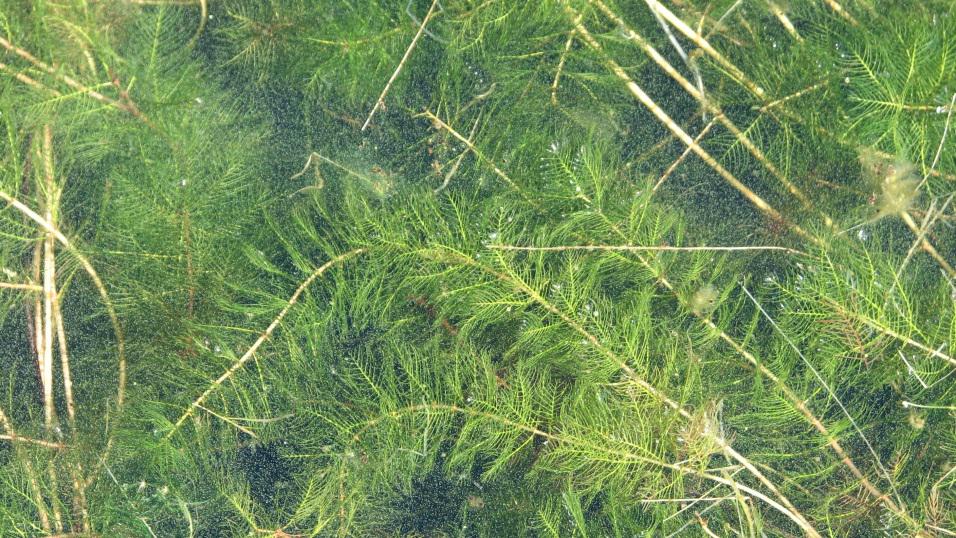 Milfoil: Eurasian watermilfoil (Myriophyllum spicatum) is an invasive submersed aquatic plant characterized by its feathery leaves arranged in whorls of four or five around the stem. Look for reddish-brown stems and finely divided leaves that give it a soft, almost delicate appearance. It often forms dense mats near the water's surface, hindering navigation and shading out native plants.
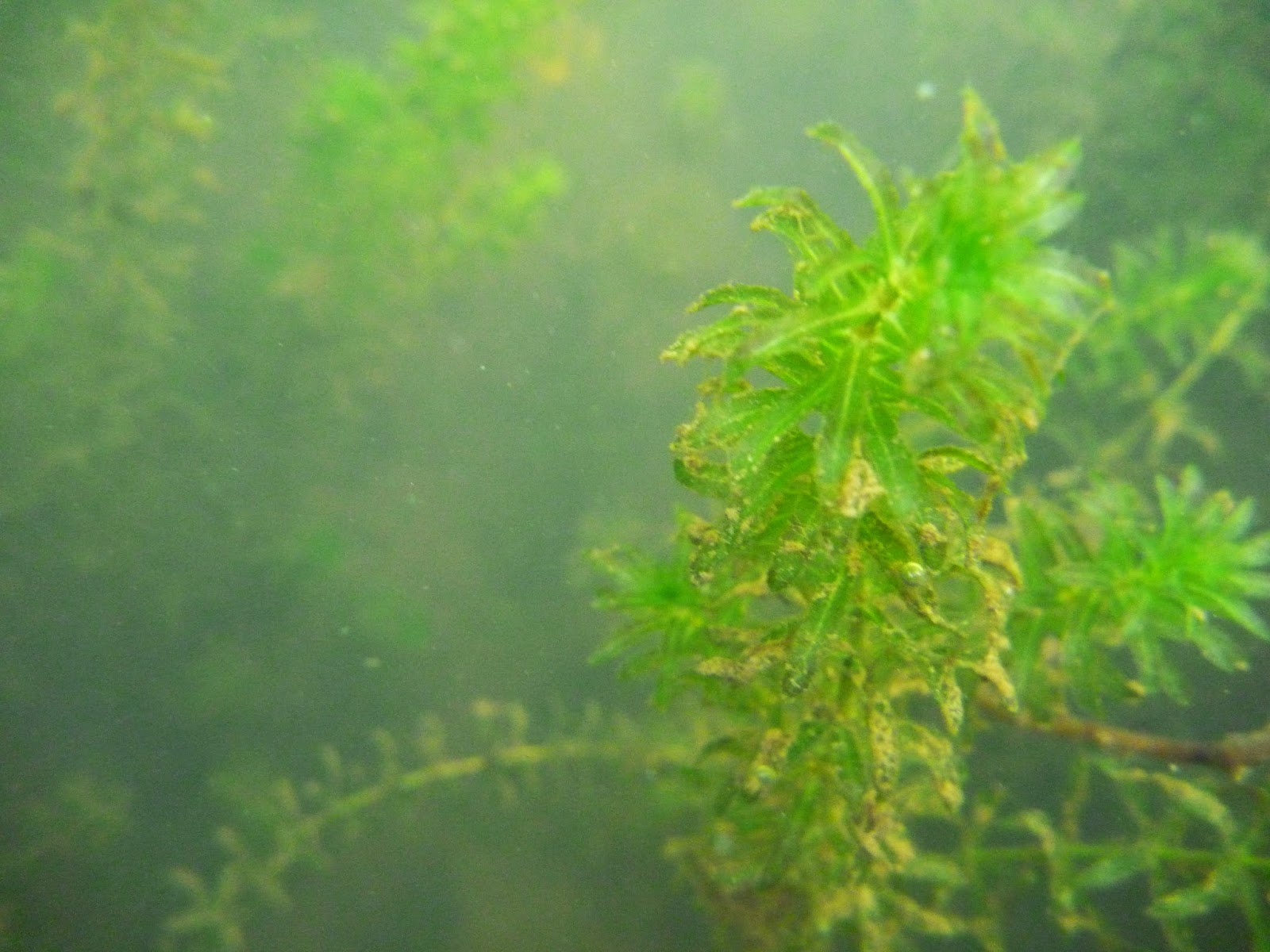 Hydrilla: Often confused with milfoil, hydrilla (Hydrilla verticillata) is another aggressive submersed weed. Its leaves are also arranged in whorls, but typically have five to eight leaves per whorl and have small spines along the underside of the midrib, giving them a rough texture. Hydrilla can grow rapidly, even in low-light conditions, making it a formidable competitor to native vegetation.
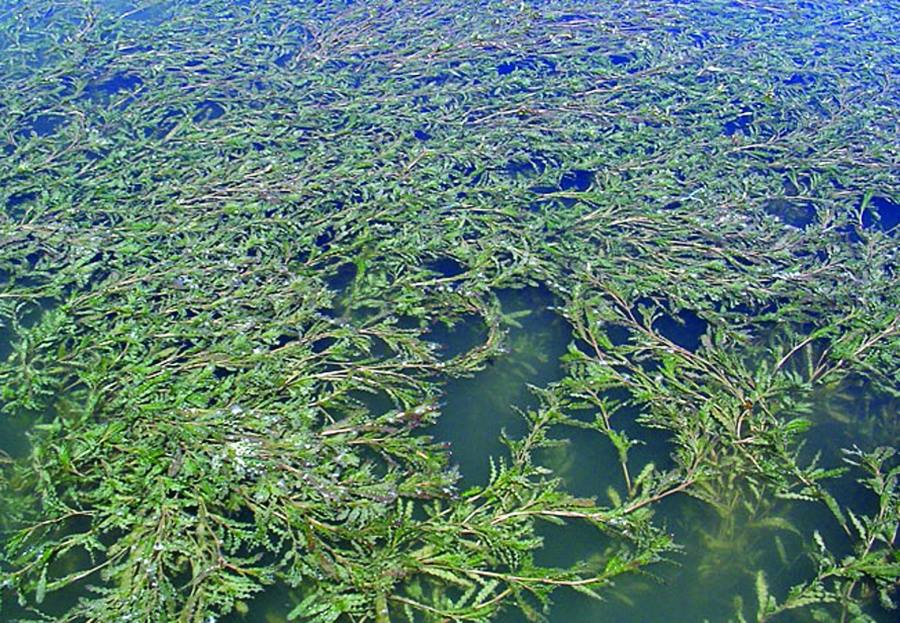 Curly-Leaf Pondweed: As its name suggests, curly-leaf pondweed (Potamogeton crispus) has distinctive wavy or "curly" leaves that are reddish-green in color. It is one of the first aquatic weeds to emerge in the spring, often growing under the ice. Its tolerance for cold water gives it a competitive advantage, allowing it to establish itself before other plants begin to grow.
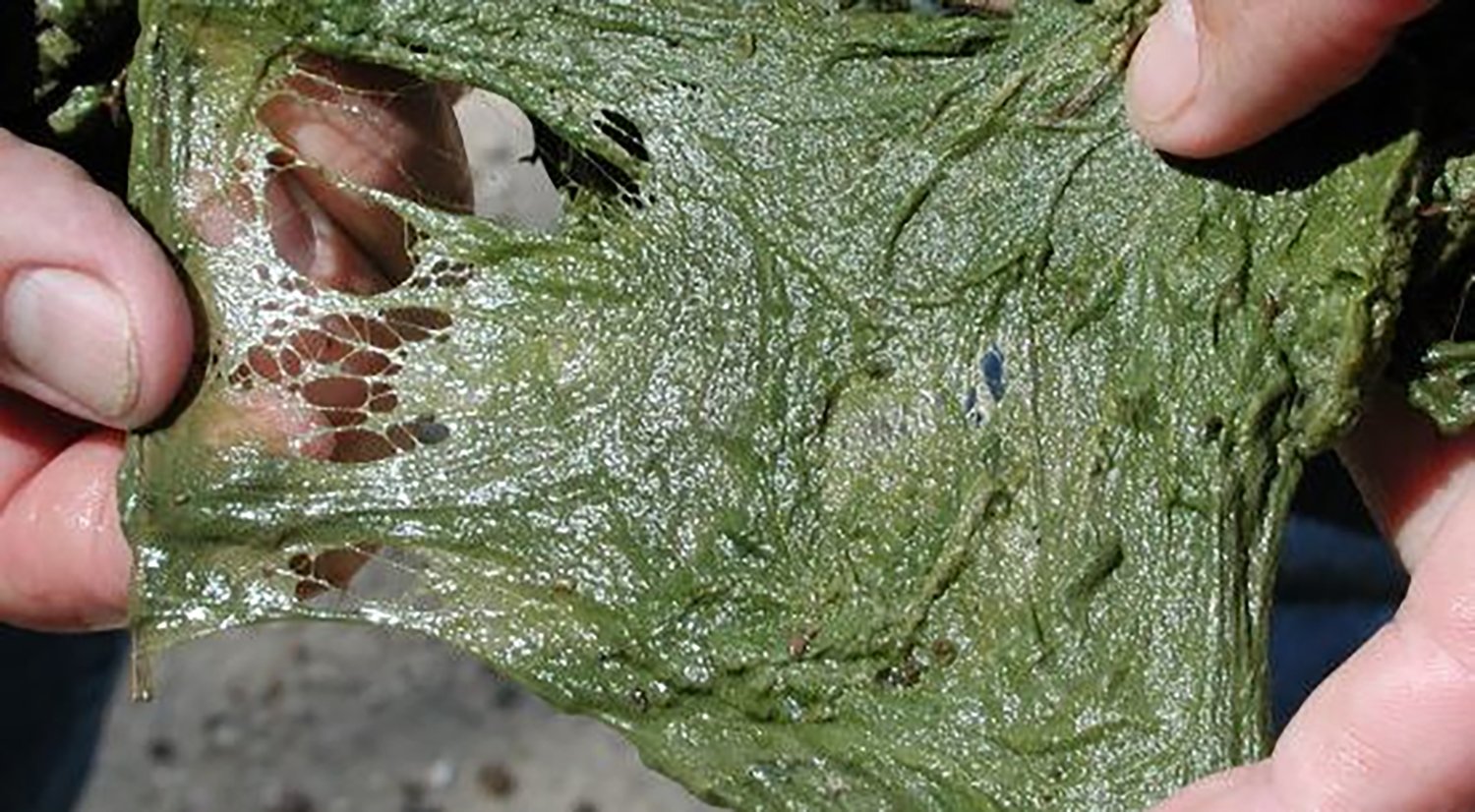 Filamentous Algae: Often referred to as "pond scum" or "string algae," filamentous algae are not technically plants, but rather colonies of algae cells that form long, hair-like strands. These strands can intertwine to create dense mats on the water's surface or along the bottom of the lake. Excessive growth of filamentous algae can indicate nutrient imbalances in the water.
Understanding Weed Growth Patterns in Spring
Several environmental factors influence the growth patterns of aquatic weeds in the spring. Understanding these factors can aid in aquatic weed identification and inform your control strategies. Water temperature, sunlight penetration, and nutrient availability all play crucial roles in determining which weeds thrive and how quickly they spread.
Water temperature is a primary driver of aquatic weed growth. As the water warms, weeds like curly-leaf pondweed, which are adapted to colder temperatures, experience rapid growth spurts.
Other species, such as hydrilla and milfoil, may begin to emerge later in the spring as the water temperature continues to rise.
Sunlight penetration is also critical, especially for submersed aquatic weeds. Clear water allows sunlight to reach greater depths, promoting photosynthesis and growth. Shallow areas and shorelines typically experience the most intense weed growth due to the abundance of sunlight. Shade from trees or overhanging structures can limit weed growth in certain areas.
Nutrient levels, particularly nitrogen and phosphorus, fuel early-season weed blooms. Runoff from fertilizers, septic systems, and agricultural activities can introduce excess nutrients into the lake, creating ideal conditions for rapid weed growth. Addressing nutrient imbalances is a key component of long-term weed management.
Early-Season Control Methods: Which is Right for Your Lake?
Once you've completed aquatic weed identification, you can select the most appropriate control method. Several options are available for early-season weed control, each with its own advantages and disadvantages. Consider the type of weed, the size of the infestation, your budget, and any applicable regulations when making your decision.
Manual removal, such as raking or cutting, is a labor-intensive but effective method for controlling small infestations. It's best suited for removing weeds from specific areas, such as swimming areas or boat docks. However, manual removal can be time-consuming and may not be practical for large-scale weed problems.
Should we also include our Cold/Warm Muck Tablet Combo? (perhaps after the AT/LG below)?
Biological control, such as introducing grass carp (sterile triploid), can provide long-term weed control. Grass carp are herbivorous fish that consume aquatic vegetation. However, they are not selective eaters and may consume desirable native plants along with the weeds. Their use is also regulated in many areas.
Chemical treatments, using aquatic herbicides, can provide rapid and effective weed control. However, herbicides should be used with caution, as they can have unintended consequences for the lake ecosystem. It's essential to choose an herbicide that is specifically labeled for aquatic use and to follow all label instructions carefully. The potential risks of using chemical herbicides in aquatic environments should be carefully considered.
A lake groomer can be a good solution for early weed control, especially for bottom-growing weeds. These devices create water movement along the lake bottom, disrupting weed growth and preventing sediment buildup. However, they may not be effective for all types of weeds and are best suited for smaller areas. Similarly, an AquaThruster can be used to create targeted water flow to disrupt weed growth and prevent the accumulation of organic matter. Like lake groomers, they have limitations based on weed type and coverage area.
To truly get ahead of the growing season, you must address the "compost" on the lake floor. We recommend the Year Round Muck Reducer Combo Kit.
- Warm Water Tablets: These work through the summer to digest organic sludge.
- Cold Water Tablets: These are specifically engineered to remain active in temperatures as low as 38°F.
By using this combo, you ensure that even in the early spring—before you can get into the water with a rake—beneficial bacteria are already hard at work reducing the nutrient levels that would otherwise fuel a massive weed breakout.
When choosing a control method, property owners should consider the specific type of weed they are dealing with, the size of their lake, their budget, and any applicable regulations. Consulting with a lake management professional can help you develop a customized control plan that is both effective and environmentally responsible.
Preventing Future Growth: Long-Term Weed Management Strategies
While controlling existing weeds is important, preventing future growth is essential for long-term lake health. Implementing sustainable management strategies can reduce the need for frequent weed control treatments and promote a balanced ecosystem. Improving water quality, regular lake maintenance, and native plant restoration are all key components of a comprehensive weed management plan.
Improving water quality is crucial for reducing weed growth. Aeration can increase oxygen levels in the water, which helps to break down organic matter and reduce nutrient availability. Nutrient management strategies, such as reducing fertilizer runoff and maintaining septic systems, can also limit weed growth. You can explore options for pond algae control to improve water quality.
Regular lake maintenance and monitoring can help to identify and address weed problems early on. Conducting regular surveys of the lake can help you track weed growth patterns and identify new infestations. Removing accumulated debris and sediment can also reduce nutrient levels and improve water quality.
Native plant restoration can help to prevent weed infestations by creating a more competitive environment. Native aquatic plants are adapted to the local conditions and can outcompete invasive weeds for resources. Restoring native plant communities can also provide valuable habitat for fish and wildlife.
Frequently Asked Questions
What are the specific regulations regarding aquatic weed control in different states?
Aquatic weed control regulations vary significantly from state to state, and sometimes even within different regions of the same state. These regulations often dictate which control methods are permitted, which herbicides can be used, and whether permits are required for certain activities. Always check with your local Department of Natural Resources or Environmental Protection Agency to ensure compliance.
How does water depth affect the distribution of different aquatic weed species?
Water depth is a major factor influencing the distribution of aquatic weeds because it affects sunlight penetration. Species like hydrilla, which can tolerate low-light conditions, may grow at greater depths than species that require more sunlight. Emergent plants, like cattails, are typically found in shallow water along the shoreline.
What are the potential risks of using chemical herbicides in aquatic environments?
While effective, chemical herbicides can pose risks to non-target organisms, including fish, invertebrates, and beneficial aquatic plants. Some herbicides can also persist in the water or sediment, leading to long-term ecological effects. Always choose herbicides carefully and follow label instructions to minimize these risks.
How can I accurately estimate the area covered by aquatic weeds in my lake or pond?
Estimating weed coverage can be done visually by dividing the lake into sections and estimating the percentage of each section covered by weeds. Aerial photography or drone imagery can also provide a more accurate assessment of weed distribution. For precise measurements, consider consulting with a lake management professional.
What are the best practices for disposing of aquatic weeds after removal?
The best way to dispose of aquatic weeds is to compost them away from the water's edge, allowing them to decompose naturally. Avoid piling weeds near the shoreline, as this can lead to nutrient runoff back into the lake. Check local regulations regarding the disposal of invasive species, as some areas may have specific requirements.
How do I ensure that my weed control efforts are not harming beneficial aquatic life?
To protect beneficial aquatic life, use targeted control methods that minimize impacts on non-target species. Avoid broad-spectrum herbicides that can kill a wide range of plants. Maintain a buffer zone of native vegetation along the shoreline to provide habitat for fish and wildlife.
What are the long-term effects of different aquatic weed control methods on the lake ecosystem?
Each control method has different long-term effects. Chemical treatments can alter water chemistry and affect the food web. Biological control can lead to imbalances if the target weed is eliminated entirely. Sustainable management practices, such as nutrient reduction and native plant restoration, generally have the most positive long-term effects on the lake ecosystem.
Take Action for a Healthy Lake This Spring
Early aquatic weed identification and control are crucial for maintaining a healthy and balanced lake ecosystem. By understanding the characteristics of common spring weeds and implementing appropriate control methods, you can prevent infestations and protect the ecological integrity of your lake.
Managing aquatic weeds effectively often requires a comprehensive approach that considers the unique characteristics of your lake and the specific types of weeds you are dealing with. At Weeders Digest, we understand the complexities of aquatic weed control and can provide expert guidance and solutions tailored to your needs.
Need help identifying or controlling aquatic weeds? Contact our team today for expert advice and solutions.
Recent Posts
-
Aquatic Weed Identification: A Spring Guide
Identify Spring Aquatic Weeds As the ice melts and the water warms, spring marks a critical period f …9th Apr 2026 -
Duckweed vs. Algae: How to Tell the Difference and Treat Accordingly
Duckweed vs. Algae: Spot the Difference When it comes to maintaining a healthy pond or lake, identif …3rd Apr 2026 -
How to Choose the Right Muck Reducer for Your Lake or Pond
Choosing Pond Muck Remover: Factors to Consider Pond muck is an inevitable part of any aquatic ecosy …3rd Apr 2026