

Blue Tipz Tip Up Alarm: Never Miss a Strike
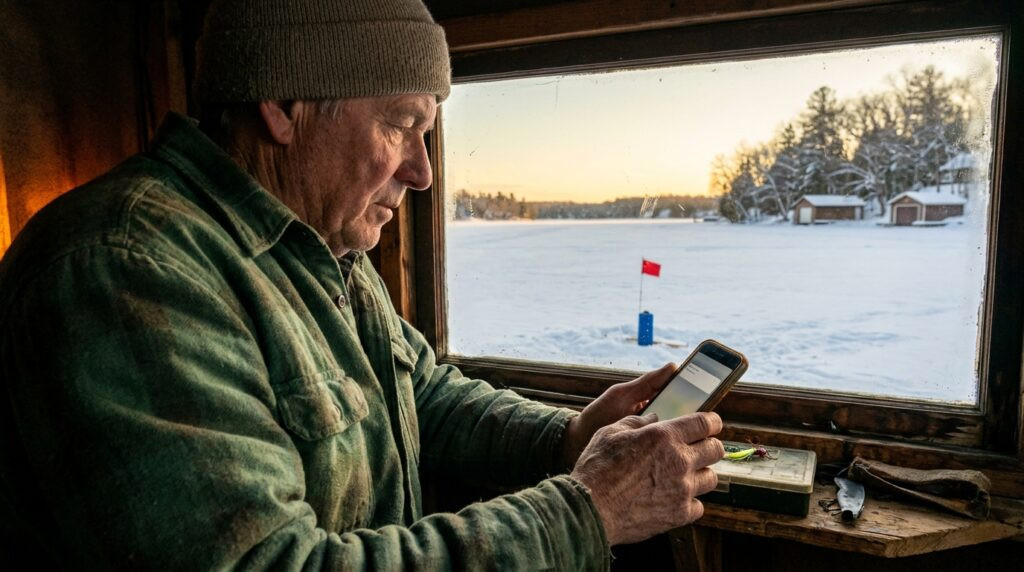
Setting a wide tip-up spread across a frozen lake is one of the most effective strategies for targeting winter walleye, northern pike, and lake trout. Traditional ice angling forces you to constantly scan the horizon through frosted windows or endure freezing winds just to spot a triggered flag.
By integrating the Blue Tipz Tip Up Alarms into your gear, you receive instant alerts the moment a fish hits, allowing you to stay warm inside your shelter without sacrificing your catch rate.
Why Ice Anglers Are Upgrading to Wireless Tip-Up Alarms
Heavy snowfall, blowing drift, and thick frost on shelter windows continuously obscure your line of sight to outer set-lines. Sudden wind gusts trip light flag springs, sending you running across slick ice on false alarms while your hands freeze. When real strikes happen in sub-zero temps, delaying your reaction time because a flag was obscured allows predator fish time to drop the bait or swallow the hook deeply.
Replacing visual guesswork with a dedicated blue tipz ice fishing alarm changes your entire approach on the ice. Your smartphone acts as a centralized receiver inside your heated ice house, where an audible chime alerts you instantly when a trigger trips. This real-time notification ensures quick hooksets, which prevents deep-hooking and keeps live bait presentation effective all day long.
Immediate strike awareness is critical when managing multiple lines or reeling in fish on another hole. When a big pike takes off on a run, every second counts before it finds structure or wraps your line around submerged timber. Wireless alarms eliminate missed flags entirely, ensuring multi-line spreads run with high mechanical efficiency.
How Blue Tipz Flex Transmitters Work on Hard Water
The core of this system relies on an accelerometer-based switch that detects changes in angle when a tip-up trips. The sensor mounts directly to the flag shaft or trip arm of traditional wooden boards, underwater thermal tip-ups, or tip-down setups. When a fish strikes and pulls the line, the flag releases and rises, changing the angle of the transmitter and sending an immediate Bluetooth signal. This mechanical trigger mechanism avoids false alarms caused by light surface waves or minor bait movement while catching actual strikes instantly.
Inside the mobile application, anglers can customize alerts and assign specific names to individual transmitters across their set lines. You can label devices by location or line depth, such as Deep Weedline or Creek Channel, directly on your device screen. When a strike occurs, the app identifies exactly which line is active, so you know where to run before ever stepping outside your shelter.
Signal transmission operates over standard Bluetooth frequencies designed to reach across open ice to your mobile device. Under ideal conditions with clear line of sight, signals easily reach several hundred feet across the ice field. At Weeders Digest, we stock top-tier ice fishing strike alerts with fast national shipping to ensure your hard-water gear is fully equipped before the first freeze.
Cold Weather Performance and Battery Optimization Tips
Sub-zero temperatures present a harsh environment for electronic battery cells exposed to open ice. Standard alkaline batteries suffer from rapid voltage drops in cold weather, causing chemical reactions to slow down and power output to fail prematurely. Utilizing high-grade lithium batteries in your transmitter units is mandatory for consistent blue tipz ice fishing performance throughout the winter. Lithium chemistries maintain steady voltage levels even in extreme sub-zero conditions, preventing sudden power loss while you are out on the lake.
Transmitter placement on your tip-up flag shaft directly impacts the overall transmission range of the wireless signal. Mounting the device higher up on the flag arm keeps the antenna elevated well above heavy surface snowpack and thick slush layers. Elevating the broadcast point reduces signal interference from ice mounds and ensures your smartphone receives the alert through dense snowbanks.
Managing Smartphone Power on the Ice
Your smartphone battery is often the weakest link in cold weather signal monitoring, as freezing air drains internal phone reserves quickly. Keeping your receiver phone inside an insulated pocket or sitting next to a thermal pack inside your shanty prevents unexpected shutdowns. Connecting your phone to a portable power bank ensures continuous Bluetooth monitoring during long daytime sessions or overnight trips. If you maintain off-grid setups, using a 12 volt solar battery charger back at your cabin or trailer keeps all your primary power banks completely topped off.
Comparing Blue Tipz to Traditional Bells and Visual Alarms
For generations, anglers relied on brass strike bells clipped to flag shafts to provide audible notifications on set-lines. While bells are inexpensive, ambient winter wind easily drowns out metal chimes beyond twenty feet from your hole. Snow accumulation can also dampen bell clappers, rendering them completely silent when a flag pops on distant lines. Wireless digital alerts replace faint mechanical noise with a loud smartphone chime that easily pierces through shelter walls and heater fan noise.
Night fishing presents unique obstacles for visual flags, often forcing anglers to sweep high-powered spotlights across frozen bays every few minutes. Constant scanning disrupts the dark environment and drains hand-held flashlight batteries quickly during long winter nights. Incorporating a Blue Tipz Tip Up Alarm For Ice Fishing provides clear push notifications and triggers smartphone flash alerts without needing constant visual checks. You can relax inside your illuminated shelter until an actual strike activates your mobile screen.
Evaluating Multi-Pack Systems for Seasonal Success
Investing in modern digital strike alerts requires an upfront financial commitment compared to basic plastic flags. However, analyzing the cost-per-season reveals massive dividends in landed game fish and saved live bait expenses. Preventing dropped baits and deep-hooked mortality translates directly into higher success rates on sought-after species like walleye, crappie, and northern pike. Multi-pack transmitter systems protect your investment in time, ice gear, and live bait by ensuring every strike turns into a landed fish.
Selecting the Right Blue Tipz Setup for Your Ice Spread
Determining how many strike alerts to purchase depends on local state fishing regulations and your personal angling style. Most Midwestern states allow anglers between two and five set-lines per person, making three-packs or four-packs ideal for full coverage. Outfitting every tip-up in your spread ensures total coverage across varied depths without leaving distant holes unmonitored. Setting multiple alerts allows you to cover deep drop-offs, shallow weed flats, and brush piles simultaneously.
Mounting the transmitters securely requires simple hardware adjustments that adapt to both wood and composite tip-up frames. Standard rubber sleeve mounts allow for fast attachment without drilling holes or damaging flexible flag wires. This quick-attach design makes it easy to swap transmitters between different tip-up styles when changing tactics from heavy pike setups to light crappie rigs. Keeping your ice fishing gear organized before the season starts ensures seamless performance once the lake freezes over.
Upgrading standard set-lines with high-performance electronics turns traditional gear into an efficient, interconnected winter network. Installing a Blue Tipz Flex Transmitter Bluetooth strike alert for tip-ups guarantees instant notification the moment line peels off a spool. Modernizing your gear frees you from staring out cold windows and lets you focus on enjoying your time on the hard water.
Frequently Asked Questions
Is the Blue Tipz mobile app free to download and install on iOS and Android devices?
Yes, the mobile application is completely free to download on both iOS and Android platforms. The software requires no recurring subscription fees or hidden costs to manage multiple transmitters on your phone. Once installed, it connects directly via Bluetooth to your units without requiring cellular service or Wi-Fi.
What is the maximum effective Bluetooth range of a Blue Tipz transmitter on open ice?
Under optimal open-ice conditions with direct line of sight, the transmitter can broadcast signals up to 600 feet to your receiver device. Real-world range typically spans 200 to 400 feet when accounting for obstacles like insulated ice shanty walls, snowbanks, and physical distance. Positioning the transmitter higher on the flag shaft maximizes broadcast reach across frozen bays.
Can Blue Tipz transmitters be safely used in heavy snow, sleet, and freezing water without water damage?
Each transmitter features a weather-resistant seal designed specifically to withstand harsh winter conditions like freezing rain, slush, and heavy snow. High-impact plastic construction prevents moisture intrusion into internal circuitry when gear gets knocked into slushy holes. However, complete prolonged submersion under water should still be avoided.
How long does a replaceable battery last in a Blue Tipz transmitter under typical winter usage?
A fresh lithium coin cell battery generally provides up to 600 hours of active runtime under typical winter fishing conditions. Because the sensor draws minimal power until an actual angle trip occurs, standby battery draw remains low throughout the season. Replacing the lithium battery at the start of each winter ensures dependable power.
How does the Blue Tipz switch detect a flag pop on different styles of tip-ups?
The sensor utilizes an internal accelerometer switch that activates based on physical tilt angle rather than line tension. When a fish trips the release arm, the rising flag changes the tilt angle of the transmitter body. This tilt detection mechanism works seamlessly across classic wooden tip-ups, round thermal hole covers, and custom tip-down frames.
What factors reduce the Bluetooth transmission distance on frozen lakes?
Signal reduction is primarily caused by dense physical obstructions such as aluminum-clad fish houses, thick thermal fabric walls, and heavy snow drifts. Extreme cold temperatures can also degrade smartphone antenna reception if your phone is left exposed to freezing air. Low transmitter battery voltage or mounting the device too close to slush level will similarly decrease overall range.
Upgrade Your Winter Ice Spread with Reliable Strike Detection
Integrating wireless strike alerts into your winter ice fishing strategy eliminates missed strikes, protects live bait investments, and keeps you warm during severe winter conditions. By providing real-time Bluetooth notifications straight to your smartphone, modern transmitters remove the frustration of missed flags and wind-induced false alarms. Outfitting your set-lines with dependable tilt-sensing technology ensures you react faster to every strike across your entire ice spread.
Choosing the right electronic tools requires working with experienced outfitters who understand real-world cold-weather performance on the ice. At Weeders Digest, we specialize in supplying proven hard-water gear built to handle punishing freezing environments. Our knowledgeable team helps you select reliable strike alert systems tailored to your local state regulations and preferred angling setups.
Don't sit freezing while flags drop; get your Blue Tipz Flex Transmitter Bluetooth strike alert for tip-ups today to upgrade your setup before your next trip onto the hard water.
Recent Posts
-
Blue Tipz Tip Up Alarm: Never Miss a Strike
Setting a wide tip-up spread across a frozen lake is one of the most effective strategies for target …17th Nov 2026 -
Dock Bubbler Systems: Ice-Free Docks
For lakefront property owners, marina operators, and HOA members in cold climates, the threat of win …9th Nov 2026 -

Top Ice Fishing Gifts for the Holidays
Finding the perfect ice fishing gifts can transform a good day on the frozen water into an unforgett …4th Nov 2026