

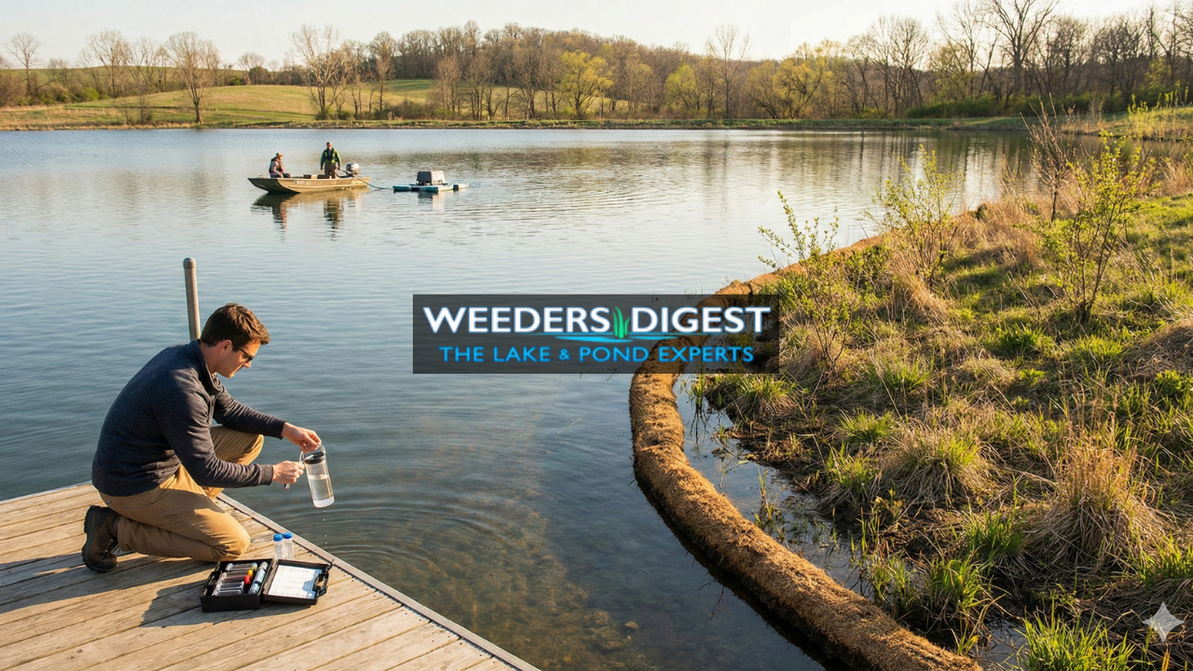
Early Spring Lake Water Quality: Your Guide To A Healthy Lake
Spring Awakening: The Ultimate Guide to Early Season Lake Management
The first thaw is more than just a shift in temperature; it is a signal of renewed life. As the ice recedes and the water stirs, the eco-system beneath the surface awakens. However, what lies beneath that tranquil surface is often a mixed bag after winter's grip.
While the transformation is beautiful, the dormant months often leave behind accumulated sediments and nutrient loads. If left unmanaged, these issues can spiral into summer problems like algae blooms and weed overgrowth. Early spring is the critical window for action.
This guide is designed for lake associations, property owners, and environmental agencies. It outlines the proactive steps you can take now to ensure your lake remains healthy, vibrant, and clear all season long.
1. Assessing the Aftermath of Winter
Before you can treat the lake, you must understand how winter impacted it. Think of this as your lake’s annual physical exam.
Evaluate Sediment Buildup
Melting snow and spring rains carry debris that settles at the bottom of the lake. This buildup decreases water depth and releases trapped nutrients.
- Where to look: Focus on inlets, areas near streams, storm drains, and around docks.
- What to look for: Murky water (indicating suspended sediment) or significant silt deposits that weren't there last autumn.
- Action: Note the location and extent of buildup to plan targeted cleanup efforts. For managing silt and muck accumulation, tools like the AquaThruster can be effective in keeping waterfront areas clear.
Test Your Water Quality (I question whether we should be recommending that lakefront owners should be testing their water quality)?
You cannot manage what you do not measure. Testing now provides a baseline before the summer heat accelerates biological activity.
- Key Metrics: Pay close attention to Phosphorus and Nitrogen levels, as these are the primary fuel for algae. Also, check pH levels to ensure they are within a range that supports aquatic life.
- Resources: Use a home testing kit or professional analysis. If you need to balance your water chemistry after testing, explore various water quality treatments designed for lake environments.
Inspect Shoreline Erosion
Ice expansion (jacking) and heavy snow loads often destabilize banks. Walk your property line and look for:
- Exposed soil or undercut banks.
- Fallen trees or sparse vegetation.
- Why it matters: Eroded soil carries phosphorus directly into the water. Stabilizing these areas immediately is crucial to preventing water quality degradation.
2. The Battle Against Nutrient Pollution
Nutrient pollution is the number one threat to lake clarity. When phosphorus and nitrogen enter the water, they act as high-octane fertilizer for weeds and algae.
Identify and Cut Off Sources
- Fertilizers: Ensure runoff from lawns and agricultural fields isn't entering the lake. Switch to phosphorus-free fertilizers on lakefront property.
- Septic Systems: Malfunctioning systems leach nutrients into groundwater. Ensure systems are pumped and inspected regularly.
Implement Best Management Practices (BMPs)
- Buffer Zones: Stop mowing to the water's edge. A strip of native vegetation filters runoff and traps sediment before it hits the lake.
- Rain Gardens: These capture stormwater runoff, allowing it to soak into the ground rather than washing pollutants into the lake.
- Erosion Control: Use terracing or retaining walls where slopes are steep. (See the EPA's guidance on nutrient pollution for more).
Manage Existing Phosphorus
If nutrient levels are already high, you have options:
- Chemical: Treatments like aluminum sulfate (alum) bind phosphorus in the sediment.
- Natural: Bioaugmentation (adding beneficial bacteria) consumes excess nutrients naturally.
- Vegetation: Planting specific aquatic plants can help absorb excess nutrients.
3. Algae and Weed Control Strategies
The goal in spring is prevention, not just reaction.
Early Detection is Key
Monitor water clarity and color weekly. A shift to green, blue-green, or brown often signals the start of a bloom. If the water smells unusual or looks like "pea soup," test immediately, as some blooms can be toxic.
Prevention: Aeration
Stagnant water is a breeding ground for algae. Aeration systems circulate water, increasing oxygen levels and disrupting the lifecycle of algae.
Note: Combining aeration with nutrient reduction is the gold standard for prevention. You can view different pond and lake aerators here to find a system that fits your specific depth and acreage.
Mechanical Removal
Sometimes, physical removal is necessary.
- Harvesting: Cutting and removing weeds creates immediate recreational access.
- Dredging: Removing the sediment layer reduces the nutrient bank available to weeds.
- Disposal: Always dispose of harvested weeds away from the shoreline so they don't decompose and release nutrients back into the water. If you are handling removal yourself, check out these aquatic weed cutters to make the job easier.
4. Shoreline Restoration
A healthy shoreline is the lake's first line of defense.
- Go Native: Plant native grasses, shrubs, and trees. Their deep root systems bind the soil far better than turf grass, preventing erosion.
- Bioengineering: Instead of concrete sea walls, use "soft" engineering. Coir logs (coconut fiber) and willow plantings provide structural stability while maintaining a natural look and habitat for wildlife.
- The Buffer Effect: Widen your shoreline buffer zones. The wider the strip of vegetation, the more effective it is at sponging up runoff.
5. Community Involvement: A Team Sport
A single property owner can make a difference, but a community can change the future of a lake.
- Engage the Association: Organize spring cleanup days to remove trash and debris.
- Education: Host workshops on responsible landscaping. Many owners don't realize that their lawn fertilizer is feeding the lake weeds.
- Collaboration: Work with local environmental agencies to develop comprehensive management plans that align with regional regulations.
Invest Now for a Summer of Fun
Early season water quality management is an investment. By assessing winter damage, controlling nutrients, and restoring shorelines now, you prevent the headaches of mid-summer algae blooms and weed infestations.
Ready to get started? Don't wait for the water to turn green. Inspect your shoreline, test your water, and reach out to professionals if you need help. If you have specific questions about your lake's condition, you can contact the Weeders Digest product experts directly.
Frequently Asked Questions
Q: How often should I test my lake's water quality? A: At a minimum, test once in the early spring (post-thaw) and once in late summer. If you see changes in clarity or color, test immediately.
Q: What are natural ways to control algae? A: Aeration (adding oxygen), bioaugmentation (beneficial bacteria), and planting competitive native aquatic vegetation are effective, chemical-free methods.
Q: How can I stop my shoreline from washing away? A: Stop mowing to the edge. Plant deep-rooted native vegetation and install biodegradable coir logs to break wave action.
Recent Posts
-

Maximize Your Pond Enjoyment: Essential Spring Pond Maintenance Tips
There is nothing quite like springtime on the pond. As the ice melts and the birds return, the water …4th Mar 2026 -

Choosing the Right Aquatic Weed Control for Your Dock Area
Having a dock on your property is a dream for many lakefront homeowners. It is your gateway to enjoy …26th Feb 2026 -

Enhancing Your Lakefront Property: Essential Spring Cleanup Tips
As a lakefront homeowner, you know there is nothing quite like the tranquility and beauty of living …18th Feb 2026