

How to Choose the Right Muck Reducer for Your Lake or Pond
Choosing Pond Muck Remover: Factors to Consider
Pond muck is an inevitable part of any aquatic ecosystem, but excessive buildup can lead to serious problems. Choosing the right pond muck remover is crucial for maintaining a healthy and thriving pond. This guide will walk you through the key factors to consider when selecting a pond muck remover, ensuring you make the best choice for your unique pond environment.
Understanding Pond Muck and Its Impact
Pond muck is the layer of decaying organic matter that accumulates on the bottom of a pond or lake. It's composed of everything from fallen leaves and dead algae to fish waste and decaying aquatic plants.
As muck builds up, it consumes oxygen as it decomposes, leading to lower oxygen levels in the water. This can stress or even kill fish and other aquatic life. Furthermore, muck releases nutrients like phosphorus and nitrogen, which can fuel excessive algae growth and create unsightly, smelly conditions.
Visible signs of excessive muck accumulation include murky water, foul odors, excessive algae blooms, and a noticeable layer of soft, dark sediment on the pond bottom. Addressing this buildup with a muck remover for ponds is essential for restoring balance.
Key Factors to Consider Before Choosing a Muck Reducer
Selecting the right pond muck remover requires careful consideration of your pond's specific characteristics. Factors like size, depth, pH, temperature, and muck composition all play a significant role in determining which product will be most effective.
Pond size and depth directly impact the amount of muck reducer needed. Larger and deeper ponds require more product to achieve the desired concentration. Accurately measuring your pond's surface area and average depth is the first step in calculating the correct dosage.
Water pH levels influence the activity of many muck reducers, particularly those containing bacteria or enzymes. Most of these products work best in a neutral to slightly alkaline pH range (6.5-8.5). If your pond's pH is outside this range, you may need to adjust it before applying a muck reducer.
Water temperature also affects the performance of muck reducers. Bacterial and enzyme-based products are generally more effective in warmer water (above 50°F), as this is the optimal temperature range for microbial activity. For colder climates, consider a cold water muck reducer specifically formulated for lower temperatures.
Finally, consider the composition of the muck itself. Is it primarily composed of decaying leaves, aquatic plants, or other organic matter? Different muck reducers are formulated to target specific types of organic material, so choosing the right one can significantly improve its effectiveness.
Types of Pond Muck Removers: A Comparison
Several types of lake muck removal products are available, each with its own mechanism of action and suitability for different pond conditions. Understanding the differences between these options is key to making an informed decision.
Bacterial Muck Reducers
Bacterial muck reducers contain beneficial bacteria that consume organic matter and break it down into simpler compounds. These bacteria are naturally occurring and safe for aquatic life when used as directed. The advantages of bacterial muck reducers include their effectiveness in a wide range of pond conditions and their ability to provide long-term muck reduction.
However, bacterial muck reducers can be slower to work than other options, and their effectiveness can be limited by low water temperatures or extreme pH levels.
Enzyme-Based Muck Reducers
Enzyme-based muck reducers contain enzymes that accelerate the breakdown of organic matter. These enzymes work by breaking down complex molecules into smaller, more manageable pieces that bacteria can then consume more easily. Enzyme-based muck reducers are particularly effective at breaking down cellulose, a major component of plant matter.
The benefits of enzyme-based muck reducers include their rapid action and their ability to work in a wider range of temperatures than bacterial products alone. However, they may be less effective on certain types of muck, and their effects may be shorter-lived than bacterial treatments.
Chemical Muck Reducers
Chemical muck reducers use chemicals to oxidize or dissolve organic matter. These products can provide rapid muck reduction, but they also carry potential risks to aquatic life and water quality. Some chemical muck reducers can deplete oxygen levels in the water, harming fish and other organisms. Others may contain harsh chemicals that can disrupt the pond's ecosystem.
Due to these risks, chemical muck reducers should be used with caution and only as a last resort. Always follow the manufacturer's instructions carefully and consider consulting with a pond management professional before using chemical treatments.
The best type of muck remover for ponds depends on the specific characteristics of your pond and the type of muck you're trying to remove. Bacterial and enzyme-based products are generally the safest and most sustainable options for long-term muck management, while chemical treatments may be considered for rapid but potentially riskier solutions.
Application Methods and Dosage: Getting it Right
Proper application is crucial for maximizing the effectiveness of any pond muck remover. This includes calculating the correct dosage, choosing the right application method, and taking necessary safety precautions.
To calculate the correct dosage, start by determining your pond's surface area in acres and its average depth in feet. Multiply these two numbers to get the pond's volume in acre-feet. Then, consult the muck reducer's label for the recommended dosage per acre-foot. Always err on the side of caution and start with a lower dose, as over-application can harm aquatic life.
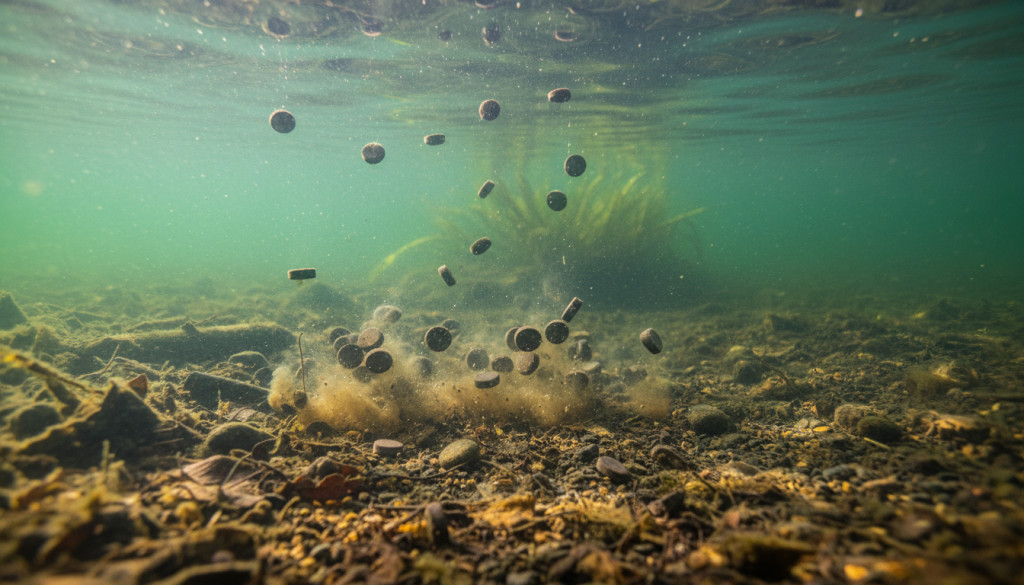
Muck reducers are available in liquid, granular, and tablet forms. Liquid muck reducers are easy to apply and can be sprayed evenly across the pond's surface. Granular muck reducers sink to the bottom and provide targeted treatment of the muck layer. Tablets are convenient for smaller ponds and can be placed directly into the water.
When applying muck reducers, always wear appropriate personal protective equipment, such as gloves and eye protection. Avoid contact with skin and eyes, and follow the manufacturer's instructions for safe handling and disposal. It's also important to ensure adequate aeration during and after application to prevent oxygen depletion.
Common mistakes to avoid include over-application, applying the product in extremely hot or cold weather, and failing to provide adequate aeration. These mistakes can reduce the product's effectiveness and potentially harm your pond's ecosystem.
Long-Term Muck Management: Beyond Muck Reducers
While pond muck remover products can effectively reduce existing muck, long-term management requires proactive measures to prevent future buildup. This includes addressing the sources of organic matter entering the pond and promoting a healthy aquatic ecosystem.
Aeration plays a vital role in preventing muck accumulation. By increasing oxygen levels in the water, aeration promotes the decomposition of organic matter and reduces the buildup of muck. Consider installing a pond aerator to improve water circulation and oxygenation.
Reducing the amount of organic matter entering the pond is also crucial. This can be achieved by removing fallen leaves and other debris from the shoreline, controlling aquatic weed growth, and minimizing nutrient runoff from surrounding areas. Regular pond algae control can also help reduce the amount of decaying organic matter that contributes to muck buildup.
Beneficial bacteria play a key role in long-term muck control. By adding beneficial bacteria to your pond, you can enhance the natural decomposition process and reduce the accumulation of muck. These bacteria consume organic matter and release nutrients that support a healthy aquatic ecosystem.
For mechanical removal of muck and debris, consider a Lake Muck Roller or AquaThruster. These tools differ from muck reducers by physically removing the muck from the pond, rather than relying on biological or chemical processes to break it down. A suction dredge can also be used to remove muck. These tools are particularly useful for ponds with heavy muck accumulation or those where chemical treatments are not desired.
Ready to Tackle Muck? Explore Muck Reducer Tablets
Muck reducer tablets are an excellent choice for pond owners seeking a convenient and effective way to manage muck buildup. These tablets are easy to apply and provide targeted treatment of the muck layer.
Compared to liquid or granular forms, tablets offer several advantages. They are pre-measured, eliminating the need for precise dosage calculations. They also sink to the bottom and release their active ingredients directly into the muck layer, maximizing their effectiveness.
Muck reducer tablets work by releasing beneficial bacteria and enzymes that break down organic matter and improve water quality. These tablets are safe for aquatic life when used as directed and can provide long-term muck reduction.
To find high-quality muck reducer tablets for effective pond management, explore our selection of muck reducers at Weeders Digest.
Frequently Asked Questions
What are the long-term effects of using muck reducers in a pond?
Long-term use of muck reducers, especially those containing beneficial bacteria and enzymes, can lead to a healthier pond ecosystem. By consistently breaking down organic matter, these products reduce muck buildup, improve water quality, and promote a balanced environment for aquatic life. This can result in clearer water, reduced algae blooms, and a thriving pond ecosystem over time.
How do cold water muck reducers differ from those designed for warmer temperatures?
Cold water muck reducers are formulated with bacteria and enzymes that are specifically adapted to thrive in colder temperatures. These products remain effective even when water temperatures drop below 50°F, ensuring continued muck reduction throughout the year. Regular muck reducers may become less effective in cold water, as the bacteria and enzymes they contain become less active.
How does water hardness affect the efficacy of muck reducers?
Water hardness, which refers to the concentration of minerals like calcium and magnesium in the water, can affect the efficacy of some muck reducers. Extremely hard water can inhibit the activity of certain enzymes, while very soft water may lack the necessary minerals for optimal bacterial growth. Testing your pond's water hardness and adjusting it if necessary can help ensure the muck reducer works effectively.
What are the alternative methods for muck removal besides using muck reducers?
Besides using muck reducers, alternative methods for muck removal include physical removal using dredging equipment, aeration to promote natural decomposition, and manual removal of leaves and debris. Introducing aquatic plants that absorb nutrients can also help reduce muck buildup. The best approach often involves a combination of these methods tailored to the specific pond conditions.
How do I test my pond's pH level and muck composition?
You can test your pond's pH level using a simple pH test kit, available at most pet stores or online retailers. To assess muck composition, collect a sample of the muck from the pond bottom and examine it for different types of organic matter, such as leaves, plant debris, and sediment. You can also send a muck sample to a lab for professional analysis.
What type of personal protective equipment should I wear when applying muck reducers?
When applying muck reducers, it's important to wear personal protective equipment to prevent skin and eye irritation. This includes gloves, eye protection (such as safety glasses or goggles), and a long-sleeved shirt. Always follow the manufacturer's instructions for safe handling and application, and wash your hands thoroughly after use.
Choosing the right pond muck remover is essential for maintaining a healthy and thriving pond ecosystem. By carefully considering factors like pond size, depth, pH, temperature, and muck composition, you can select a product that effectively reduces muck buildup and improves water quality.
At Weeders Digest, we understand the complexities of pond management and are here to help you find the perfect solutions for your needs. Our agents have extensive knowledge of every item we sell, offering first-hand understanding to help you find your perfect lake or pond management solutions.
Need help choosing the right pond muck remover? Contact us for expert advice and personalized recommendations.
Recent Posts
-
Duckweed vs. Algae: How to Tell the Difference and Treat Accordingly
Duckweed vs. Algae: Spot the Difference When it comes to maintaining a healthy pond or lake, identif …3rd Apr 2026 -
How to Choose the Right Muck Reducer for Your Lake or Pond
Choosing Pond Muck Remover: Factors to Consider Pond muck is an inevitable part of any aquatic ecosy …3rd Apr 2026 -

The Benefits of Using Cold Water Muck Reducers in Early Spring
Early Spring Muck Reducer Benefits As winter loosens its grip, lakehome and pond owners start thinki …1st Apr 2026