


How I Discovered the Secrets Behind My Exploding Duckweed Problem
 |

Summary:
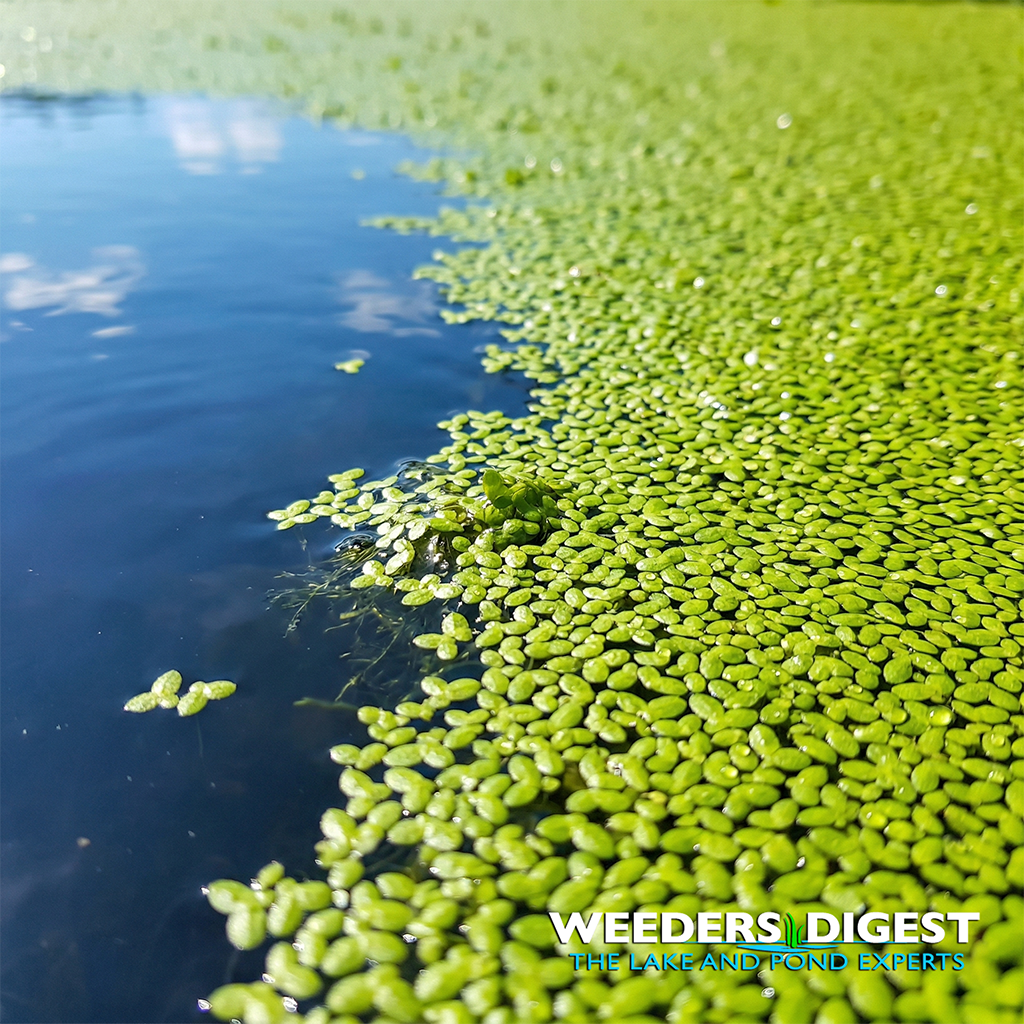
If you have ever looked at your pond on a Monday and seen a few green specks, only to find the entire surface covered by Friday, you have experienced the incredible growth power of duckweed. It often feels like it appears out of thin air, but in reality, these tiny plants are essentially "biological copy machines." They are among the fastest-growing flowering plants on the planet, and under the right conditions, they can double their entire population in less than two days.
This rapid takeover usually happens because your pond has become a perfect buffet for these plants. High levels of nutrients, particularly from fertilizer runoff or fish waste, act like high-octane fuel. When you combine those nutrients with warm summer sun and still, stagnant water, you create a greenhouse effect that allows the duckweed to carpet every square inch of the surface.
While a little duckweed can be a good thing for shade and snacks for wildlife, a full takeover is a sign that your pond’s ecosystem is out of balance. Because they reproduce so quickly through a process of cloning themselves, they can easily outpace any natural attempts to control them. Understanding why they grow so fast is the first step in reclaiming the clear water you remember.
The Science Behind It:
The phenomenal growth rate of the Lemnaceae family, commonly known as duckweed, is primarily attributed to its simplified morphology and specialized vegetative reproduction. Unlike most vascular plants that invest significant energy into complex structures like stems, large root systems, and woody tissues, duckweed has evolved a reduced plant body known as a "frond." This allows the plant to direct nearly 100% of its metabolic energy toward biomass production and exponential multiplication. Research indicates that under optimal conditions, species like Lemna minor can exhibit a doubling time of approximately 1.4 to 2.9 days (Ziegler et al., 2015).
The primary mechanism of expansion is a form of asexual reproduction called budding. Within each frond, there are two reproductive pockets known as pouches. These pouches contain meristematic tissue where new daughter fronds are initiated. As the daughter frond matures, it remains attached to the mother frond until it reaches a specific size, at which point it detaches and begins its own budding process. This exponential growth curve is facilitated by the plant's ability to maintain a high photosynthetic rate across its entire dorsal surface while simultaneously absorbing dissolved nutrients directly through its ventral surface and submerged roots.
Nutrient availability, specifically phosphorus ($P$) and nitrogen ($N$), serves as the primary limiting factor for duckweed proliferation. In eutrophic aquatic environments, duckweed acts as a highly efficient nutrient sink. According to studies published in Environmental Science and Pollution Research, duckweed can thrive in waters with high concentrations of ammonia and orthophosphates, which are often prevalent in ponds receiving agricultural runoff or containing high organic sediment loads. The plants utilize these nutrients to fuel rapid protein synthesis, leading to the "bloom" conditions observed by pond managers.
Abiotic factors such as water temperature and solar radiation also play critical roles in these growth bursts. Duckweed typically thrives in water temperatures between 20°C and 30°C. Furthermore, the lack of water turbulence is essential for their rapid colonization. In stagnant water bodies, the absence of wave action allows the fronds to remain in a stable, interlocking mat. This mat creates a positive feedback loop: as the surface area is covered, the water beneath is insulated and stabilized, further optimizing the environment for continued vegetative propagation until the entire surface is colonized.