


How My Local Beavers Completely Engineered My Shoreline: The Power of Nature’s Builders
 |
Summary:
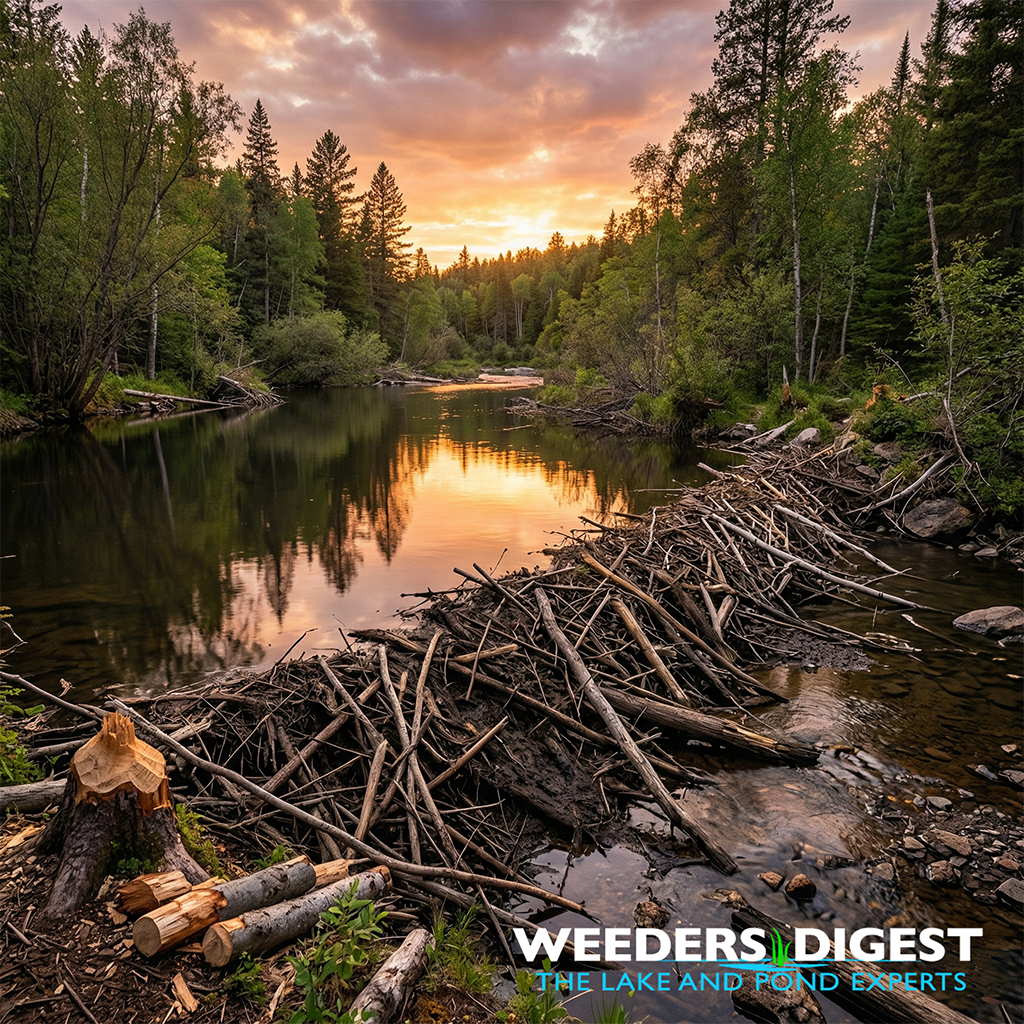
If you have ever walked along your shoreline and noticed a sudden rise in water levels or a new collection of carefully placed branches, you are likely witnessing the work of nature’s most persistent engineers. Beavers don’t just live in the water; they actively manipulate their environment to suit their needs. By constructing dams out of mud, stone, and wood, they slow down moving water, turning narrow streams or shallow shorelines into deep, stable ponds. This isn't just about building a home; it is about creating a safety zone where they can swim freely and hide from predators.
For a homeowner, this can be both fascinating and a bit overwhelming. The way these animals can redirect a flow of water overnight is nothing short of incredible. They are masters of hydrology, instinctively knowing where to place debris to create the most effective seal. This process changes the entire shape of your property's waterfront, often expanding the "wet" area of your land and creating a lush, bog-like environment that wasn't there before.
While the change might feel sudden, it is part of a larger ecological cycle. The beaver's goal is to keep their lodge entrances underwater, which requires a specific depth. To achieve this, they will continue to raise the height of their dams until the water reaches their desired level. This means your shoreline profile is constantly evolving as long as the beavers are active, shifting from a simple edge to a complex system of pooled water and saturated soil.
The Science Behind It:
The transformation of a shoreline by Castor canadensis is a process known as ecosystem engineering, which significantly alters the geomorphology and hydrological regime of the riparian zone. According to research published by the University of Oxford’s Journal of Mammalogy, beavers function as "allogenic engineers," changing the environment by transforming living or non-living materials from one state to another. By constructing dams, they decrease the kinetic energy of flowing water, which induces a shift from a lotic (moving water) to a lentic (still water) ecosystem. This reduction in velocity causes suspended sediments to drop out of the water column, leading to significant aggradation behind the dam structure.
Hydrologically, beaver activity increases the water storage capacity of a shoreline by elevating the water table in the surrounding upland areas. Research from the Oxford Academic ecology archives indicates that this "beaver-mediated" rise in the water table promotes the expansion of hydric soils and wetland vegetation. The dam acts as a porous barrier that facilitates lateral connectivity, forcing water out of the primary channel and across the floodplain. This process creates a mosaic of habitats, including meadows and marshes, which can remain saturated even during periods of low precipitation.
The structural integrity of these engineering feats is maintained through a sophisticated application of substrate. Beavers utilize a combination of woody debris and "mortar" composed of anaerobic sediments and herbaceous matter. This creates a hydrostatic seal that can withstand significant seasonal flow variations. Over time, these dams change the nitrogen and phosphorus cycling within the shoreline. As the water slows, organic matter accumulates and decomposes under anaerobic conditions, which can alter the chemical composition of the shoreline’s benthic zone and support a different array of macroinvertebrates and microbial life.
Furthermore, the impact on shoreline topography is long-lasting, a phenomenon often referred to as "beaver meadows." Even if a dam is eventually abandoned or breached, the accumulated sediment remains, creating a nutrient-rich, flat terrace that permanently alters the original slope of the shore. This geomorphic legacy demonstrates that beaver engineering is not merely a temporary blockage but a fundamental restructuring of the land-water interface that dictates the hydrological and ecological trajectory of the site for decades.