

From Muddy Water to Living Lake: When Does Your New Reservoir Become a True Ecosystem?
 |

Summary:
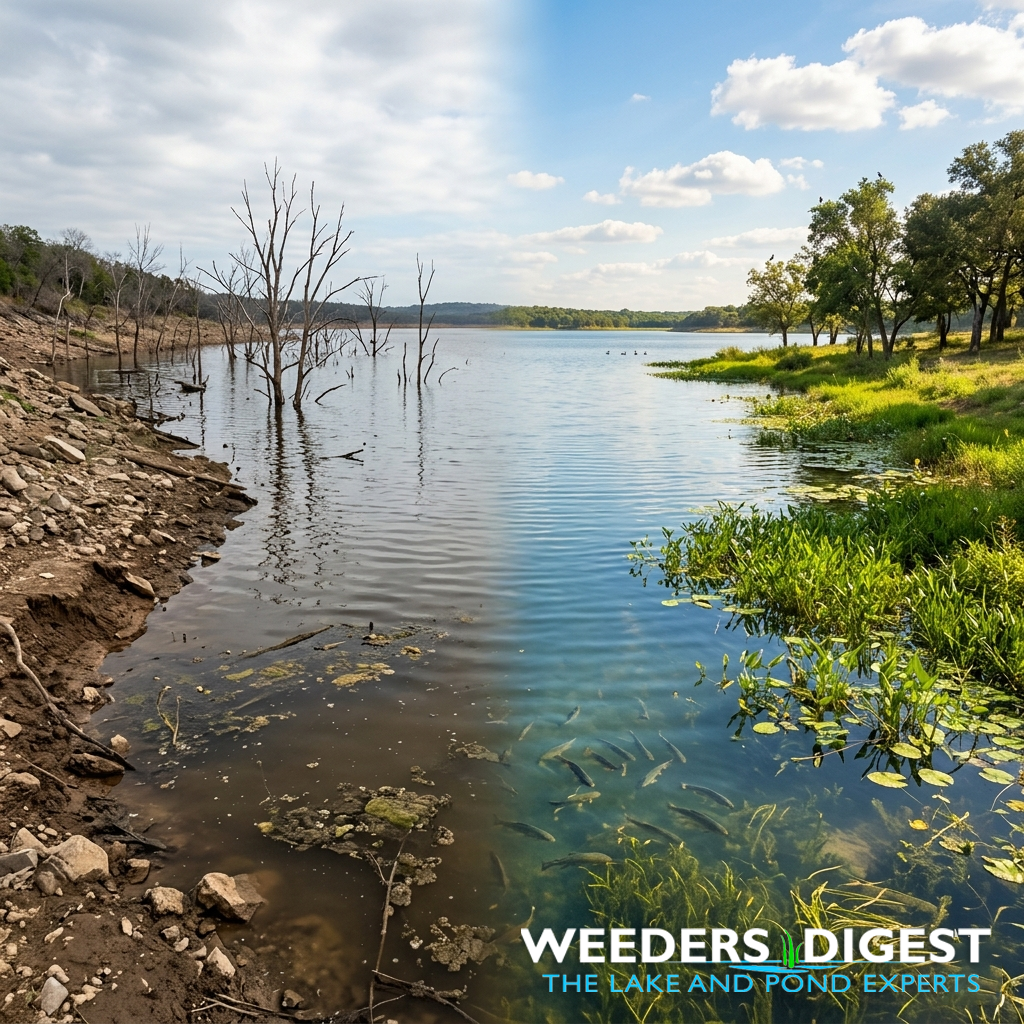
Creating a reservoir is a bit like moving into a brand-new house; just because the walls are up and the water is running doesn't mean it feels like a home yet. When a valley is first flooded, the landscape undergoes a massive shock. The soil, trees, and grass that were once dry land are suddenly submerged, leading to a period of intense biological activity and chemical changes. You might notice the water looks murky or smells different during these early years as the land adapts to its new aquatic identity.
For a newly flooded reservoir, "stability" is a moving target. In the first few seasons, you’ll see a boom in certain fish and plant species as they feast on the nutrients released from the submerged soil. However, this initial "honeymoon phase" is often followed by a dip in productivity as those easy nutrients are used up. It takes time for the complex web of life—from the tiny microbes in the mud to the predatory fish at the top—to find a predictable rhythm.
While every body of water is unique, most experts agree that it takes roughly a decade for a reservoir to settle into its long-term character. During this window, the lake is essentially "finding itself," balancing out its oxygen levels and establishing the permanent habitats that will support life for generations. It is a fascinating transformation to watch, as a man-made project slowly becomes a self-sustaining natural wonder.
Establishing a stable ecosystem in a new reservoir is not an overnight event; it is a multi-year journey of ecological succession. Understanding this timeline helps us manage these waters better, ensuring that we don't mistake the early "boom" for the permanent state of the lake. By the time the reservoir reaches its teenage years, it has usually developed the complex biological infrastructure necessary to be considered a stable, mature ecosystem.
The Science Behind It:
The transition of a terrestrial landscape into a lentic (still water) environment initiates a process known as the "trophic upsurge" period. According to research published by the American Fisheries Society, this phenomenon is characterized by an immediate and massive release of nutrients—specifically phosphorus and nitrogen—from the newly inundated soils and decomposing terrestrial vegetation. This nutrient influx triggers a rapid increase in primary productivity, leading to high densities of phytoplankton and zooplankton. During these initial three to five years, fish populations often experience exponential growth and high recruitment rates due to the abundance of food and the structural complexity provided by submerged brush and timber.
However, this period of high productivity is inherently unstable and is almost invariably followed by a "trophic depression" phase. As the easily degradable organic matter is consumed and the initial pulse of soil-bound nutrients is exhausted or sequestered in the bottom sediments, the ecosystem's energy flow shifts. Research from university limnology extensions indicates that this depression can last several years, during which fish growth rates may decline and species composition begins to shift toward those better adapted to the specific water chemistry and habitat of the maturing reservoir. The internal nutrient cycling mechanisms, mediated by microbial communities in the benthic zone, must become fully established to support a consistent food web.
Physical stabilization of the reservoir basin also plays a critical role in reaching ecological equilibrium. Shoreline erosion and the redistribution of sediments (a process known as reservoir aging or "maturation") eventually create a more stable littoral zone. According to studies in Ecological Engineering, it can take 10 to 15 years for the shoreline to reach a state of relative geomorphic stability. Until the banks are stabilized and the fine sediments have settled into the deeper profundal zones, high turbidity can limit the growth of submerged aquatic vegetation (SAV), which is vital for providing long-term nursery habitats for various aquatic organisms.
True ecological stability, often referred to as the "climax state" in successional theory, is reached when the rate of nutrient cycling and the populations of various trophic levels—from decomposers to apex predators—fluctuate within a predictable range. Most long-term ecological monitoring projects suggest that for large impoundments, this state of "dynamic equilibrium" is typically achieved between 10 and 20 years post-inundation. At this point, the reservoir has transitioned from a disturbed terrestrial site to a fully functional aquatic ecosystem with established nutrient feedback loops and a resilient biological community.