

Interrogating the Sludge: The Chemical Composition of Decomposing Plant Matter
 |

Summary:
Lake muck is a complex, chemically reactive layer of organic sediment primarily composed of carbon, nitrogen, and phosphorus derived from the incomplete decomposition of aquatic plants, algae, and terrestrial detritus. Far from being inert dirt, this bottom sludge is a dynamic chemical sink that alters water quality, strips dissolved oxygen, and continuously recycles legacy nutrients back into the water column. When plant matter dies, it sinks to the lakebed where bacteria attempt to break it down. However, when the accumulation rate outpaces the available dissolved oxygen, the decomposition process shifts from efficient aerobic digestion to slow, toxic anaerobic pathways.
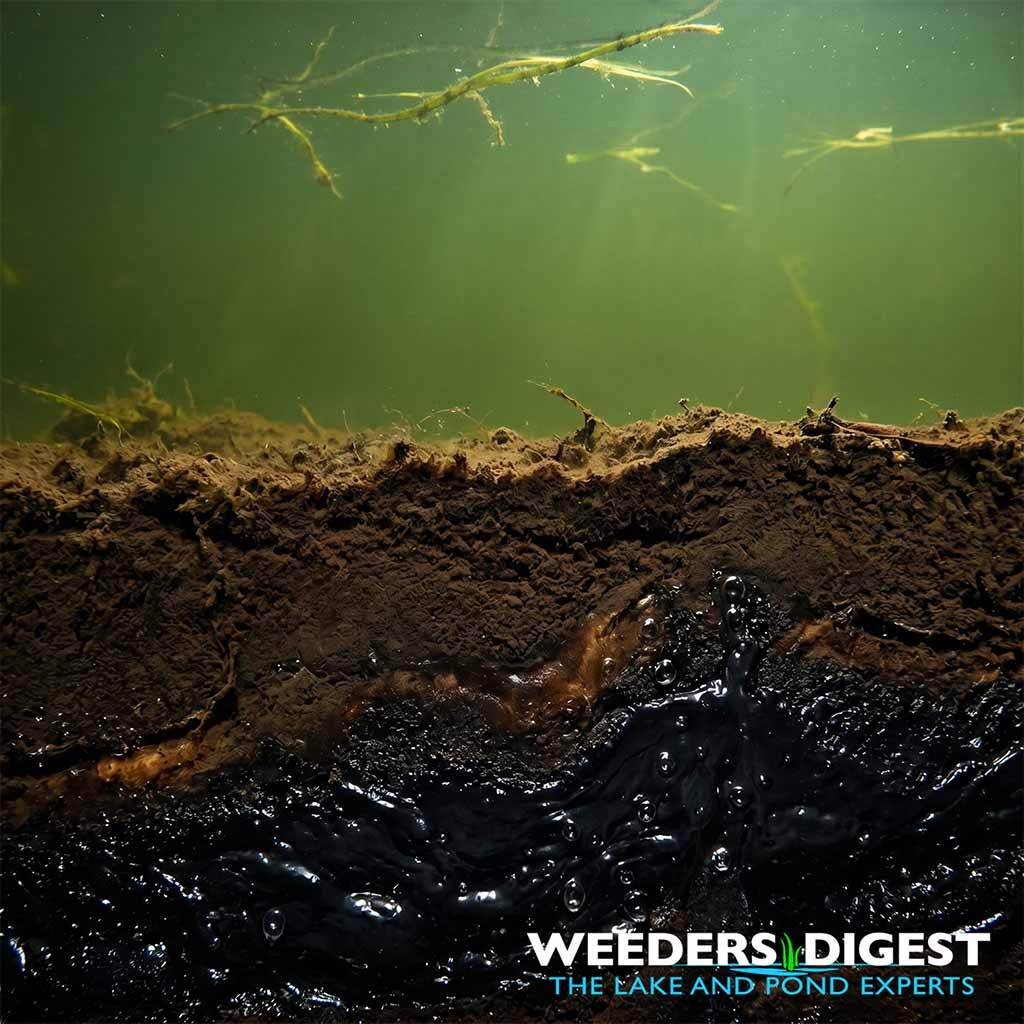
During my years pulling core samples as a Certified Lake Manager, I have frequently witnessed this process firsthand. Slipping a clear acrylic sediment core tube into a backyard pond's bottom often reveals a distinct, glossy-black layer of sludge that immediately fills the air with a pungent, rotten-egg odor. This isn't just mud; it is a living, breathing chemical factory. The distinct black coloration and foul smell are direct visual and olfactory evidence of active chemical reduction, where specialized bacteria are actively generating toxic gases due to a complete lack of oxygen at the sediment-water interface. Understanding what is locked inside this sludge is the first step to truly restoring a suffocating waterbody.
The Science Behind It: The Limnological Mechanics of Benthic Sludge
On a molecular scale, lake muck is categorized into specific types based on its origin and chemical pathways of decay. Submerged aquatic vegetation is rich in structural polysaccharides, including cellulose and hemicellulose, which are chemically bound to tough structural lignin to form a highly resilient complex known as lignocellulose. Research published in Florida Cooperative Extension Service documentation establishes that typical lake muck matrices consist of anywhere from 20% to over 80% pure organic matter, with the remainder composed of inorganic allochthonous silts, clays, and biogenic silica from diatom frustules. When this organic mass is subjected to prolonged periods of anoxia, it transforms into a glossy black, watery material scientifically classified as sapropel, which is chemically distinct from well-oxygenated, neutral-pH copropel sediments.
The chemical breakdown of this organic matter undergoes a severe thermodynamic shift depending on the electron acceptors available to benthic microorganisms. In an oxygen-rich environment, aerobic bacteria efficiently oxidize carbohydrates via the standard metabolic pathway:
(C₆H₁₂O₆) + 6O₂ → 6H₂O + 6CO₂
However, when dissolved oxygen concentrations drop below a critical threshold of 1.5 to 2.0 mg/L, aerobic respiration ceases. Benthic microenvironments quickly become reducing zones, forcing facultative and obligate anaerobic bacteria to substitute oxygen with alternative electron acceptors like nitrates, iron oxides, and sulfates. This anaerobic succession slows decomposition rates significantly, leading to the rapid accumulation of raw organic material and the generation of volatile chemical byproducts, including methane (CH_4), toxic carbon dioxide (CO_2), and hydrogen sulfide (H_2S).
Furthermore, the physical dynamics of anoxic bottom waters actively liberate tightly bound legacy nutrients back into the water column. A long-term study detailed in Nature/PMC tracked chemical successions across anoxic lake stratifications, measuring a steady dissolved organic carbon (DOC) accumulation rate increasing by up to 10 ug.L^-1.day^-1 within the stagnant hypolimnion. This occurs because mineral surfaces, particularly iron oxides, lose their capacity to bind and protect organic carbon and orthophosphates under reducing conditions. As ferric iron (Fe^3+) is chemically reduced to soluble ferrous iron (Fe^2+), the internal internal nutrient loading loop is triggered, releasing large pools of bioavailable phosphorus and ammonium directly into the overlying water.
This chemical liberation creates a destructive ecological feedback loop. The released nitrogen and orthophosphates migrate upward to the photic zone, directly fueling intense harmful algal blooms (HABs) and explosive macrophytic growth. When these massive biological blooms complete their life cycles, they sink back to the benthic zone, adding fresh layers of lignocellulose to the sediment surface. This continuous influx of organic matter ensures that the biological oxygen demand (BOD) remains permanently elevated, locking the lake bottom into a perpetual state of anoxia and compounding the volume of toxic sapropel sludge year after year.
Sources / References:
- Goodwin, P. (n.d.). 5 factors influencing pond muck decomposition and how to optimize it. Natural Lake Biosciences. https://naturallake.com/5-factors-influencing-pond-muck-decomposition-and-how-to-optimize-it/ (Cited by: 0)
- Hoyer, M. V., Canfield Jr., D. E., & Brenner, M. (2017). A beginner's guide to water management—muck: Causes and corrective actions. EDIS, 2017. University of Florida George A Smathers Libraries. https://doi.org/10.32473/edis-fa200-2017 (Cited by: 3)
- Łachacz, A., Kalisz, B., Sowiński, P., Smreczak, B., & Niedźwiecki, J. (2023). Transformation of organic soils due to artificial drainage and agricultural use in Poland. Agriculture, 13(3), 634. MDPI AG. https://doi.org/10.3390/agriculture13030634 (Cited by: 48)
- Phuyal, D. (2025). The dynamics, analysis, and sustainable management of phosphorus in muck soils: A review. Frontiers in Environmental Science. Frontiers. https://www.frontiersin.org/journals/environmental-science/articles/10.3389/fenvs.2025.1703620/full (Cited by: 2)