

Is Leaving Fallen Autumn Leaves in Our Lake or Pond Really That Bad?
 |

Summary:
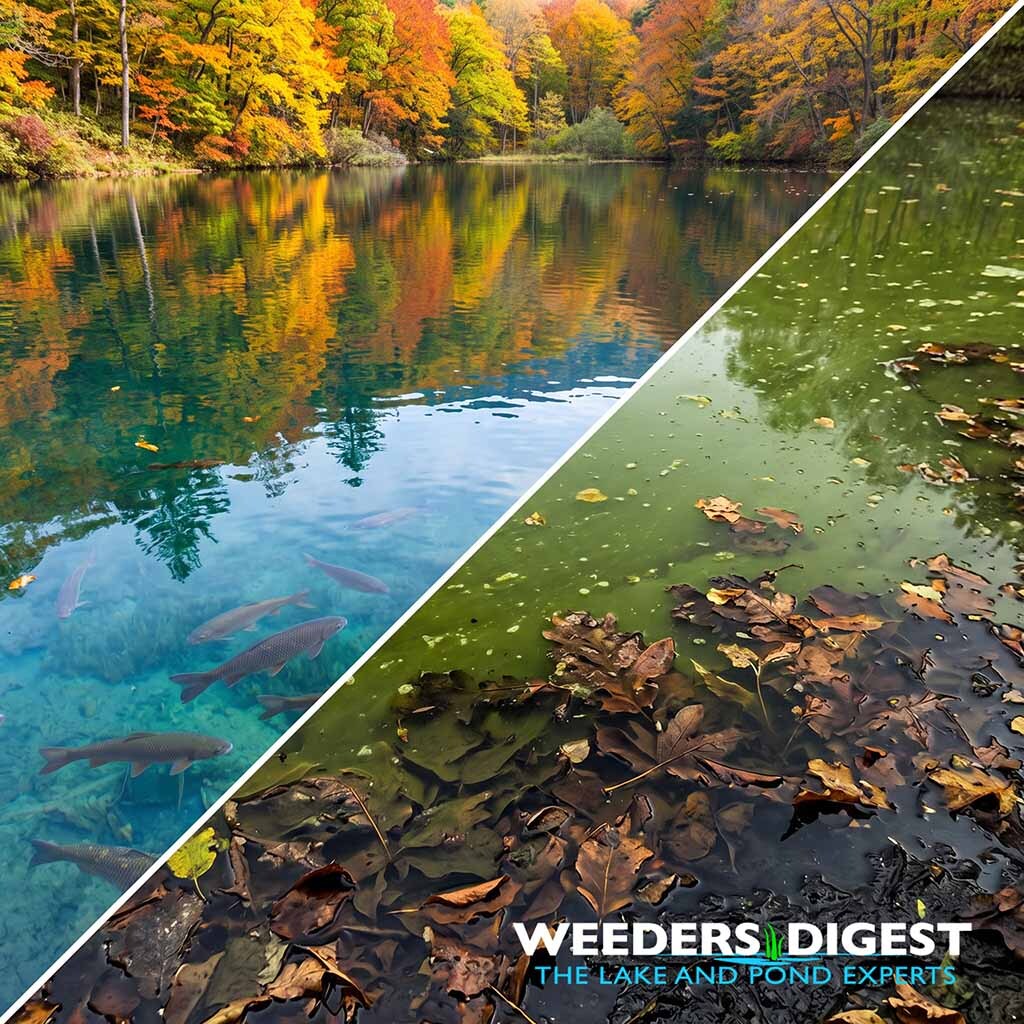
Leaving fallen autumn leaves in your lake or pond is genuinely harmful because they act as a massive fertilizer and organic fuel source for future weed and algae explosions. The very first sentence of the direct answer is that decomposing leaves release heavy loads of phosphorus and nitrogen directly into the water column, permanently thickening bottom muck. As our lake experts frequently observe during late-autumn shoreline cleanups, property owners who let leaves settle in shallow bays find themselves battling choked swimming areas and foul odors the following spring.
When tree leaves drift into a waterbody, they sink to the benthic zone and begin breaking down. While it might seem like a natural process that mimics a forest floor, an aquatic ecosystem lacks the efficient drainage and soil-aeration systems found on land. Instead of disappearing, the decaying foliage transforms into a thick layer of organic sludge, depleting dissolved oxygen levels and choking out beneficial benthic organisms.
The Science Behind It:
The environmental damage caused by autumn leaves comes down to biological loading and nutrient cycling mechanics. According to limnological research from university extension programs on watershed management, tree leaves are rich in organic carbon, phosphorus, and nitrogen compounds. As microbial activity breaks down this submerged carbon source, the process consumes vast amounts of dissolved oxygen. Studies on temperate waterbody chemistry demonstrate that a single heavy layer of decomposing leaves can drop bottom-water oxygen saturation by up to 40%, creating hypoxic zones that stress fish populations and trigger internal phosphorus loading.
Internal phosphorus loading is particularly damaging because it is the primary nutrient driving cyanobacteria (blue-green algae) and nuisance macrophyte growth. When autumn leaves settle into shallow benthic zones, anaerobic decomposition releases tightly bound phosphorus back into the water column. Research into sediment accumulation shows that organic matter from annual leaf drop can increase muck depth by several inches per year in protected shoreline areas. This excess nutrient reservoir sets the stage for severe water quality degradation, making early-season weed management significantly more difficult when water temperatures rise again.
Our Recommendation for Managing Autumn Leaf Fall:
While nature lets leaves fall where they may, managed waterfronts require proactive intervention to prevent organic buildup before winter ice locks everything in place. Raking or physically removing leaves from the shoreline and shallow swimming zones is critical to stopping next year's muck accumulation at the source.
To handle stubborn submerged leaves and floating organic debris that drift into your dock area, water management experts recommend utilizing automated, high-velocity water movement tools. Deploying systems like the AquaThruster Muck & Weed Blower keeps water circulating vigorously, preventing leaves and organic sediment from settling into heavy sludge on your lake bottom. For comprehensive seasonal protection, exploring the equipment options in our Lake Muck and Sludge Control collection provides the mechanical power needed to keep your shoreline pristine year-round.