

Reclaiming Your Waterfront: The Ultimate Guide to Effective Aquatic Weed Control Techniques
 |

Summary:
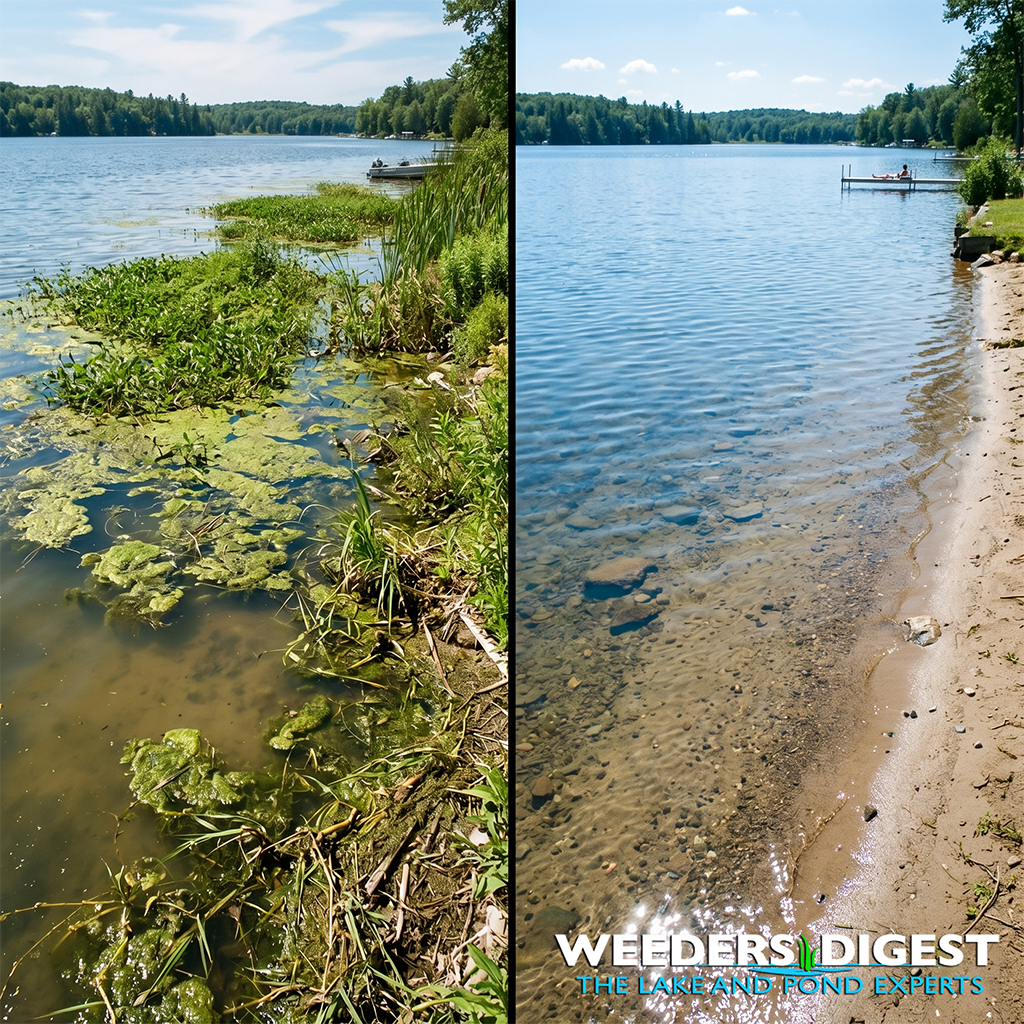
If you have ever stared out at your lakefront property only to see a thick, tangled mat of green vegetation choking out the water, you know exactly how frustrating aquatic weeds can be. What was once a pristine spot for swimming, fishing, or simply enjoying the view can quickly transform into an unusable swamp. Taking back your shoreline requires a solid understanding of how water ecosystems function and recognizing that quick fixes rarely offer lasting results. Effective aquatic weed control is about finding the right balance of techniques to manage the growth without harming the overall health of your waterbody.
There are a few main strategies you can use to clear out unwanted aquatic vegetation, primarily focusing on mechanical, biological, and chemical methods. Mechanical control involves physically removing the weeds from the water using specialized tools. While this approach is highly effective and avoids introducing foreign substances into your water, it is important to be realistic about the effort involved. These methods are not a hassle-free magic trick; they require significant, consistent physical labor to achieve and maintain a clear waterfront. When using manual or automated mechanical weed cutters, the goal is to cut the plants directly at the roots rather than violently uprooting them, which keeps the lake bottom stable.
Beyond physical removal, biological and chemical methods can also play a role in your management plan. Biological control might involve introducing specific herbivorous fish or insects that naturally feed on the nuisance weeds, acting as a natural underwater lawnmower over time. Chemical control uses specialized aquatic herbicides to target specific invasive plants, though this requires careful application to avoid throwing the ecosystem out of balance. The most successful approach usually involves combining these methods—for example, putting in the hard work to mechanically clear an overgrown area first, and then using biological or chemical treatments to keep the new growth in check.
Ultimately, improving your lake's water quality and maintaining a pristine shoreline is an ongoing process of treating both the symptoms and the root causes. Weeds thrive where there is excess nutrient buildup and decaying muck on the lake bottom. By consistently removing the organic material you cut and addressing the underlying nutrients feeding the growth, you can sustainably manage your waterfront. With the right tools and a bit of elbow grease, you can successfully reclaim your shoreline for years of enjoyment.
The Science Behind It:
Limnological and ecological assessments of aquatic plant management emphasize that rooted macrophytes are primarily driven by light attenuation, temperature, and benthic nutrient loading. In many freshwater systems, excessive external and internal loading of phosphorus acts as a primary catalyst for the hyper-eutrophic conditions that favor invasive hydrophyte species over native flora. According to the North American Lake Management Society (2018), submersed aquatic plant communities rely heavily on water clarity; as algae blooms decrease due to certain water quality interventions, the resulting increase in light penetration can inadvertently expand the depth zone where rooted submersed plants can thrive. Managing these biological communities requires an integrated approach to disrupt the environmental drivers of invasive plant formation without collapsing the local ecosystem.
Mechanical control methodologies are frequently deployed to rapidly reduce macrophyte biomass, utilizing cutting mechanisms designed to sever the vascular tissue of the plant at the sediment-water interface. Scientific literature highlights that effective mechanical weed cutters explicitly cut plants at the roots rather than uprooting them, which is a critical distinction for benthic stability. According to Madsen (1997), ripping or uprooting vegetation causes significant sediment disturbance, which leads to the resuspension of legacy phosphorus into the water column and triggers subsequent phytoplankton blooms. By cleanly severing the stems at the root crown, physical control mitigates nutrient resuspension, provided that the resulting cut biomass is thoroughly harvested and removed from the aquatic system to prevent the decomposition process from depleting dissolved oxygen levels.
Biological and chemical interventions offer alternative vectors for macrophyte suppression, often operating on completely different limnological principles. Biological control agents, such as triploid grass carp (Ctenopharyngodon idella), selectively graze on specific submerged vegetation, actively transforming dense macrophyte beds into manageable ecosystems over prolonged periods. Conversely, aquatic herbicides offer acute, targeted control by disrupting specific enzymatic pathways or cellular structures within the target invasive species. Best management practices established by the Aquatic Ecosystem Restoration Foundation indicate that these chemical applications must be precisely calculated regarding temporal and spatial variables. Misapplication or over-reliance on sudden chemical die-offs can result in a massive release of intracellular nutrients from decaying plant matter, potentially shifting a clear, macrophyte-dominated lake into a turbid, algae-dominated state.
Long-term stabilization of freshwater ecosystems ultimately relies on Integrated Aquatic Vegetation Management (IAVM). This multi-tiered framework requires lake managers to synthesize mechanical, biological, and localized chemical techniques based on site-specific ecological and economic constraints. For instance, high-intensity recreational zones may necessitate the immediate, albeit labor-intensive, biomass reduction achieved through root-level mechanical cutting, followed by benthic barriers or localized herbivory to maintain the cleared zone. By systematically managing both the internal phosphorus cycles and the physical expansion of invasive macrophytes, lake managers can successfully restore ecological equilibrium, enhance native biodiversity, and improve the overall hydraulic and biological function of the watershed.
Sources / References:
- Madsen, J.D. (1997). Advantages and Disadvantages of Aquatic Plant Management Techniques. NOAA. https://www.noaa.gov/sites/default/files/legacy/document/2020/Oct/07354626363.pdf
- Aquatic Ecosystem Restoration Foundation. Biology and Control of Aquatic Plants: A Best Management Practices Handbook. https://www.csu.edu/cerc/researchreports/documents/BiologyandControlofAquaticPlants-ABestManagementPracticesHandbook.pdf