

Restoring the Rhythms of Your River: My Guide to Dam Removal and Waterway Recovery
 |

Summary:
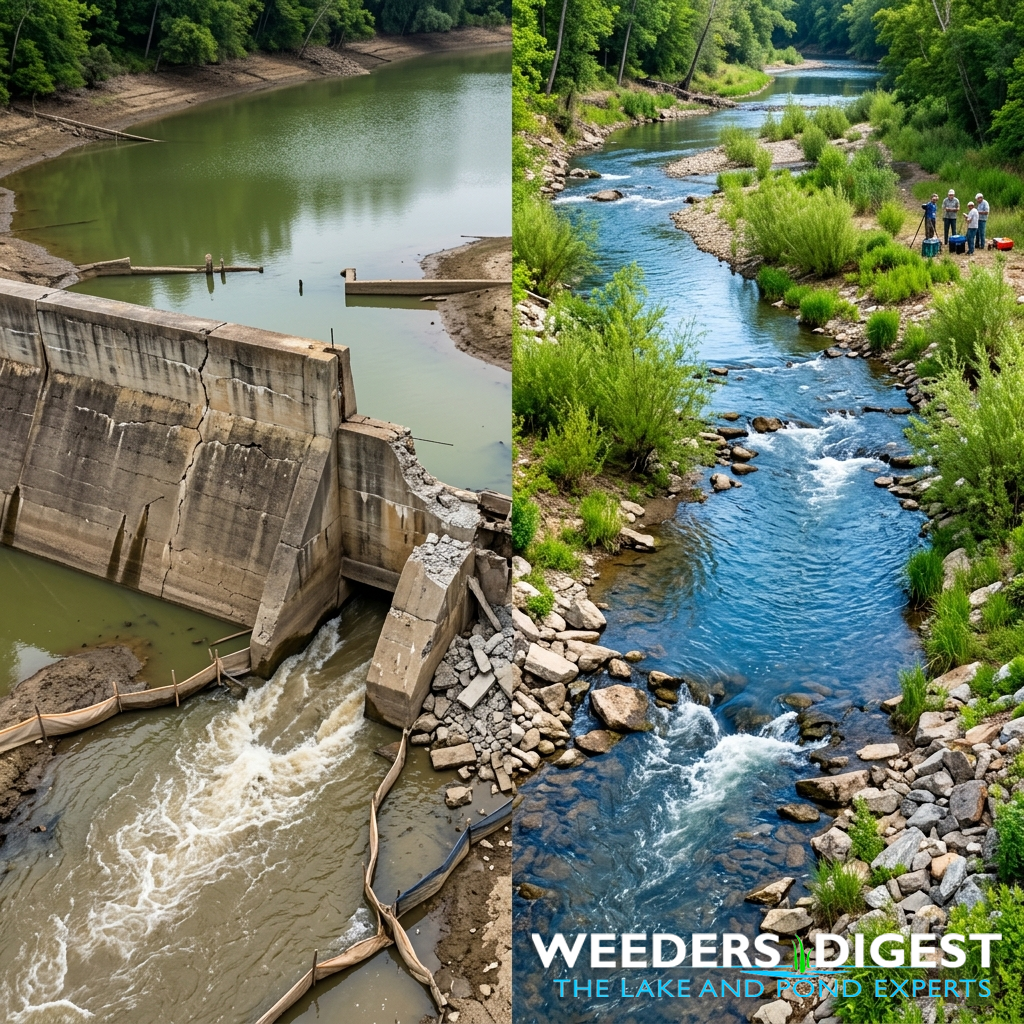
The process of removing an old dam is much more than just a demolition project; it is a profound act of ecological healing. When a dam is decommissioned, we are essentially giving a river back its freedom. For decades, these structures have acted like a kink in a garden hose, trapping sediment, warming the water, and blocking fish from reaching their ancestral spawning grounds. My experience has shown that once that barrier is gone, the transformation is often swifter and more vibrant than most people imagine.
To start, the process requires a careful balancing act of engineering and biology. We don’t just "blow it up" and walk away. Instead, the water is lowered slowly to prevent a sudden rush of mud and debris from overwhelming the areas downstream. This controlled release allows the river to gradually find its old path again, uncovering land that has been underwater for generations. It is a moment of rediscovery for the landscape and the community alike.
Once the physical structure is gone, the natural river flow returns, and with it, a surge of life. You start to see native plants taking root in the newly exposed soil, and fish species that haven't been seen upstream in a century begin to return. The water becomes clearer and cooler, creating a healthier environment for everything from tiny aquatic insects to the eagles that hunt above the banks.
Ultimately, decommissioning a dam is about looking toward the future by restoring the past. It reduces the risk of old structures failing and creates a more resilient, self-sustaining ecosystem. It is an investment in a living, breathing river that can support wildlife and recreation for your children and grandchildren to enjoy.
The Science Behind It:
The decommissioning of a dam and the subsequent restoration of a lotic (flowing water) ecosystem is a complex multi-stage process governed by geomorphology and hydraulic engineering. According to research published by the American Fisheries Society, the primary mechanical phase involves a drawdown of the reservoir. This must be managed to mitigate "sediment pulses"—the sudden downstream transport of accumulated silt and organic matter which can cause interstitial clogging of gravel beds, negatively impacting benthic macroinvertebrates and fish spawning habitats (Bednarek, 2001).
From a limnological perspective, dam removal shifts the environment from a lentic (still water) state back to a lotic state. Reservoirs often suffer from thermal stratification and low dissolved oxygen in the hypolimnion; removing the barrier eliminates these stagnant conditions. As the river regains its longitudinal connectivity, the "River Continuum Concept" is restored, allowing for the natural downstream transport of nutrients and carbon sources that fuel the entire food web. Research from University Extension programs emphasizes that this connectivity is vital for anadromous and catadromous fish species that require unobstructed passage to complete their life cycles.
The restoration of the "natural flow regime" involves the return of seasonal flood pulses, which are the primary architects of the river channel. These pulses move bedload materials, creating the diverse mosaic of riffles, runs, and pools necessary for high biodiversity. As the river incises through the legacy sediment of the former impoundment, it establishes a new equilibrium slope. The Journal of Ecology notes that the recolonization of the riparian zone by native vegetation is a critical secondary phase, as root systems stabilize the new banks and provide essential allochthonous input and shading to the recovered stream (O'Connor et al., 2015).
Furthermore, the chemical recovery of the waterway is often immediate. Without the impoundment, water residence time decreases significantly, reducing the potential for nutrient loading and harmful algal blooms (HABs). The re-establishment of a gravel-bottomed substrate promotes the growth of periphyton and the presence of EPT (Ephemeroptera, Plecoptera, Trichoptera) taxa, which serve as bioindicators of high water quality. This systemic reset ensures that the river can once again provide the ecosystem services—such as natural water filtration and flood attenuation—that were lost when the dam was first constructed.
Sources / References:
- Bednarek, A. T. (2001). Undamming Rivers: A Review of the Ecological Effects of Dam Removal. Environmental Management. https://link.springer.com/article/10.1007/s002670010159
- University of Wisconsin-Madison Extension. Dam Removal: A Guide for Communities. https://naturalresources.extension.wisc.edu/