

What Is Hiding at the Bottom of Your Lake? My Guide to the Benthic Zone and Muck Formation
 |

Summary:
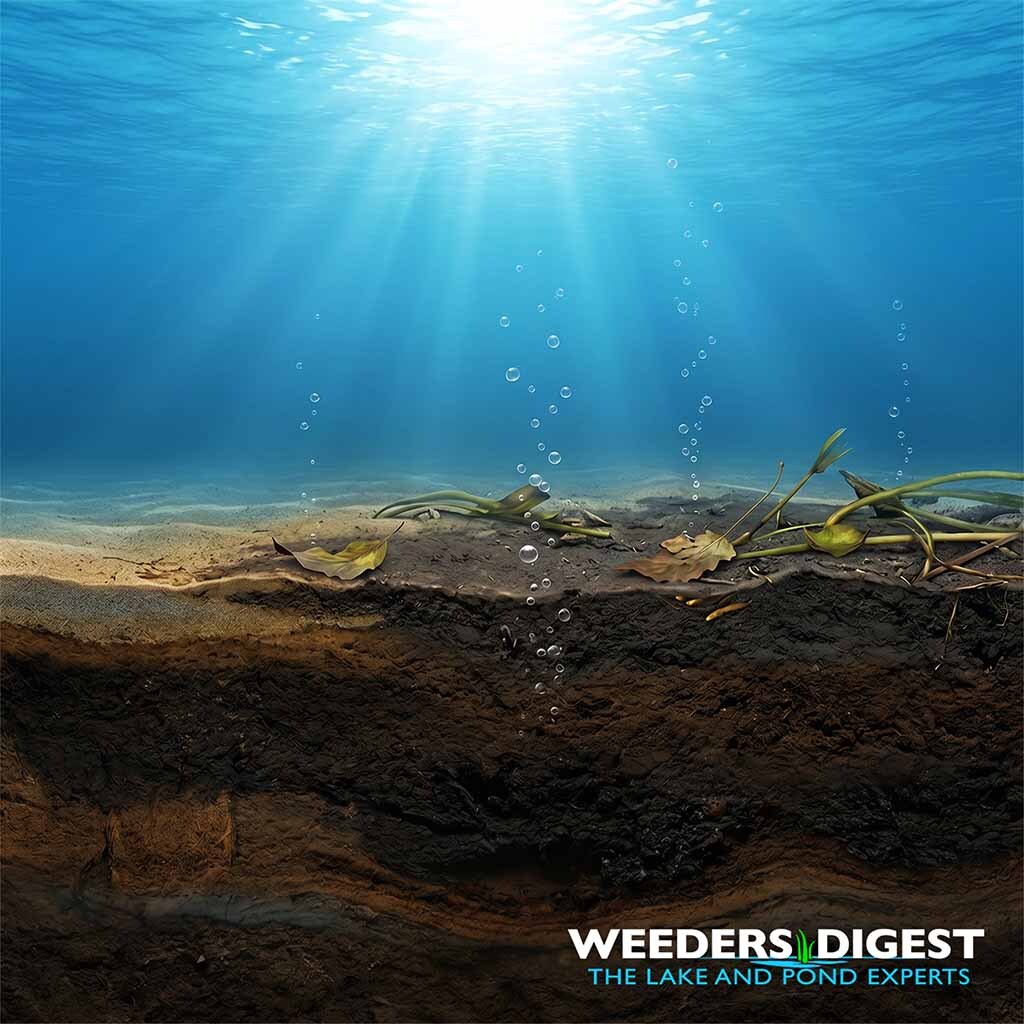
The benthic zone is the ecological region at the lowest level of a body of water, where lake muck forms through the slow, anaerobic accumulation of decaying organic and inorganic materials. For the average waterfront homeowner, the benthic zone is simply the lake bottom, but ecologically, it is a complex processing center. When leaves, aquatic plants, and algae die off, they sink into this dark, oxygen-deprived environment. Because there is very little dissolved oxygen at these depths, the natural bacteria responsible for breaking down this debris work incredibly slowly, leading to a continual, compounding buildup of sludge over time.
As a Certified Lake Manager, I frequently evaluate waterfronts where years of accumulated organic debris have created feet of thick, foul-smelling sludge. I always make sure to set realistic expectations for the property owners: reversing years of benthic buildup is never an easy, overnight fix. A true muck removal project is a big project and does require a lot of labor, often involving heavy dredging, physical extraction, or intensive biological augmentation to finally restore a firm, sandy bottom.
The primary reason this material piles up rather than disappearing is the continuous influx of plant matter combined with a lack of oxygen. For instance, when managing overgrown vegetation, it is important to remember that an aquatic weed cutter doesn't actually remove the roots, it just cuts them at the roots. While this effectively clears the visible water column, the remaining root structures and any unraked surface cuttings eventually sink into the benthic zone, adding directly to the sediment load. In a healthy, well-oxygenated lake, bacteria act like a furnace to burn through this waste. However, as lakes age, oxygen levels at the bottom plummet. This forces the ecosystem to rely on anaerobic bacteria, which process waste at a fraction of the speed and produce chemical byproducts like hydrogen sulfide—the exact compound responsible for that distinct "rotten egg" smell you notice when you disturb the lake bottom.
The Science Behind It:
The benthic zone encompasses the sediment surface and sub-surface layers of a water body, serving as the ultimate biological sink for particulate matter. Muck formation within this zone is driven by the continuous deposition of both allochthonous and autochthonous materials. Allochthonous inputs originate from outside the aquatic ecosystem, such as terrestrial leaves, soil runoff, and watershed debris, whereas autochthonous materials are generated from within the lake, including senescing aquatic macrophytes and dying phytoplankton. When these materials settle onto the benthic substrate, they form a thick detrital layer that must be processed by the microbial community. The rate at which this detritus accumulates versus the rate at which it metabolically decomposes ultimately dictates the volume and depth of the muck layer present on the lake floor.
The efficiency of organic matter decomposition is entirely dependent on the dissolved oxygen profile at the sediment-water interface. In a well-oxygenated environment, aerobic bacteria utilize oxygen as a highly efficient electron acceptor to metabolize organic carbon, rapidly converting it into carbon dioxide and water. However, thermal stratification in deeper lakes often seals off the hypolimnion—the dense, bottom layer of water—preventing atmospheric oxygen from circulating down to the benthic zone. Once the available oxygen is depleted by aerobic respiration, the environment becomes anoxic, forcing the ecosystem to shift to anaerobic decomposition pathways. These anaerobic pathways must utilize alternative electron acceptors such as nitrate, iron, sulfate, and carbon dioxide, which yield significantly less metabolic energy for the microscopic community.
Because anaerobic respiration is thermodynamically less efficient, the rate of organic breakdown drops precipitously in the absence of oxygen. Research published by the University of Kentucky Water Resources Research Institute on algal decomposition demonstrated that the extent of biological nutrient regeneration is vastly greater under aerobic conditions, with significant fractions of particulate organic matter remaining completely undecomposed when subjected strictly to anaerobic environments. Without oxygen, decomposition essentially stalls, leading to the rapid physical accumulation of sediment. Furthermore, data provided by the University of Florida IFAS Extension indicates that the organic matter content in traditional lake muck typically ranges from 20% to over 80%. When this highly organic material undergoes anaerobic decay in the presence of iron sulfide, it transforms into sapropel, a specialized, gel-like humus characterized by heavy concentrations of trapped methane and hydrogen sulfide gases.
This ongoing accumulation of undecomposed organic matter initiates a dangerous positive feedback loop known as internal nutrient loading. As anaerobic bacteria slowly process the benthic sludge, they mineralize and release soluble reactive phosphorus and nitrogen back into the water column. This constant upward release of nutrients stimulates aggressive, widespread algal blooms in the photic zone near the water's surface. When those massive algal populations eventually reach the end of their life cycle and sink, they add an immense secondary load of autochthonous organic matter right back into the benthic zone, further driving anoxia and accelerating the rate of muck formation. Interrupting this compounding cycle requires scientifically sound interventions that either physically manage the existing nutrient load or permanently restore oxygen to the sediment-water interface.