

Why My Older Fiberglass Boat Is Breaking Out In Blisters
 |

Summary:
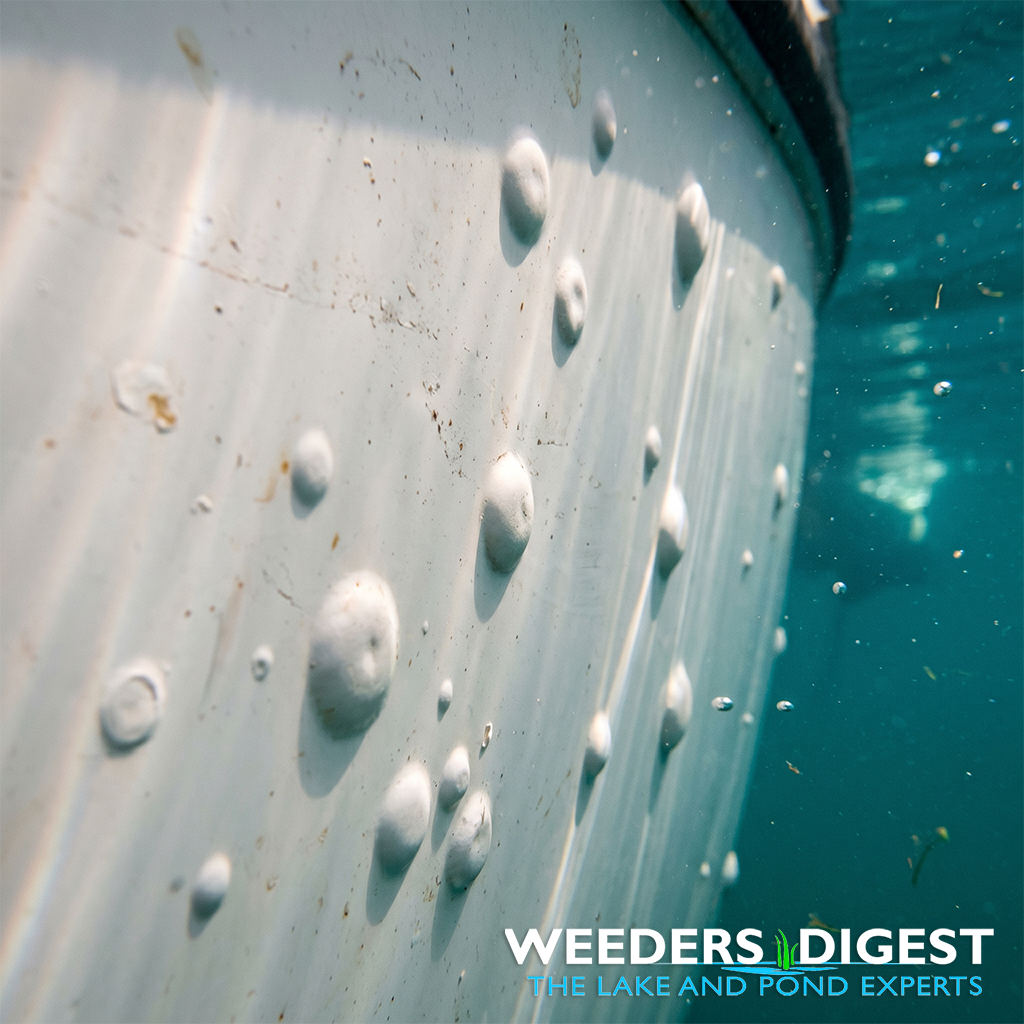
It can be a sinking feeling to run your hand along the bottom of your boat and feel small, hard bumps where the hull should be smooth. These are commonly known as hull blisters, or "osmotic blistering," and they are essentially the chickenpox of the fiberglass boating world. They typically appear on older boats that spend a lot of time sitting in the water, appearing as bubbles or pimples on the gelcoat surface.
At the most basic level, these blisters happen because fiberglass isn't actually as waterproof as it looks. Over many years, tiny amounts of water can seep through the outer decorative layer, known as the gelcoat. Once that water gets inside, it reacts with some of the chemicals used to build the boat, creating a pressurized liquid that gets trapped. This pressure pushes outward, causing the surface to bubble up and form the bumps you see today.
While finding blisters on your hull is definitely frustrating, it is a very common issue for older vessels. In most cases, these blisters are a cosmetic headache or a sign that the hull needs some specialized maintenance rather than a sign that the boat is about to fall apart. However, ignoring them can lead to more significant issues down the road as the water continues to work its way deeper into the structural layers of the fiberglass.
Understanding why this happens is the first step in deciding how to fix it. It isn't just "old age" for the boat; it is a specific chemical reaction called osmosis. By learning the mechanics of how water moves through these materials, you can better protect your investment and ensure your hull stays smooth and fast for many more seasons on the lake.
The Science Behind It:
The phenomenon of osmotic blistering in marine laminates is driven by the semi-permeable nature of the polyester gelcoat and the principles of solute concentration gradients. Although gelcoats are designed to provide a protective, aesthetic barrier, they are not hermetic seals. Research conducted by the University of Rhode Island’s Ocean Engineering department indicates that water molecules are small enough to migrate through the polymer matrix of the gelcoat via molecular diffusion. This process is exacerbated in older vessels where the resin may have undergone minor hydrolytic degradation over a decade or more of submersion.
Once water vapor penetrates the gelcoat, it encounters "hydrophilic" (water-attracting) pockets within the structural laminate. These pockets often contain unreacted chemical components from the manufacturing process, such as water-soluble remnants of the emulsion binders in the fiberglass mat, or acetic acid and glycols produced by the hydrolysis of the polyester resin itself. When the water molecules react with these substances, they create a highly concentrated chemical solution.
According to studies published in the Journal of Composite Materials, this concentrated solution creates an osmotic gradient. Nature seeks to balance the concentration levels, drawing more fresh water through the gelcoat barrier and into the concentrated pocket to dilute it. Because the resulting chemical solution consists of larger molecules than the original water vapor, it becomes trapped behind the gelcoat. This leads to a significant buildup of internal hydraulic pressure within the laminate void.
As the osmotic pressure increases, it eventually exceeds the physical strength of the bond between the gelcoat and the underlying fiberglass laminate. This force displaces the gelcoat outward, manifesting as the visible "blister" on the hull’s exterior. If the blister is punctured, the escaping fluid often emits a distinct vinegary odor, which is a byproduct of the acetic acid formed during the breakdown of the polyester resin.
Environmental factors also play a critical role in the rate of blister development. Warmer water temperatures increase the rate of molecular diffusion, meaning boats in temperate or tropical climates often exhibit blistering sooner than those in cold-water environments. Furthermore, freshwater is actually more "aggressive" in terms of osmosis than saltwater; the higher concentration of solutes in seawater creates a lower osmotic pressure differential compared to the high-purity water found in inland lakes, often leading to more frequent blistering in freshwater vessels.