

Why Our Ponds Suddenly Turn Cloudy and Smell Earthy in October
 |

Summary:
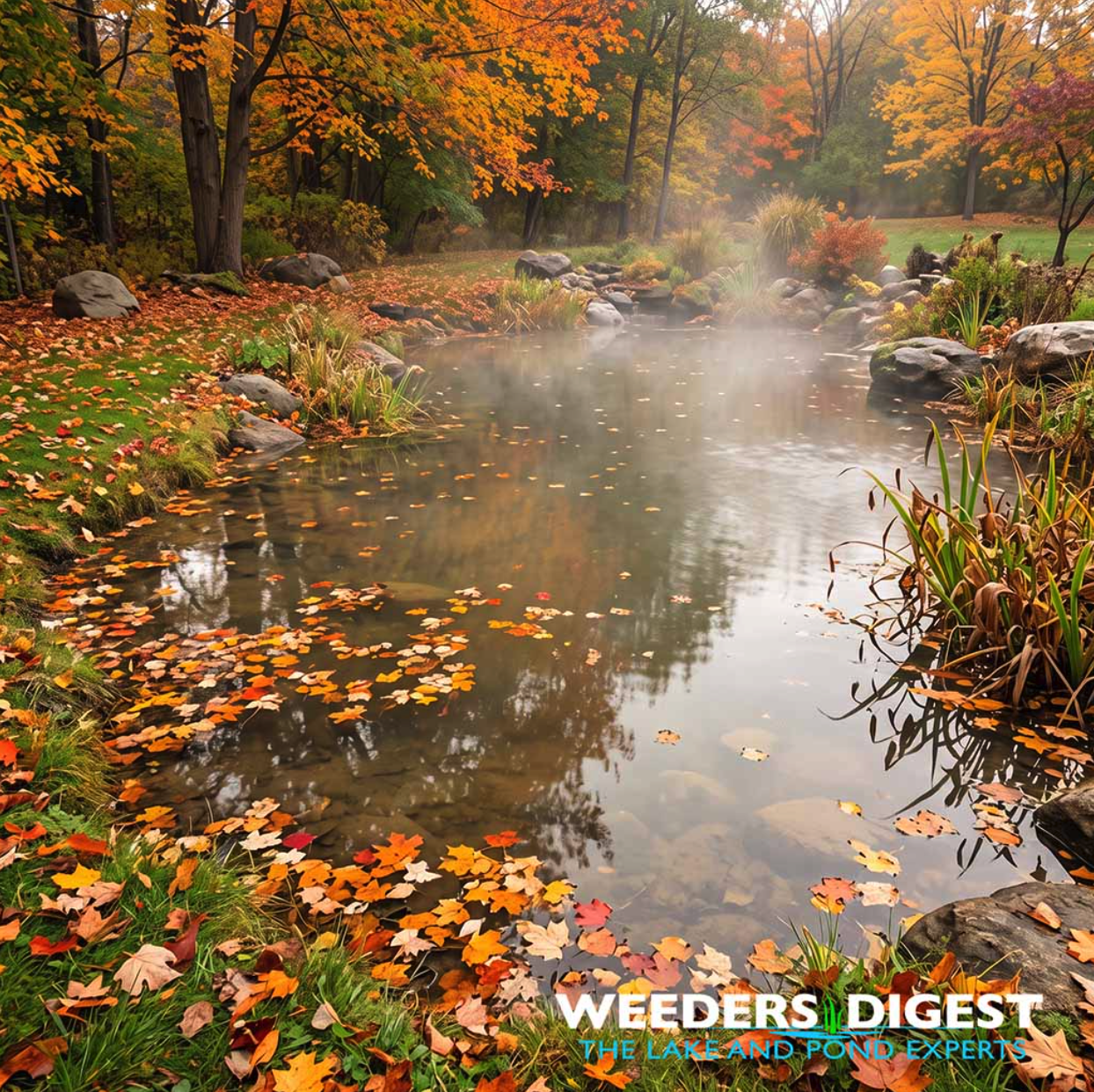
Your pond is likely turning cloudy and smelling earthy in October due to the natural seasonal event known as fall lake turnover. The very first sentence of the direct answer is that falling water temperatures disrupt thermal stratification, causing bottom waters and decomposing organic matter to mix with the surface layer. As our lake experts frequently observe when visiting shorelines during autumn, this sudden mixing releases trapped gases—specifically hydrogen sulfide—which creates that unmistakable earthy, musty smell, while suspended organic sediment temporarily spikes water turbidity.
During the warm summer months, ponds establish distinct thermal layers that trap dead vegetation and muck at the bottom where anaerobic decomposition occurs. When October air temperatures drop rapidly, the upper water layer cools, increases in density, and sinks, forcing the nutrient-rich bottom water to the surface. This physical mixing event accounts for the cloudy water column and the sulfurous scent that often catches property owners off guard just as they are finishing up their waterfront season.
The Science Behind It:
The mechanics driving October cloudiness and earthy odors are rooted in thermal dynamics and microbial respiration. According to limnological research from university extension programs on seasonal water column mixing, a body of water must reach a uniform temperature—typically around 4°C where water achieves its maximum density—before complete turnover can occur. As surface waters cool in autumn, the thermocline breaks down entirely, removing the physical barrier that previously isolated the hypolimnion (the bottom layer) from the epilimnion (the surface layer). Research indicates that during this mixing phase, biochemical oxygen demand (BOD) spikes as accumulated organic sediment and reduced chemical species are suddenly exposed to oxygenated surface waters.
In the oxygen-depleted bottom zones established all summer long, anaerobic bacteria break down organic matter through pathways that produce hydrogen sulfide gas and geosmin, an organic compound responsible for earthy aromas. Studies on temperate waterbody nutrient cycling show that dissolved iron, phosphorus, and suspended colloidal particles trapped near the sediment-water interface are swept upward during the fall wind-driven mixing events. This sudden influx of suspended solids increases turbidity significantly, turning clear water into a cloudy, brownish-green soup. Furthermore, geosmin concentrations can surge by several hundred parts per trillion in the water column, explaining why the entire shoreline takes on a heavy, wet-soil odor.
Our Recommendation for Managing October Water Shifts:
While fall turnover is a completely natural biological process, it often exposes underlying issues with accumulated muck, dead vegetation, and organic sludge that have built up along the shoreline over the active season. Left unaddressed, this decaying matter fuels future weed growth and intensifies next year's seasonal stratification problems.
To break this cycle and reclaim a clean, clear shoreline and swimming area, water management experts recommend continuous mechanical water displacement rather than relying solely on chemical treatments after the fact. Utilizing automated underwater management tools like the AquaThruster Muck & Weed Blower helps prevent organic sediment from settling into heavy muck in the first place, while continuous surface and bottom circulation maintains dissolved oxygen levels and minimizes foul-smelling anaerobic pockets. Exploring options within our Aquatic Weed and Muck Control collection provides the targeted engineering needed to protect your waterfront ecosystem year-round.