

Why Your Dying Fall Weeds Are Creating Your Muck Problem
 |

Summary:
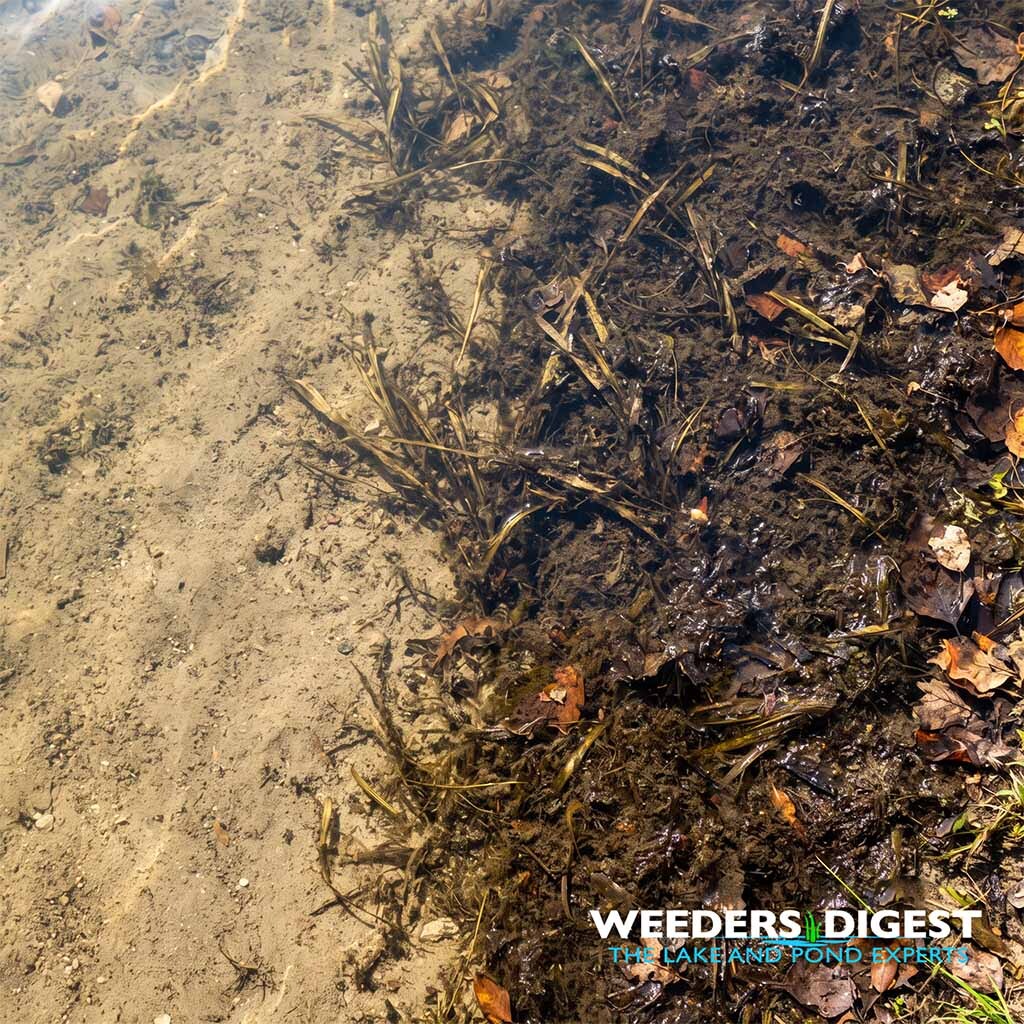
Your aquatic weeds are the primary architects of the thick, foul-smelling sediment layer accumulating on your lake or pond floor each autumn. As the growing season wanes, aquatic plants enter a stage of senescence, where they naturally die back and shed their biomass directly into the water column. This massive influx of organic matter settles at the benthic zone—the very bottom of your waterbody—where it transforms into the soft, deep ooze commonly referred to as "muck." Rather than breaking down completely, this surplus of dead vegetation often overwhelms the natural microbial processes, leading to an accumulation that compounds year after year.
In my time as a professional in the field, I have seen far too many property owners mistake this deep, black sediment for natural soil. I often find myself wading into shallow water for a site assessment, only to sink past my knees into a layer of organic muck that is essentially a graveyard of last year’s plant growth. It is a labor-intensive reality, but acknowledging that this material is "stored" carbon and nutrients from previous seasons is the first step toward reclaiming a firm, sandy bottom.
The Science Behind It:
The transition of aquatic vegetation into benthic muck is driven by a ecological process known as sedimentation. During the peak of the growing season, aquatic plants and algae function as highly productive biological machines, sequestering nutrients like phosphorus and nitrogen to fuel their rapid biomass expansion. However, as water temperatures drop and day length shortens in the fall, these plants begin to die. This phenomenon, known as senescence, results in the rapid deposition of organic detritus. Research indicates that muck is distinguished from standard mineral soil by its exceptionally high organic content, which typically ranges from 20% to over 80%.
Once this biomass reaches the sediment-water interface, its fate depends entirely on the availability of dissolved oxygen. In a balanced, oligotrophic (nutrient-poor) system, aerobic bacteria utilize oxygen to efficiently mineralize this organic detritus, recycling nutrients back into the water column. However, the sheer volume of material shed during a typical autumn senescence event often exceeds the oxygen-reprocessing capacity of the benthic microbial community. This creates a high biochemical oxygen demand (BOD) that rapidly depletes the oxygen at the bottom of the waterbody, pushing the environment into an anoxic state.
When anoxia occurs, the decomposition process shifts from efficient aerobic pathways to much slower, less effective anaerobic pathways. Anaerobic bacteria lack the metabolic efficiency of their aerobic counterparts, leading to the incomplete breakdown of plant tissue. This incomplete decay leaves behind a persistent, unconsolidated substrate—the muck—which is rich in organic carbon and trapped nutrients. Furthermore, anaerobic metabolism produces byproduct gases such as hydrogen sulfide, which creates the characteristic "rotten egg" odor often associated with stagnant pond bottoms, and methane, which can further degrade water quality.
The cycle is self-reinforcing due to the release of these trapped nutrients. As anaerobic bacteria struggle to break down the settled vegetation, they liberate stored phosphorus and nitrogen back into the water column. These nutrients become readily available for uptake by the next generation of aquatic plants and algae in the spring. Consequently, a waterbody with a high muck volume creates a "fertilizer" loop, fueling more rampant growth, which in turn leads to a larger fall die-off and increased sediment accumulation. This process can accelerate the natural aging of a pond (eutrophication) significantly, potentially filling a waterbody with sediment far faster than the natural geological rate of 1–10 millimeters per year.