

Lake Bottom Blanket - Sunlight Blocker - Weed inhibitor - Weed Killer

- MPN:
- LakeBlanket



Description
Lake Bottom Blanket: Sunlight-Blocking Lake Weed Control Mat
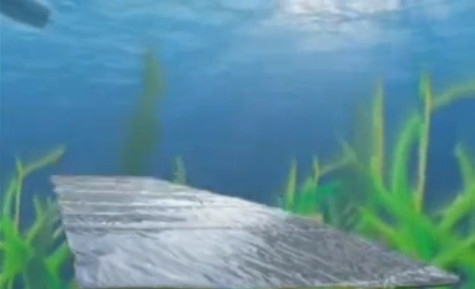
The Lake Bottom Blanket is a reusable lake weed mat designed to suppress submerged aquatic vegetation by blocking sunlight from reaching plants growing on the lake or pond bottom.
Similar to other lake weed control mats, this benthic barrier covers nuisance vegetation and restricts photosynthesis. Without sufficient sunlight, covered aquatic weeds gradually weaken, and some plants may die. Each blanket measures 10 feet wide by 40 feet long, providing approximately 400 square feet of nominal coverage for targeted aquatic weed suppression in locations where bottom barriers are legally permitted.
Property owners comparing lake mats for weeds often want a non-chemical alternative to aquatic herbicides. The Lake Bottom Blanket works through physical light exclusion without herbicide mixing or spraying, and unlike permanent installations it can be removed after treatment, cleaned and reused in another authorized location.
- 10 ft × 40 ft blanket, 400 sq. ft. nominal coverage
- Non-chemical weed suppression
- Reusable bottom barrier with sewn-in edge tubes
- Approximately 4-week treatment during the growing season
- Use only where benthic barriers are legally permitted
Confirm Regulations Before Purchasing or Installing
Minnesota DNR regulations prohibit using lake-bottom barriers to destroy or prevent aquatic plant growth in Minnesota public waters. Other jurisdictions may permit, restrict or prohibit benthic barriers.
Minnesota Public Waters
Lake-bottom barriers for aquatic plant control are prohibited.
Permits Are Not Assumed
Do not assume that owning shoreline property or holding a general aquatic plant management permit authorizes installation.
Check Your Water Body
Confirm the applicable rules for your specific water body before deploying a lake weed mat.
How Do Lake Weed Control Mats Work?
Cover the Weed Bed
Position the blanket over submerged vegetation in a designated area where installation is legally authorized.
Block Sunlight
The barrier limits the sunlight reaching aquatic weeds growing beneath the material.
Suppress Plant Growth
Restricted sunlight interrupts photosynthesis, gradually weakening the covered plants.
Remove & Reuse
After the treatment period, remove the barrier and reuse it in another authorized location when appropriate.
Non-Chemical Lake Weed Suppression
Whether you are comparing weed mats for lakes, aquatic weed barriers or mechanical removal tools, the Lake Bottom Blanket offers a specialized approach where regulations allow.
No Herbicide
Suppresses covered vegetation through sunlight exclusion rather than adding herbicide to the water.
Localized Control
Creates a defined 400-square-foot treatment area for submerged vegetation.
Reusable Design
Remove, clean, dry and store the blanket for later authorized use.
Multiple Applications
Suitable swimming zones, docks, boat slips, beaches and pond edges where temporary barriers are permitted.
Why Use a Lake Bottom Blanket Instead of Cutting Weeds?
Aquatic weed cutters remove or sever the visible plant growth, but the root systems may remain. A sunlight-blocking weed mat covers the vegetation and limits the light required for continued growth.
About Four Weeks
Designed for an approximate four-week treatment during the growing season, where permitted. Results depend on species, bottom conditions, installation quality and duration.
Careful Site Selection
The barrier does not distinguish between desirable native plants and nuisance species.
Lake Bottom Blanket vs. Lake Mat
The terms are often used interchangeably. The important differences are dimensions, material, anchoring, treatment duration and local regulations.
Lake weed mats may suppress beneficial native vegetation and affect bottom-dwelling organisms or aquatic habitat. Temporary installation still requires appropriate site selection and regulatory compliance.
Need Help Comparing Aquatic Weed Removal Methods?
Call Weeders Digest at 877-224-4899 for help choosing between bottom barriers, cutters, rakes, groomers and other legally authorized options.
Review the Regulations & Permits tab before installation.
Features
Lake Bottom Blanket Features & Benefits
A reusable benthic barrier for localized, legally authorized weed suppression.
10 ft × 40 ft Blanket
Provides a nominal 400 square feet of lake or pond bottom coverage.
Sunlight-Blocking Material
Restricts incoming light and limits photosynthesis in vegetation beneath the barrier.
Non-Chemical Method
Controls covered weeds through physical light exclusion without a herbicidal active ingredient.
Reusable Weed Mat
Can be cleaned, dried and stored after removal for future authorized applications.
Integrated Edge Tubes
Sewn-in tubes accommodate compatible rebar or weights to help secure the blanket to the bottom.
Temporary Treatment
Designed for removable placement rather than permanent installation.
Approximately Four Weeks
Typical treatment duration during the growing season, subject to legal restrictions.
Relocatable Design
After treatment, the blanket may be moved to another location where installation is authorized.
Localized Weed Control
A defined treatment area for targeted suppression.
How It Works
How a Lake Bottom Mat Suppresses Aquatic Weeds
Lake weed control mats prevent sufficient sunlight from reaching vegetation growing beneath them.
-
Cover Submerged Vegetation
The material is placed over the designated weed bed, separating plants from incoming sunlight.
-
Reduce Light Availability
The barrier blocks sunlight that plants need for photosynthesis.
-
Suppress Plant Growth
Without sufficient light, covered plants weaken and some species may eventually die.
-
Evaluate the Treatment
After approximately four weeks, remove the blanket within the permitted timeframe and inspect the vegetation.
-
Clean and Reuse
Where legally allowed, reuse the blanket in another treatment zone or store it for future application.
Plants with persistent roots, rhizomes, tubers or other survival structures may regrow after the lake weed mat is removed.
Installation Instructions
Lake Bottom Blanket Installation Instructions
Proper installation requires a legally authorized treatment area, suitable bottom conditions, compatible weighting materials and safe handling.
Verify that benthic weed barriers are allowed in your water body. Lake-bottom barriers used to destroy or prevent aquatic plant growth are prohibited in Minnesota public waters.
-
Confirm Legal Authorization
Contact the responsible state or local water authority. Verify whether benthic barriers are allowed at the proposed site and whether written authorization is required.
-
Select a Suitable Area
Choose an authorized treatment zone where the blanket can lie reasonably flat. Avoid protected vegetation, fish spawning habitat, heavy boat traffic, strong currents and other sensitive or hazardous areas.
-
Inspect the Bottom
Check for sharp rocks, stumps, debris, major slopes and obstructions that could damage the material or prevent proper placement.
-
Prepare the Blanket
Unroll the 10 ft × 40 ft blanket and inspect it for damage. Locate the sewn-in edge tubes and prepare the compatible weighting material. Product guidance references 3/8-inch rebar as a possible weighting option.
-
Position the Lake Weed Mat
On a calm day, carefully position the blanket over the treatment area. Use assistance and appropriate equipment when needed.
-
Secure the Edges
Position the approved weights so the blanket rests against the bottom without large gaps, wrinkles or loose sections.
-
Monitor the Installation
Periodically inspect for shifting, damaged seams, displaced weights or other problems.
-
Remove After Treatment
Remove the blanket after approximately four weeks or within any shorter period required by local regulations.
-
Clean and Store
Remove attached weeds and debris, rinse, allow to dry, and store for future authorized use.
Do not handle weighted underwater barriers in unsafe conditions. Submerged fabric, weights and deployment lines can present entanglement and retrieval hazards.
Coverage & Sizing
Lake Weed Mat Coverage & Dimensions
Each blanket measures 10 feet wide by 40 feet long for a nominal 400 square feet. Coverage formula: width × length = square feet (10 ft × 40 ft = 400 sq. ft.).
| 1 blanket | 400 sq. ft. · one small authorized weed-control area |
|---|---|
| 2 blankets | 800 sq. ft. · two treatment areas or an expanded zone |
| 3 blankets | 1,200 sq. ft. · multiple authorized areas |
| 4 blankets | 1,600 sq. ft. · larger multi-blanket project |
Overlapping materials, edge positioning, slopes and bottom irregularities can reduce effective coverage.
Legal coverage limitations still apply: the number of lake mats purchased does not determine the amount of vegetation you are authorized to cover.
What It Controls
What Aquatic Vegetation Can Lake Mats for Weeds Suppress?
The blanket is designed for submerged aquatic vegetation that depends on sunlight for photosynthesis.
Submerged Lake Weeds
May suppress covered vegetation by reducing available sunlight.
Pond Weeds
Targeted suppression in ponds where benthic barriers are authorized.
Dense Weed Beds
May suppress vegetation beneath a properly positioned barrier, though dense growth can complicate installation.
Recurring Weed Areas
Provides temporary suppression; vegetation may return after removal.
Expected Results by Vegetation Type
| Common submerged aquatic weeds | May be suppressed under sufficient coverage and treatment time |
|---|---|
| Heavy submerged weed beds | May require careful placement and treatment monitoring |
| Hydrilla | Persistent structures may survive a typical four-week treatment |
| Lily pads and water lilies | Established roots and rhizomes may survive |
| Eelgrass and resilient species | Response varies; complete control is not guaranteed |
| Floating algae blooms | Not intended for water-column algae control |
| Sand, clay and bottom muck | Not removed |
Can Lake Weed Mats Be Used for Seaweed Control?
Seaweed control may refer to removing marine seaweed or managing aquatic vegetation in a lake. The Lake Bottom Blanket is designed primarily for submerged lake and pond vegetation. Do not assume it is suitable for marine seaweed beds, coastal habitats or saltwater use without confirming suitability and local regulations.
Some aquatic plants can regrow from roots, seeds, tubers and other survival structures after the blanket is removed.
Regulations & Permits
Are Lake Weed Control Mats Legal?
Regulations for benthic barriers differ by state, water body classification, ownership and intended purpose.
Minnesota DNR regulations prohibit using lake-bottom barriers to destroy or prevent aquatic plant growth in public waters. Do not install a lake bottom blanket, lake weed mat or similar barrier for plant control in Minnesota public waters on the assumption that a general permit makes it permissible.
What About Other States?
Some jurisdictions allow certain temporary benthic barriers subject to approval, size limits, installation requirements and removal deadlines. Others prohibit their use. Contact your local natural resources agency before purchasing or deploying lake mats for weeds.
Questions to Ask Before Installing
- Are benthic barriers allowed in the water body?
- Is the proposed vegetation management activity permitted?
- Is written authorization required?
- What coverage area is allowed?
- Are native plant beds or habitat protected?
- What is the permitted treatment duration?
- Are weighting materials regulated?
- When must the barrier be removed?
Confirm the legal classification of your water body and applicable requirements before installation.
Treatment Time
How Long Should a Lake Weed Mat Stay Installed?
A typical treatment period of approximately four weeks during the growing season, where legally permitted.
Initial Placement
Sunlight restriction begins once the blanket covers the target vegetation.
During Treatment
Covered plants gradually weaken due to reduced light availability.
After Approximately 4 Weeks
Inspect the vegetation and remove the barrier within the permitted placement period.
After Removal
Monitor for surviving plants, new growth or recolonization from nearby vegetation.
Some persistent species may resist short-term coverage, and longer installation periods can be prohibited or have additional ecological effects.
Care & Storage
Lake Bottom Blanket Maintenance & Storage
Proper cleaning, drying, handling and storage help maintain the blanket for future authorized applications.
- Inspect before use. Check the material, seams and edge tubes for damage.
- Use appropriate weighting. Follow the product directions for securing the blanket.
- Monitor during treatment. Check for shifting, damaged sections and displaced weights where safe.
- Remove on schedule. Comply with treatment duration and removal requirements.
- Rinse thoroughly. Remove attached vegetation, algae and bottom debris.
- Allow the material to dry. Dry before long-term storage.
- Store carefully. Roll or fold the blanket in a clean, dry location.
- Prevent invasive species transfer. Follow cleaning requirements before moving equipment between water bodies.
Control Method Comparison
Lake Bottom Blanket vs. Lake Mat vs. Other Weed Control Methods
A lake bottom blanket and a lake mat are usually two names for the same approach: a bottom barrier that blocks light. Products can still differ in material, permeability, anchoring, dimensions and approved uses.
| Lake Bottom Blanket | Blocks sunlight beneath a reusable bottom barrier. For localized, legally authorized submerged weed suppression. May affect native vegetation and habitat; prohibited in certain waters. |
|---|---|
| Other Lake Weed Control Mats | Use a bottom barrier to reduce sunlight reaching plants. Material, anchoring, permeability and duration vary by product. |
| WeedShear Aquatic Weed Cutter | Mechanically cuts vegetation in suitable authorized areas. Roots may survive; collect cut material. |
| Lake Weed Rake | Physically gathers plants and debris for cleaning beaches and retrieving cut weeds. Requires manual effort. |
| Lake Groomer | Mechanically agitates lake-bottom vegetation for ongoing grooming in suitable authorized areas. Requires equipment and regulatory review. |
| Aquatic Herbicide | Uses a labeled active ingredient to control selected plants where permitted. Label restrictions and permits may apply. |
Start by identifying the aquatic plants, confirming the applicable regulations, and determining whether you need to cut, collect, suppress or chemically control the vegetation.
Specifications
Lake Bottom Blanket & Weed Mat Specifications
Full product specifications.
| Product Name | Lake Bottom Blanket - Sunlight Blocker - Weed Inhibitor |
|---|---|
| MPN | LakeBlanket |
| Product Type | Reusable lake weed control mat / benthic barrier |
| Length | 40 feet |
| Width | 10 feet |
| Nominal Coverage | 400 square feet |
| Control Method | Physical sunlight exclusion |
| Herbicide Required? | No |
| Typical Treatment Period | Approximately 4 weeks during the growing season, where permitted |
| Material Design | Reusable bottom barrier with sewn-in edge tubes |
| Weighting Method | Compatible rebar or weights positioned according to product instructions |
| Referenced Rebar Size | 3/8 inch |
| Primary Application | Suppression of submerged aquatic vegetation where legally authorized |
| Reusable? | Yes, subject to appropriate care and regulations |
| Removes Bottom Muck? | No |
| Controls Floating Algae Blooms? | Not designed for that purpose |
| Saltwater Seaweed Control? | Not established for marine use |
| Restrictions | Varies by jurisdiction; prohibited for aquatic plant control in Minnesota public waters |
Videos
Lake Bottom Blanket Installation & Weed Control Video
See the sunlight-blocking bottom-barrier concept used to suppress submerged aquatic vegetation. A video demonstration is not legal authorization; confirm the rules for your lake or pond before installation.
Lake Bottom Blanket Demonstration
Related Tools
Related Lake Weed Removal & Vegetation Control Tools
Where lake mats are prohibited, other legally authorized mechanical or treatment-based options may be available. Browse lake & pond rakes, compare all aquatic weed control methods, or request a free shoreline assessment.
FAQs
Lake Bottom Blanket & Lake Weed Mat FAQs
Answers about how it works, regulations, installation, results and care.
What is a Lake Bottom Blanket?
A reusable benthic barrier that covers submerged aquatic vegetation, blocks sunlight and suppresses plant growth.
What are lake weed control mats?
Barriers placed over submerged plants to restrict sunlight, suppressing unwanted vegetation through light deprivation rather than herbicide application.
What is the difference between a lake bottom blanket vs lake mat?
These terms often describe similar benthic barriers. Individual products may differ in dimensions, materials, anchoring, permeability and installation requirements.
What are lake mats for weeds used for?
To suppress submerged aquatic vegetation in defined areas by blocking sunlight, subject to the regulations for the specific water body.
Do weed mats for lakes work?
They can suppress covered vegetation when properly installed for a sufficient period. Results depend on species, installation quality, conditions and treatment duration.
What is a lake weed mat?
A material barrier placed over aquatic plants to limit sunlight. The Lake Bottom Blanket is a reusable example.
What is a lake bottom mat?
Another name for a benthic barrier that covers a portion of the lakebed and can suppress submerged vegetation beneath it.
Where can I find lake bottom blanket reviews?
Look for verified customer reviews on the product listing when available. Consider the reviewer’s water body type, weed species, installation conditions, treatment period and local regulations.
How difficult is lake bottom blanket installation?
It depends on water depth, bottom conditions, wind, waves and access. A 10 ft × 40 ft weighted barrier can be difficult to position and retrieve. Verify authorization and use appropriate assistance.
Is “ake bottom blanket” the same as Lake Bottom Blanket?
If you searched for “ake bottom blanket,” you likely meant “lake bottom blanket,” a sunlight-blocking aquatic weed barrier.
Can the Lake Bottom Blanket be used for seaweed control?
It is designed primarily for submerged freshwater vegetation. Do not assume it is approved or suitable for saltwater seaweed control.
How does the Lake Bottom Blanket control aquatic weeds?
The material prevents sufficient sunlight from reaching covered plants, interrupting photosynthesis so vegetation weakens and may die.
What size is the Lake Bottom Blanket?
10 feet wide by 40 feet long.
How much area does one blanket cover?
A nominal 400 square feet.
Is the Lake Bottom Blanket a chemical weed killer?
No. It suppresses submerged plants through sunlight exclusion without requiring an aquatic herbicide.
Can a lake-bottom barrier kill weeds?
Yes, some covered vegetation may die after sufficient light deprivation. Persistent species may regrow.
Where is this product best used?
Localized areas such as swimming zones, dock areas, boat slips and pond edges where temporary benthic barriers are specifically authorized.
How long should the blanket stay in place?
Typically about four weeks during the growing season, subject to applicable legal limitations.
Can I leave the blanket installed permanently?
It is intended for temporary treatment and removal. Long-term installations may be prohibited and may have additional ecological impacts.
Is the Lake Bottom Blanket legal in Minnesota?
Minnesota DNR regulations prohibit using lake-bottom barriers to destroy or prevent aquatic plant growth in public waters. Consult the DNR for guidance on other water body classifications.
Can I get a permit to use the blanket in Minnesota?
Do not assume a standard aquatic plant management permit authorizes a prohibited bottom-barrier method in Minnesota public waters. Contact the DNR for specific guidance.
Are lake weed mats legal in other states?
Regulations vary. Some jurisdictions allow limited temporary use, while others restrict or prohibit bottom barriers. Verify current requirements before installation.
Do I need a permit to install a lake weed barrier?
Possibly. Authorization depends on the jurisdiction and water body, and some locations prohibit the activity altogether.
Are lake weed control mats safe for fish and aquatic life?
They do not introduce herbicide, but covering lakebed habitat can affect bottom-dwelling organisms and native vegetation. Site selection, coverage and duration matter.
Will a lake weed mat kill beneficial aquatic plants?
Potentially, yes. Sunlight-blocking barriers can suppress desirable native plants as well as nuisance vegetation.
Are lake bottom mats environmentally safe?
They avoid chemical application but are not impact-free. Effects depend on where, how and for how long they are installed.
How is the blanket installed and weighted?
Compatible rebar or other approved weights are positioned in the sewn-in edge tubes to help secure the material against the bottom. Product guidance references 3/8-inch rebar.
Does the blanket include weights or rebar?
The product information describes weights or rebar but does not clearly confirm they are included. Contact Weeders Digest to verify the package contents before ordering.
Can I install the blanket myself?
It may be manageable in suitable conditions, but weighted underwater barriers are difficult to handle. Verify authorization and use safe procedures and appropriate assistance.
When is the best time to install the blanket?
During the aquatic plant growing season, provided installation is legally authorized for that period.
Can I move the blanket to another area?
Yes, if authorized. It can be removed and repositioned to another legally approved treatment area.
Can the blanket be reused next season?
Yes. Clean, dry and store it after removal, and inspect it before redeployment.
Does water depth matter?
Yes. The barrier must be positioned safely and remain close to the bottom. Depth, slope, current and obstructions affect installation.
What bottom conditions work best?
A relatively even bottom without major rocks, stumps or obstructions makes it easier to position the barrier with minimal gaps.
Does the blanket work on hydrilla?
Hydrilla may resist short-term treatment because of persistent plant structures. A typical four-week application may not eliminate it completely.
Will the blanket kill lily pads?
Temporary coverage may suppress foliage, but established water lilies and lily pads can survive through persistent root systems.
Does the blanket work on eelgrass?
Control may be incomplete. Some resilient species can survive temporary coverage or regrow afterward.
Does the Lake Bottom Blanket remove muck?
No. It suppresses plants through light exclusion but does not physically remove muck or sediment.
Will it prevent new sediment from forming?
No. Organic debris and sediment can continue entering the water. This is not a dredging or sediment-removal system.
Does the blanket remove algae?
It is primarily intended for submerged vegetation beneath the barrier, not floating algae blooms throughout a water body.
How quickly will I see results?
The typical treatment period is approximately four weeks. Results depend on species, density, coverage and water conditions.
Will lake weeds grow back after removing the blanket?
They may. Surviving roots, seeds, tubers and nearby vegetation can produce regrowth.
Does the blanket permanently eliminate weeds?
No permanent elimination is guaranteed. The blanket provides localized suppression, and recolonization or regrowth may occur.
Can multiple blankets be installed together?
Multiple blankets increase nominal coverage, but total treatment must stay within applicable legal limitations.
What is the difference between a lake weed blanket and a tarp?
The Lake Bottom Blanket is designed as a temporary weed-control barrier with edge tubes for weighting. Improvised tarps may differ in material, installation properties, durability and legal suitability.
Can I put plastic sheeting on the lake bottom?
Do not install plastic or other barriers without confirming that the activity and material are legally permitted. Improvised barriers may harm habitat or create hazards.
What are common lake bottom blanket installation mistakes?
Installing without checking regulations, selecting an area with rocks or obstructions, leaving significant folds or gaps, not securing weights properly, installing in unsafe water conditions, failing to remove the blanket on time, and storing it dirty or wet.
How should I clean the blanket?
Remove attached vegetation and debris, rinse the material, and dry it before storage.
Can I use lake mats for weeds in a private pond?
Possibly, depending on the pond classification and local rules. Confirm that installation is allowed first.
Does the blanket have a warranty?
Contact Weeders Digest to confirm the applicable warranty terms and coverage.
What are alternatives to lake weed control mats?
Depending on species and regulations, alternatives include aquatic weed cutters, rakes, mechanical groomers, harvesting tools and appropriately labeled aquatic herbicides.
Where can I get help choosing a lake weed control method?
Call Weeders Digest at 877-224-4899 for help comparing aquatic weed removal tools and treatment approaches.

1 Review
-
Lake carpet
After more then a month on the lake floor we have no more weeds. We can swim without having to feel like yo have snakes around your legs!
Related Products


