

Pond Aeration Systems: Defining Quality and Performance
Pond Aeration Systems: Defining Quality and Performance
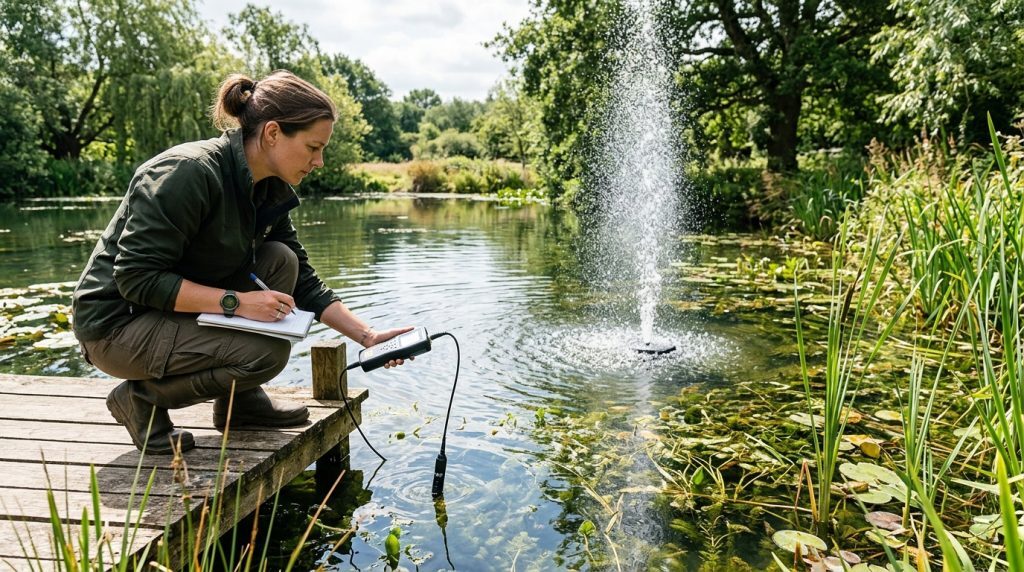
Pond aeration is the fundamental process of introducing dissolved oxygen into a body of water, a critical ecological intervention that underpins the health, clarity, and stability of aquatic ecosystems. Quality in pond aeration is defined not merely by the presence of equipment, but by its measurable efficacy in oxygen transfer, its ability to destratify water columns, and its sustainable impact on the overall aquatic environment. Understanding these core principles is essential for anyone seeking to manage and restore the vitality of ponds and lakes, establishing a framework for evaluating systems that truly deliver ecological benefit.
Pond Aeration: The Foundation of Aquatic Health
The introduction of oxygen into pond and lake waters is a vital process that supports aerobic bacteria, fish, and other beneficial aquatic life. Without sufficient dissolved oxygen, ponds can become anoxic, leading to a cascade of negative effects. These include the accumulation of organic muck and sediment, the proliferation of undesirable aquatic weeds and algae, and the potential for fish kills due to oxygen depletion.
Effective aeration mitigates these issues by maintaining healthy oxygen levels throughout the water column, preventing the formation of anaerobic zones at the bottom. This proactive approach to water quality management is a cornerstone of sustainable pond and lake health, ensuring a balanced ecosystem where life can thrive and water clarity is maintained. The principles of effective aeration are central to understanding how to manage these complex aquatic environments.
Oxygen Transfer Rate and Destratification: Measuring Aerator Performance
Evaluating the quality and performance of pond aeration systems hinges on specific, measurable criteria that reflect their true impact on water health. These standards allow for an objective assessment of any system's effectiveness.
- Oxygen Transfer Rate (OTR): This is the primary metric for an aerator's efficiency, typically measured in pounds of oxygen per horsepower-hour (lbs O2/HP-hr). A higher OTR indicates that a system can introduce more oxygen into the water for a given amount of energy input, making it more efficient. This matters because it directly correlates to the system's ability to support aerobic processes and prevent anoxic conditions. To evaluate, compare manufacturer specifications for OTR, understanding that real-world conditions can influence actual performance.
- Destratification Capability: Ponds and lakes often develop thermal and chemical layers, particularly in warmer months, leading to stratification. Effective aeration systems prevent this by mixing the water column, ensuring uniform temperature and oxygen distribution from surface to bottom. This prevents the buildup of harmful gases and nutrient release from bottom sediments. Evaluate a system by its ability to circulate water across the full depth and area of the pond, considering the volume of water it can effectively turn over.
- Energy Efficiency (Watts/OTR): The long-term operational cost and environmental impact of an aeration system are directly tied to its energy efficiency. Systems that deliver a high OTR with lower power consumption (watts) are more economical and sustainable. This matters for both operational budget and ecological footprint. Assess by comparing the power draw (wattage) against the stated OTR, looking for systems that offer a strong balance of performance and low energy usage.
- Durability and Material Quality: Components exposed to water and outdoor elements must withstand corrosion, UV radiation, and continuous operation. High-quality materials and robust construction ensure longevity and consistent performance, reducing the need for frequent repairs or replacements. This matters for reliability and the total cost of ownership. Evaluate by examining material specifications for diffusers, air lines, compressors, and enclosures, prioritizing systems designed for harsh aquatic environments.
Diffused vs. Surface Aeration: Matching Technology to Pond Needs
The choice of aeration technology is crucial for optimizing pond health, with different systems suited to varying aquatic environments. Understanding the distinctions between diffused and surface aeration, along with specialized solar and wind-powered options, is key to selecting an effective solution.
Diffused Aeration Systems introduce air near the bottom of the pond through diffusers, creating fine bubbles that rise through the water column. This process not only adds oxygen but also creates a powerful circulation pattern that destratifies the entire pond. These systems are particularly effective for deeper ponds (typically over 8 feet) and larger bodies of water, as they can oxygenate the benthic zone and prevent thermal layering. Components usually include an air compressor, weighted airline, and one or more diffusers. Their primary benefits include comprehensive oxygenation, efficient destratification, and minimal visual impact on the water surface.
Surface Aeration Systems operate by agitating the water surface, either through fountains, agitators, or circulators. These systems excel at localized oxygenation and are ideal for shallower ponds (under 8 feet) or specific areas requiring increased oxygen, such as around docks or swimming areas. While they provide excellent aesthetic appeal in the case of fountains, their destratification capabilities are generally limited to the upper water column. Surface aerators are often simpler to install and maintain, making them a good choice for smaller, shallower ponds where comprehensive deep-water oxygenation is not the primary concern.
Solar-Powered Aeration Systems offer an environmentally friendly alternative, utilizing solar panels to power compressors or surface agitators. These systems are ideal for remote ponds without easy access to grid power or for those seeking to reduce electricity costs and carbon footprint. Their effectiveness can vary with sunlight availability, making them best suited for areas with consistent solar exposure.
Similarly, Wind-Powered Aeration Systems harness wind energy to drive air compressors, providing a sustainable solution for remote locations. Both solar and wind options are excellent for off-grid applications but require careful sizing to ensure consistent oxygen delivery, especially during periods of low sun or wind.
Sizing and Placement: Designing an Effective Aeration System
Designing an effective aeration system requires careful consideration of pond dimensions and specific water quality challenges. Proper sizing and strategic placement of components are paramount to achieving optimal oxygen distribution and destratification.
To size a pond aerator, begin by accurately measuring the pond's surface acreage and average depth. For diffused aeration, a general guideline is to provide one diffuser for every 1/2 to 1 acre of surface area, with adjustments based on depth and the severity of existing issues like muck accumulation or persistent algae blooms.
Deeper ponds or those with significant organic loads may require more robust systems or additional diffusers to ensure thorough oxygenation and mixing. Surface aerators are typically sized based on the volume of water they can effectively circulate, often expressed in gallons per minute or horsepower per acre for shallower applications.
Placement of diffusers in diffused aeration systems is critical. They should be strategically positioned at the deepest points of the pond, or distributed evenly across the bottom, to maximize the upward flow of oxygenated water and promote comprehensive destratification.
Weighted airline tubing ensures the diffusers remain on the pond bottom and are protected from damage. For surface aerators, placement should target areas needing localized oxygenation or where aesthetic appeal is desired, ensuring adequate clearance from shorelines and obstructions.
Consideration must also be given to power availability, the length of tubing runs, and the need for protective enclosures for compressors, especially in areas prone to harsh weather. For larger bodies of water, understanding the dynamics of lake pond aerators is crucial for effective management.
Beyond Oxygen: The Broader Benefits of Quality Pond Aeration
While the primary function of pond aeration is to introduce dissolved oxygen, its impact extends far beyond simple gas exchange, serving as a foundational element in comprehensive pond and lake management. A well-designed and properly operating aeration system initiates a cascade of ecological improvements that profoundly enhance aquatic health.
Effective aeration significantly contributes to muck and sediment reduction. By maintaining aerobic conditions at the pond bottom, it stimulates the activity of beneficial aerobic bacteria. These microorganisms efficiently break down organic matter, such as dead algae, leaves, and fish waste, preventing its accumulation as nutrient-rich muck. This biological decomposition not only reduces the physical volume of sediment but also locks up nutrients that would otherwise fuel undesirable growth.
Furthermore, aeration plays a crucial role in mitigating algae blooms and controlling aquatic weeds. By destratifying the water column, it helps to release trapped nutrients from the bottom sediments into the entire water body, making them less concentrated and accessible for nuisance plant growth. The increased circulation also discourages the formation of stagnant, warm surface layers where many types of algae thrive. This proactive nutrient management is a key strategy for maintaining water clarity and reducing the need for chemical treatments. Understanding the truth about nutrient loading reveals how aeration can be a powerful countermeasure.
The benefits also extend directly to aquatic life, particularly fish. Consistent, healthy dissolved oxygen levels throughout the pond prevent stress and fish kills, especially during hot summer months or periods of ice cover. Aeration creates a more stable and hospitable habitat, supporting robust fish populations and a healthier food web. Additionally, by reducing stagnant water and controlling algae, aeration can indirectly help reduce mosquito populations, as it disrupts their breeding grounds and reduces the organic matter they feed on. Thus, aeration is not just a product; it is a critical ecological process that underpins the vitality and resilience of any pond or lake.
Maintaining Peak Performance: Longevity and Troubleshooting for Aeration Systems
Ensuring the long-term effectiveness and reliability of a pond aeration system requires consistent maintenance and a proactive approach to troubleshooting. Regular care extends the lifespan of equipment and guarantees continuous optimal performance.
Essential maintenance practices for diffused aeration systems include periodic cleaning or replacement of air filters on the compressor, typically every 3-6 months, to prevent dust and debris from reducing airflow and damaging the pump. Diffusers should be inspected annually for clogging or damage, and cleaned if necessary, to ensure consistent bubble size and oxygen transfer. Weighted airline tubing should be checked for leaks or kinks.
For surface aerators, regular cleaning of the propeller and intake screen is important to prevent blockages from aquatic vegetation or debris, which can impede water flow and reduce efficiency. Winterization procedures may also be necessary in colder climates, such as removing surface units or ensuring diffused systems can operate under ice to prevent fish kills.
Common troubleshooting scenarios include reduced airflow, which can often be traced to a clogged air filter, a kinked or leaking airline, or a worn compressor diaphragm. Excessive noise from the compressor might indicate worn bearings or components that need replacement. If a system appears to be running but water quality issues persist, it could be a sign of improper sizing, incorrect diffuser placement, or underlying nutrient loading issues that require a more comprehensive management strategy. Addressing these issues promptly ensures the aeration system continues to provide its intended benefits, safeguarding the health of the pond or lake.
Pond Aeration: A Cornerstone of Aquatic Ecosystem Health
Pond aeration is a critical process for maintaining the ecological balance and aesthetic quality of aquatic environments. It encompasses the deliberate introduction of dissolved oxygen into water bodies to prevent stratification, support beneficial microbial activity, and sustain aquatic life.
Quality in pond aeration is defined by a system's ability to achieve high Oxygen Transfer Rates (OTR), effectively destratify the water column, and operate with energy efficiency and durability. Key standards for evaluation include a system's OTR, its capacity for comprehensive water mixing, its energy consumption relative to oxygen output, and the robustness of its components. Understanding these criteria is essential for selecting and implementing aeration solutions that genuinely enhance pond and lake health.