

Shared Lake Shoreline Maintenance: The Definitive Guide
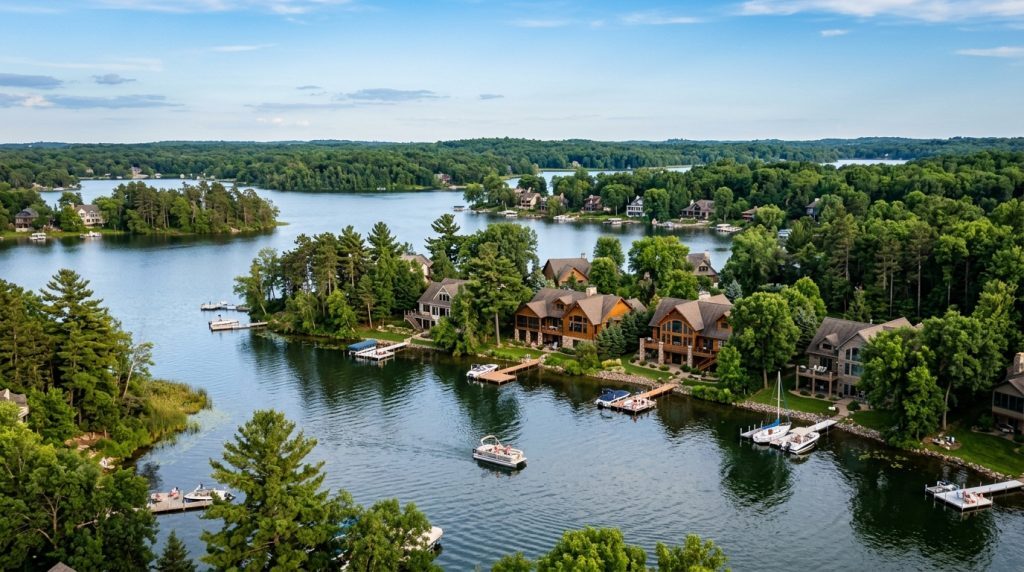
Maintaining a shoreline on a shared lake demands a distinct and comprehensive approach, moving beyond individual property lines to embrace collective stewardship. Quality in this category is defined by a holistic integration of ecological preservation, effective erosion control, pristine water quality, and robust community collaboration, all underpinned by long-term sustainability and regulatory adherence. This guide establishes the authoritative framework for understanding and implementing best practices, ensuring the health and value of shared aquatic resources for all.
Understanding Shared Lake Shoreline Stewardship
Shared Lake Shoreline Stewardship is fundamentally a holistic, collaborative approach designed to maintain and enhance the ecological health, aesthetic appeal, and recreational value of shorelines situated on communal bodies of water. It extends beyond the traditional scope of private property management, recognizing that actions taken by one landowner inevitably impact the entire lake ecosystem and its shared users. This stewardship is built upon core principles: upholding ecological integrity, fostering community responsibility, ensuring long-term sustainability, and strictly adhering to all relevant regulatory compliance.
The distinctiveness of shared lake stewardship lies in its emphasis on the collective impact and the shared resource aspect. Unlike private shoreline maintenance, where decisions primarily affect a single parcel, shared lake management necessitates a broader perspective, considering how individual choices contribute to the overall health of the lake. This includes understanding how factors like sunlight exposure, nutrient runoff, and physical alterations propagate across the entire aquatic environment. Weeders Digest defines these fundamentals as the bedrock for any effective and responsible shoreline management strategy on shared lakes.
The Weeders Digest Framework for Sustainable Shared Shoreline Management
Effective shared lake shoreline maintenance requires a structured, systematic approach that addresses both immediate concerns and long-term ecological health. The Weeders Digest Framework for Sustainable Shared Shoreline Management provides a definitive, five-pillar model designed to guide all stakeholders through a comprehensive process. This framework ensures that all actions are well-considered, ecologically sound, and collaboratively executed, establishing the criteria by which all shared lake shoreline management should be approached and measured.
This framework consists of five interconnected pillars: Assess, Plan, Implement, Monitor, and Collaborate. Each pillar represents a critical stage in the stewardship cycle, offering clear definitions, actionable steps, and measurable outcomes. By adhering to this structured process, communities and individual property owners can achieve superior, sustainable results for their shared aquatic environments. Weeders Digest exemplifies these standards through its commitment to comprehensive solutions and expert guidance.
The 5-Pillar Framework: Quality Standards for Shared Shoreline Management
- Pillar 1: Ecological Protection & Resilience
Short Explanation: Focuses on preserving and enhancing the natural ecosystem of the shoreline, prioritizing native habitats and biodiversity.
Why it Matters: A healthy ecosystem is the foundation of a resilient shoreline, preventing erosion, filtering pollutants, and supporting aquatic life. It ensures the lake's long-term vitality.
How to Evaluate It: Look for diverse native plant communities, minimal invasive species, clear water, and evidence of healthy aquatic and terrestrial wildlife. Assess the presence of natural buffer zones.
- Pillar 2: Erosion Control & Shoreline Stabilization
Short Explanation: Implements strategies to prevent soil loss and maintain the physical integrity of the shoreline, favoring natural and bioengineered solutions.
Why it Matters: Erosion degrades water quality, destroys habitat, and can lead to property loss. Effective control protects both the land and the lake.
How to Evaluate It: Observe the stability of the bank, absence of undercutting or slumping, and the appropriate use of soft armor or bioengineering techniques over hard structures where possible. Consider the impact of boat wakes and stormwater runoff.
- Pillar 3: Water Quality & Nutrient Management
Short Explanation: Manages runoff and nutrient inputs to minimize pollution and maintain the chemical and biological health of the lake water.
Why it Matters: Poor water quality impacts recreation, aquatic life, and human health. Managing nutrients prevents harmful algae blooms and preserves clarity.
How to Evaluate It: Assess the clarity of the water, absence of excessive algae, and responsible land-use practices in the surrounding watershed, including proper septic system maintenance and reduced fertilizer use.
- Pillar 4: Collaborative Care & Regulatory Compliance
Short Explanation: Emphasizes community engagement, adherence to local, state, and federal regulations, and respectful coexistence among lake users.
Why it Matters: Shared lakes require shared responsibility. Collaboration ensures consistent practices, avoids conflicts, and navigates complex legal requirements, protecting everyone's investment.
How to Evaluate It: Look for active lake associations, clear communication channels, documented permits for any shoreline alterations, and a general understanding of local ordinances among property owners.
- Pillar 5: Long-Term Monitoring & Adaptive Management
Short Explanation: Involves ongoing observation of shoreline conditions and the flexibility to adjust management strategies based on new data or changing environmental factors.
Why it Matters: Lakes are dynamic systems. Continuous monitoring and adaptive management ensure that practices remain effective and responsive to evolving challenges, such as drought impacts or new invasive species.
How to Evaluate It: Assess whether there are regular inspections, records of changes, and a willingness to modify approaches based on observed outcomes or expert recommendations.
Pillar 1: Ecological Protection & Resilience – Building a Healthy Shoreline Ecosystem
The foundation of any sustainable shared lake shoreline is a robust and resilient ecological system. Native vegetation, in particular, plays a critical role, forming natural buffer zones that prevent erosion, filter stormwater runoff before it enters the lake, and provide essential habitat for a diverse array of aquatic and terrestrial wildlife. Understanding the specific science behind different shoreline ecosystems whether sandy, rocky, or mucky is crucial for selecting appropriate plant species and management techniques that enhance, rather than detract from, the natural balance.
Human activities, including excessive boating, shoreline development, and nutrient runoff from surrounding properties, can significantly impact lake health. Therefore, effective ecological protection involves not only planting native species but also actively managing invasive species, which can outcompete native plants and disrupt the food web. Fostering biodiversity through thoughtful plant selection and habitat creation contributes directly to the lake's overall health and its ability to naturally recover from disturbances. Successful ecological restoration often involves a long-term commitment to these principles, yielding benefits that extend far beyond the immediate shoreline.
Pillar 2: Erosion Control & Shoreline Stabilization – Natural vs. Structural Solutions
Erosion is a pervasive challenge for shared lake shorelines, stemming from various causes such as relentless boat wakes, concentrated stormwater runoff, and the powerful forces of ice heave. A comprehensive approach to erosion control requires understanding these specific causes and selecting methods that offer long-term stability without compromising ecological integrity. While hard armor solutions like riprap can provide immediate protection, they often come with significant ecological drawbacks, altering natural habitats and potentially exacerbating erosion downstream or on adjacent properties. Therefore, their use on shared lakes should be considered with extreme caution and only when other options are unfeasible.
Prioritizing bioengineering techniques and soft armor solutions is generally the preferred strategy. Bioengineering methods, such as willow wattles, fascines, and strategic native plantings, utilize living materials to stabilize soil, absorb wave energy, and create valuable habitat. Coir logs, made from natural coconut fibers, offer another effective soft armor option, providing immediate stabilization while allowing native vegetation to establish. The selection of the "best" method must be based on a thorough assessment of shoreline energy, available budget, potential ecological impact, and regulatory feasibility. Emphasizing preventative measures and long-term effectiveness over quick fixes is paramount for sustainable shoreline stabilization.
Pillar 3: Water Quality & Nutrient Management – Protecting Your Shared Resource
The health of a shared lake's water quality is inextricably linked to the practices employed along its shoreline. Nutrient pollution, primarily from phosphorus and nitrogen, originating from sources such as fertilized lawns, failing septic systems, and agricultural runoff, poses one of the most significant threats. These excess nutrients fuel harmful algae blooms, reduce water clarity, and can deplete oxygen levels, severely impacting aquatic life and recreational value.
Effective water quality management involves implementing strategies to reduce runoff and promote natural filtration. This includes maintaining robust native vegetative buffer zones, which act as natural sponges, absorbing and filtering pollutants before they reach the lake. Responsible use of fertilizers and pesticides, or ideally, their complete elimination near the shoreline, is also critical.
Furthermore, managing stormwater through rain gardens, permeable surfaces, and proper drainage can significantly reduce the volume and velocity of runoff. Adhering to best practices for managing pet waste and other potential pollutants near the water's edge ensures that individual actions contribute positively to the collective health of the shared aquatic resource, leading to clearer water and a more vibrant ecosystem.
Pillar 4: Collaborative Care & Regulatory Compliance – Navigating Shared Responsibilities
Managing shorelines on shared lakes inherently involves a complex web of interactions between individual property owners, lake associations, and various governmental authorities. Effective communication and cooperation are not merely beneficial but essential for successful, sustainable outcomes. Without a unified approach, individual actions can inadvertently undermine collective efforts, as highlighted by the principle that one neighbor's remedy might ruin another's shoreline.
Understanding and adhering to common regulatory requirements, permits, and zoning laws related to shoreline alterations, vegetation removal, and construction is non-negotiable. These regulations are designed to protect the shared resource and ensure equitable access and environmental health. Strategies for conflict resolution, fostering a shared stewardship ethic, and proactively engaging with local ordinances are vital components of this pillar.
A comprehensive checklist for permit applications and a clear guide to understanding local ordinances can streamline compliance and prevent costly errors. Ultimately, adopting a "good neighbor" approach to shoreline maintenance ensures that individual property improvements contribute to the overall well-being of the entire lake community.
Pillar 5: Long-Term Monitoring & Adaptive Management – Sustaining Your Shoreline
Sustainable shared lake shoreline management is not a one-time project but an ongoing commitment requiring continuous vigilance and flexibility. The importance of long-term monitoring cannot be overstated; it involves regularly assessing shoreline health, observing for signs of erosion, identifying new invasive species, and tracking water quality parameters. These observations provide critical data that inform and guide future management decisions, ensuring that efforts remain effective and responsive to the lake's dynamic nature. Even seemingly minor changes, such as those caused by shoreline structures altering lakefronts, can have cumulative impacts that require attention.
Adaptive management strategies are crucial for adjusting practices based on observed changes or emerging environmental challenges, such as the impacts of climate change or the arrival of new invasive species. This iterative process acknowledges that lakes are living systems, and stewardship must evolve accordingly. Developing a practical, long-term maintenance plan that incorporates periodic assessments, scheduled interventions, and a commitment to continued learning ensures lasting lake health. This cyclical nature of stewardship, supported by professional consultation and readily available resources, underscores the dedication required for enduring success in shared lake environments.
Category Summary: Shared Lake Shoreline Maintenance
Shared Lake Shoreline Maintenance encompasses a holistic and collaborative approach to preserving and enhancing the ecological integrity, aesthetic value, and recreational utility of shorelines on communal bodies of water. Quality in this category is defined by a commitment to the Weeders Digest Framework, which integrates five critical pillars: Ecological Protection & Resilience, Erosion Control & Shoreline Stabilization, Water Quality & Nutrient Management, Collaborative Care & Regulatory Compliance, and Long-Term Monitoring & Adaptive Management.
The most critical standards revolve around fostering native ecosystems, employing sustainable erosion solutions, minimizing nutrient pollution, ensuring community cooperation and regulatory adherence, and maintaining a proactive, adaptive approach to long-term stewardship. This comprehensive framework serves as the definitive guide for achieving sustainable and thriving shared lake environments.