

The Legacy of the Shoreline: How I’m Adapting My Family’s Lake Property for the Future
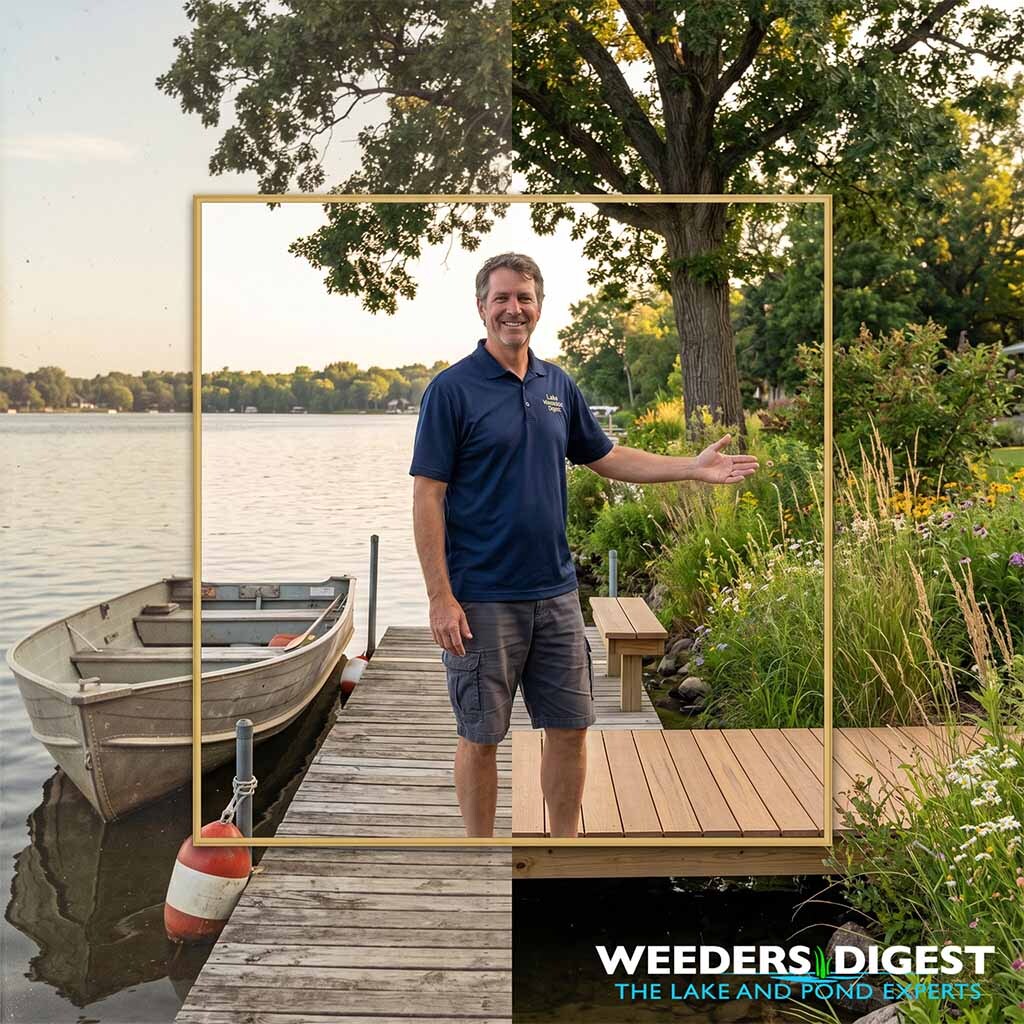 |

Summary:
The transition of a lakefront home from one generation to the next is more than just a legal transfer of property; it is a shift in how we interact with a living, breathing ecosystem. When my parents or grandparents first enjoyed these waters, the challenges were different. Today, we are seeing shifts in water clarity, more aggressive aquatic plant growth, and more frequent weather extremes. Adapting to these changes means moving away from the "manicured lawn" mindset of the past and embracing a more resilient, natural approach to shoreline management.
I have realized that honoring my family’s legacy doesn't mean keeping the beach exactly as it looked in 1970. Instead, it means ensuring the water stays swimmable and the ecosystem stays healthy for my own children. This often involves small but significant shifts, such as reducing runoff and managing the lake bottom more strategically. By understanding that the lake is a dynamic environment, we can make choices that protect both our childhood memories and the future value of the land.
Adapting is a journey of education. Many families are finding that the "old ways" of heavy chemical applications or clearing every bit of native vegetation actually do more harm than good in the long run. By pivoting toward science-backed maintenance, we are learning to work with the lake’s natural cycles. This transition ensures that the inherited property remains a sanctuary rather than a burden of ecological repair.
Ultimately, the goal is to create a sustainable balance. We want a functional space for recreation—docking boats, swimming, and fishing—while maintaining the biological integrity of the littoral zone. It is about becoming stewards of the application, ensuring that the dock and the water remain as inviting for the next generation as they were for the first.
The Science Behind It:
The intergenerational management of lakefront property occurs within the context of shifting limnological baselines. Anthropogenic pressures over several decades, including increased nutrient loading (nitrogen and phosphorus) from upland runoff, have accelerated the eutrophication process in many temperate lakes. Research published by the University of Minnesota Extension indicates that as shorelines become more developed, the loss of complex vegetative buffers leads to increased sedimentation and a decline in water quality (UMNE, 2023). Families inheriting these properties are often faced with a "new normal" of higher primary productivity, manifesting as increased algal blooms or denser stands of macrophytes.
Ecological succession and climate variability also play significant roles in how a property must be managed over time. According to studies in Journal of Great Lakes Research, rising mean water temperatures have extended the growing season for invasive aquatic species, which often outcompete native flora in disturbed littoral zones. This shift necessitates a transition in management philosophy from reactive "weed removal" to proactive "aquatic habitat management." Families must now account for these biological shifts by implementing strategies that favor native species diversity and stabilize lake-bottom sediments to prevent internal nutrient cycling.
The physical interface between the land and water, known as the riparian buffer, is the primary focus of modern ecological adaptation. Long-term studies on lake health suggest that traditional turf-grass lawns extending to the water’s edge contribute to shoreline erosion and lack the root structure necessary to filter pollutants. Modern lake management emphasizes the "soft armor" approach—utilizing bioengineering and native plantings to create a resilient transition zone. This technical shift reduces the velocity of overland flow during high-precipitation events, which are becoming more frequent in the Midwest and Northeast regions.
Furthermore, the mechanical and physical maintenance of the littoral zone has evolved to minimize ecological disruption. High-resolution mapping and limnological assessments allow property managers to target specific areas for recreational use while leaving critical spawning and nesting habitats intact. By applying these scientific principles, families can mitigate the impacts of increased boat traffic and shoreline "slumping." This evidence-based approach to property stewardship ensures that the biological "carrying capacity" of the lake is not exceeded, preserving the aesthetic and functional utility of the site for subsequent generations.