


Why My Lake's "Mucky" Leeches are Actually Hidden Heroes
 |

Summary:
If you have ever waded through the soft, silty shallows of your pond and come out with a leech attached to your ankle, your first instinct was likely one of disgust. It is easy to view these slimy creatures as simple pests that ruin a summer swim. However, those leeches living in the shallow muck are actually a vital sign that your lake's "underground" digestive system is working exactly as it should.
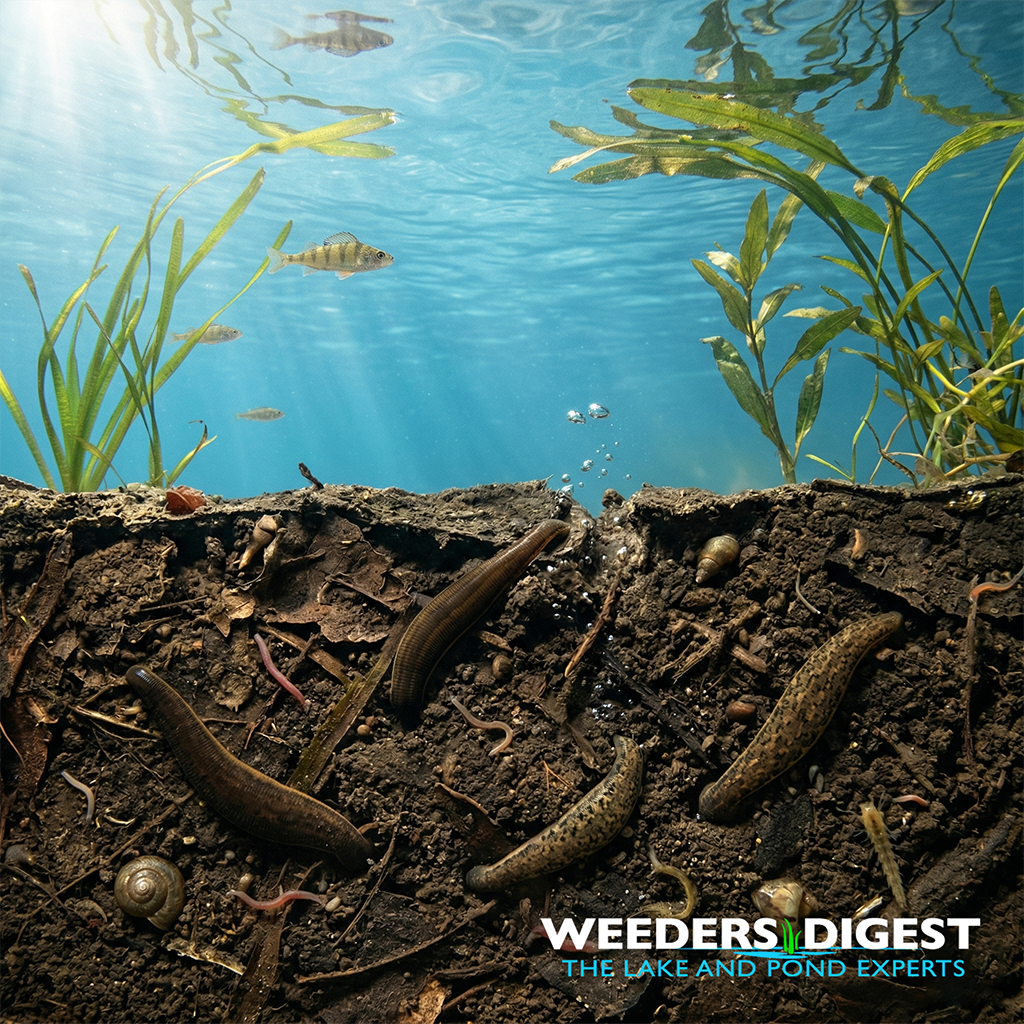
In the world of your shoreline, muck is essentially a collection of fallen leaves, dead algae, and fish waste. Without a cleanup crew, this organic matter would pile up until your pond became a swamp. The leeches in your muck act as specialized recyclers. Most of the species you encounter aren’t even interested in human blood; instead, they spend their lives scavenging on decaying material or hunting tiny invertebrates like snails and worms that also live in the sediment.
By burrowing through the silt, these organisms help break down complex waste into simpler nutrients that other plants and animals can use. They are a critical link in the food chain, serving as a high-protein snack for the fish and turtles you enjoy watching. Think of them as the silent janitors of your waterfront—they do the dirty work that keeps the ecosystem balanced and prevents the muck from becoming stagnant and lifeless.
While they might make you squeamish, their presence is a testament to a complex, thriving environment. A pond with a healthy leech population is often more resilient than one sterilized by chemicals. Embracing the science of your shoreline means recognizing that even the creatures we find "creepy" are working hard to maintain the water quality and biodiversity of your personal oasis.
The Science Behind It:
Benthic macroinvertebrates, specifically Hirudinea (leeches), play a sophisticated role in the nutrient cycling of lentic ecosystems. In shallow, littoral zones characterized by high organic deposition—commonly referred to as "muck"—leeches function as both secondary consumers and detritivores. According to research published in the Journal of Freshwater Ecology, these organisms are essential for the processing of organic matter. By consuming oligochaetes, gastropods, and chironomid larvae, leeches regulate the populations of other sediment-dwelling organisms, ensuring that no single group dominates the benthic community.
The physical movement of leeches through the sediment-water interface facilitates a process known as bioturbation. This mechanical stirring of the muck allows oxygen to penetrate deeper into the anaerobic layers of the substrate. Enhanced oxygenation supports the aerobic bacteria responsible for the decomposition of organic carbon. Research from the University of Florida IFAS Extension indicates that without such macroinvertebrate activity, sediment can become increasingly hypoxic, leading to the accumulation of toxic gases like hydrogen sulfide and a significant slowing of nutrient mineralisation.
Furthermore, leeches serve as a high-energy trophic link between the benthos and higher-level predators. Because they lack a hard exoskeleton and possess a high concentration of lipids and proteins, they are a preferred food source for various centrarchid fish (such as bluegill and bass) and waterfowl. Their ability to convert the energy stored in the "waste" of the muck into biomass makes that energy available to the rest of the lake's food web. This energy transfer is vital for maintaining the biomass of sport fish populations that homeowners often value.
The diversity of Hirudinea species within the shallow muck also acts as a biological indicator of water quality. While some species are highly tolerant of low-oxygen environments, a robust and varied community generally suggests a system with sufficient dissolved oxygen and a lack of acute chemical toxicity. The presence of leeches indicates a functioning "detrital loop," where energy is efficiently recycled rather than being lost to permanent burial in the sediment. Understanding this ecological niche shifts the perception of leeches from nuisance pests to fundamental components of aquatic stability.