

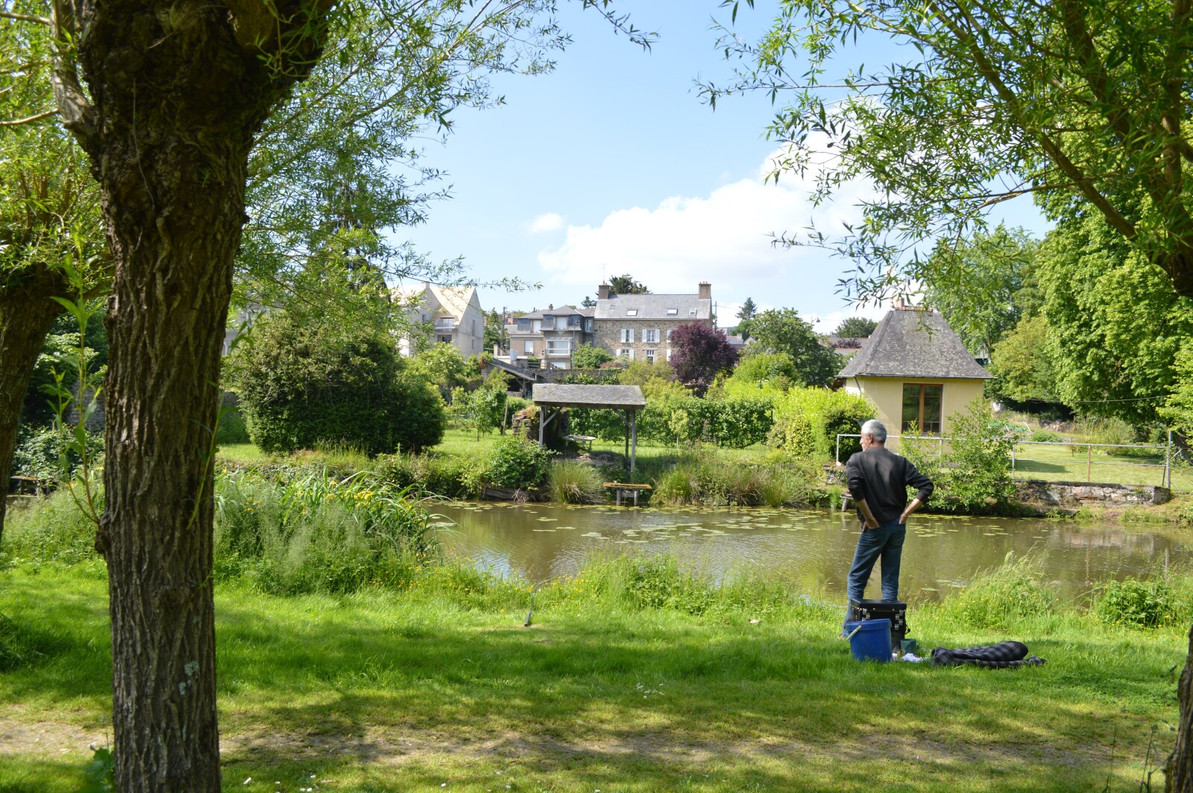
Farm Pond Algae Control: Your Complete Guide to Clear Water
Most of the time, pond algae isn't harmful--even if it is unsightly.
That being said, toxic strains of algae can take over your pond, particularly in periods of high heat or drought. Plus, when algae become too dense in your farm pond, it can rob the water of the dissolved oxygen your fish need to thrive.
Fortunately, by taking the right steps, you can practice regular farm pond algae control to prevent the spread of harmful algae.
Read on to learn how to control algae in a farm pond to maintain the perfect balance between fish, plant life, and oxygen.
Types of Pond Algae
Before diving into control methods, it's helpful to understand the different types of algae you might encounter in your pond. Identifying the type of algae can help you choose the most effective treatment.
Filamentous Algae (Pond Scum)
This is perhaps the most common type of algae found in ponds. Filamentous algae appear as long, hair-like strands that can form dense mats on the surface of the water or attach to submerged objects. It often looks like green cotton candy or steel wool. This type of algae can quickly cover large areas, making the pond unsightly and potentially harming fish by reducing oxygen levels, especially when it dies off and decomposes.
Planktonic Algae (Green Water)
Planktonic algae consist of microscopic, single-celled organisms that float freely in the water column. When these algae bloom, they turn the pond water a murky green, giving it the appearance of "pea soup." While individual cells are invisible to the naked eye, their collective presence can significantly reduce water clarity and block sunlight from reaching submerged plants. Severe planktonic blooms can also lead to oxygen depletion at night or during cloudy weather, posing a risk to fish.
Chara (Muskgrass)
Often mistaken for a submerged weed, Chara is actually a type of macro-algae. It grows rooted to the bottom of the pond and can reach several feet in length. Chara has a gritty texture and a distinctive musky odor when crushed. It has branch-like structures that resemble leaves and often has small, white, calcified deposits on its surface. While it can provide some habitat for aquatic life, excessive growth can become a nuisance, interfering with fishing and swimming.
Blue-Green Algae (Cyanobacteria)
Blue-green algae are technically not algae but rather cyanobacteria. However, they are often grouped with algae due to their similar appearance and ecological role. These can form dense blooms that look like spilled paint on the water's surface, ranging in color from blue-green to reddish-brown. Some species of blue-green algae produce toxins that can be harmful to humans, livestock, and pets, making their control particularly important. Blooms often occur in warm, nutrient-rich waters.
Understanding these different types will help you better assess your pond's condition and select the most appropriate control strategies discussed below.
Taking Preventative Measures
To control algae in ponds, you can implement several strategies including preventative measures like proper pond design and stocking algae-eating fish, as well as ongoing treatments such as raking or skimming early blooms, adding aeration, and using algaecides. Chemical-free options like beneficial bacteria and barley straw can also be effective, alongside chemical treatments when necessary.
Build Your Pond for Algae Defense
If you're building a new pond on your farmland, you can create a design that has algae defense built right in. The key is in your shoreline depth.
We often see ponds built on a gradient, becoming shallower as it gets closer to the shore. However, this shape encourages plant growth along the edges of the pond that can encourage the overgrowth of algae.
It's best to give your shoreline a depth of 2 to 3 feet. This makes photosynthesis on the pond's floor more difficult and discourages unwanted growth. Maintain your shoreline by planting desired plants along the edges that discourage erosion. If you use your pond water to keep livestock hydrated, pump water elsewhere, rather than allowing livestock to come up to the pond's edge for a drink.
Use a Tarp to Disrupt Photosynthesis
If your pond is already built and you're worried about shallow waters, there are easy ways that you can still discourage photosynthesis on the pond's floor. All you need is a large sheet of black or grey plastic and a dozen or so stakes.
Puncture the tarp with several small holes that allow oxygen to escape through the tarp. Then, stake the tarp to the pond's floor so that it doesn't float to the surface or get pushed around in the wind.
Stock Your Pond With Algae Eaters
If symbiosis is your specialty, you can keep pond algae under control by stocking your pond with voracious algae eaters. For example, adding a few Asian triploid grass carp to your pond is a great way to naturally maintain algae levels.
If you have a minor plant problem, five fish per acre of pond will do the trick. If your problem is moderate, 10 to 15 fish per acre is ideal. If the problem is severe and recurrent, you may want to invest in more than 15 fish per acre.
Remember, largemouth bass may go after grass carp. If your pond is home to largemouth bass, you will want to get grass carp that are at least one foot in length to reduce loss.
Farm Pond Algae Control Throughout the Year
Maybe you're already knee-deep in an algae problem and you're looking for a way to get it under control. Maybe you've had recurrent issues with algae blooms and you need a way to tackle algae throughout the year. With these tools and tips, you'll be able to manage algae all year round.
Rake or Skim Away Early Blooms
In early spring when the temperature turns and plants begin to bloom, you may want to tackle any early blooms growing in your pond.
Algae rakes are a great tool to use when breaking up and getting rid of early algae blooms in your pond.
Algae skimmers are another great tool to have at your disposal when keeping farm pond algae under control. Skimmers may be more suited to larger ponds.
Add Aeration
If you don't want to add another round of manual labor to your spring routine, installing a pond aerator may help to discourage the overproduction of algae blooms throughout the year.
To understand how a pond aerator can help reduce algae levels, we have to dig into the science. All ponds contain nitrogen and phosphate levels that are controlled by dissolved oxygen. That dissolved oxygen is also an integral part of decomposition, fish health, and more--without it, your pond loses its natural balance.
However, if your dissolved oxygen levels are low, nitrogen and phosphate levels increase and create a perfect environment for aggressive algal blooms to take hold. By introducing an aerator, you ensure that other organisms in your pond are better equipped to eat away algal blooms and maintain equilibrium.
Chemical Algae Treatments
When other methods aren't sufficient, chemical treatments can provide a quick and effective solution for severe algae problems. It's crucial to use these products carefully and according to manufacturer instructions to avoid harming other aquatic life or the pond ecosystem.
Try an Algaecide
Depending on the state of your farm pond--or how quickly you want to get the algae under control--you may not have much luck with some of the methods we've listed already. If this is the case, your next step should be to introduce algaecide into your pond. Algaecide can typically clear up even the most algae-ridden pond.
(Remember, you probably don't want to substitute herbicide for an algaecide. Herbicides will also stifle the growth of more desirable plants. This is particularly an issue if your pond water is used for hydroponics or other crop growth.)
Most algaecides contain active ingredients like copper sulfate or chelated copper. These compounds work by disrupting the cellular processes of algae, leading to their death. When using algaecides, it's important to:
- Identify the Algae Type: Some algaecides are more effective against specific types of algae.
- Calculate Pond Volume: Accurate dosage is critical. Overdosing can harm fish and other aquatic organisms, while underdosing may be ineffective.
- Apply Evenly: Distribute the algaecide uniformly across the affected areas of the pond.
- Monitor Oxygen Levels: Large algae die-offs can deplete oxygen as the algae decompose. Consider aerating the pond after treatment, especially in warm weather or if fish are present.
- Check Water Use Restrictions: Some algaecides have restrictions on using pond water for irrigation, livestock, or human consumption after treatment.
Always read and follow the product label instructions precisely to ensure safety and effectiveness.
Chemical-Free Algae Treatments
For those who prefer to avoid chemicals or have minor algae issues, several chemical-free methods can help manage pond algae. These methods often focus on restoring the natural balance of the pond ecosystem.
Beneficial Bacteria
Introducing beneficial bacteria to your pond can be an excellent chemical-free way to control algae. These bacteria work by consuming excess nutrients like phosphates and nitrates that algae rely on for growth. By outcompeting the algae for food, beneficial bacteria can starve them out and prevent future blooms.
- Application: Beneficial bacteria are typically available in liquid or granular form and are simply added to the pond water.
- Timing: For best results, apply beneficial bacteria regularly, especially during warmer months when algae growth is most active.
- Effectiveness: While not as fast-acting as algaecides, beneficial bacteria provide a long-term, sustainable solution for nutrient management and algae prevention. They also improve water clarity and overall pond health.
Barley Straw
Barley straw has been used for centuries as a natural method for algae control. When barley straw decomposes in water, it releases compounds that inhibit algae growth. The exact mechanism is still being researched, but it's believed to involve the release of hydrogen peroxide and other anti-algal chemicals.
- Application: Place bales or bundles of barley straw in the pond, typically at a rate of about 10-20 pounds per acre-foot of water. It should be placed in an area with good water flow to ensure even distribution of the compounds.
- Timing: Barley straw works best as a preventative measure and should be applied before algae becomes a major problem, ideally in early spring. It takes a few weeks for the straw to start decomposing and releasing its active compounds.
- Maintenance: Replace the straw every 3-6 months as it decomposes.
- Considerations: While effective for many types of algae, barley straw may not be sufficient for severe, existing blooms and can sometimes make the water slightly tea-colored during decomposition.
Shade
Algae, like all plants, require sunlight for photosynthesis. Reducing the amount of sunlight that reaches the pond water can significantly inhibit algae growth. This can be achieved through several methods:
- Aquatic Plants: Planting lilies or other floating aquatic plants can provide natural shade over a portion of the pond surface. Aim to cover about 30-50% of the pond surface with plants.
- Shoreline Vegetation: Trees and shrubs planted along the pond's edge can cast shadows over the water, especially during the hottest parts of the day. Be mindful of falling leaves, which can add nutrients to the pond if not removed.
- Pond Dyes: Non-toxic pond dyes can be added to the water to block sunlight penetration. These dyes typically turn the water a blue or black tint, making it harder for algae to photosynthesize. Pond dyes are safe for fish and other aquatic life and can also enhance the aesthetic appeal of your pond.
Combining these chemical-free methods can often provide a robust and environmentally friendly approach to managing algae in your farm pond.
Don't Let Farm Pond Algae Take Over Your Pond
Oftentimes, farm algae are more unsightly than anything else. However, left to thrive unchecked, farm pond algae can become harmful for the other organisms that live in or rely on your farm pond.
That's why we've developed an extensive line of farm pond algae control products. Take a look at our entire selection of algae control products to find everything you need to maintain your farm pond this year.
Recent Posts
-

Tame Cattails with an Aquatic Vegetation Groomer
For lakefront property owners, encroaching cattails transform vibrant shorelines into dense, unusabl …8th Oct 2026 -
Seasonal Lake Weed Management: Local Help
Effective lake weed management local to your property requires more than just a generic approach; it …30th Sep 2026 -
Lake Weed Cutters: Manual vs. Motorized Options
Managing aquatic vegetation is a persistent challenge for lakefront property owners, marinas, and ho …23rd Sep 2026