

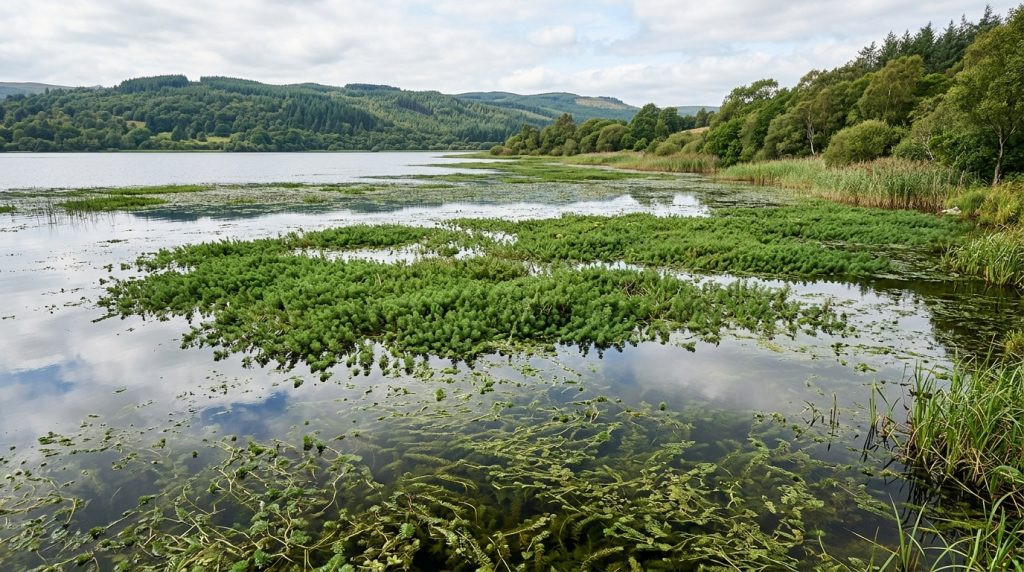
Best Aquatic Weed Harvesters for Lakes
Lakefront property owners and pond managers often face the persistent challenge of aquatic vegetation overgrowth, which can diminish property value, hinder recreational activities, and disrupt ecological balance. When manual removal becomes impractical and chemical treatments are undesirable, mechanical solutions offer a robust alternative. Understanding the various aquatic weed harvester options available is crucial for making an informed decision that aligns with your specific needs and the unique characteristics of your water body.
This article will delve into the different types of harvesters, their operational considerations, and how to select the most effective solution for your situation. We will explore everything from compact, user-friendly models to more robust systems designed for larger-scale operations, ensuring you have a comprehensive overview of the choices at hand.
Understanding the Need for Aquatic Weed Harvester Options
The proliferation of aquatic weeds can quickly transform a pristine lake or pond into an unusable, unsightly expanse. Beyond aesthetic concerns, dense weed growth can impede boat navigation, make swimming unpleasant, and even create stagnant conditions that reduce oxygen levels, harming fish and other aquatic life. Addressing these issues requires a targeted and often mechanical approach.
Many property owners initially attempt manual removal or explore chemical solutions, but these often prove insufficient for widespread or recurring problems. Manual methods are labor-intensive and rarely sustainable for large areas, while chemicals can have unintended environmental impacts and may not be permissible in all locations. This is where dedicated aquatic weed harvester options become indispensable, offering a systematic and environmentally conscious way to reclaim your water.
The decision to invest in an aquatic weed harvester is a significant one, driven by the desire for long-term effectiveness and a commitment to maintaining a healthy aquatic environment. It represents a shift from reactive spot treatments to a proactive management strategy, providing a sustainable solution for persistent weed challenges. By understanding the capabilities of various harvesters, you can select equipment that not only removes existing vegetation but also helps prevent future overgrowth.
Types of Aquatic Weed Harvester Options and Their Applications
When considering aquatic weed harvester options, it is essential to differentiate between the various designs and their intended uses. Each type offers distinct advantages and is better suited for particular weed types, water body sizes, and operational preferences. From compact, personal units to heavy-duty commercial machines, the range of choices allows for tailored solutions.
The primary distinction often lies in the scale of operation and the method of weed removal. Some harvesters are designed for precision cutting and collection in smaller areas, while others are built for bulk removal across expansive stretches of water. Understanding these differences is key to matching the right tool to your specific aquatic weed problem.
Weeders Digest offers a comprehensive range of unique and beneficial products, including specialized harvesters designed to tackle various aquatic vegetation challenges. Our expertise helps customers find their perfect lake or pond management solutions, ensuring that every recommendation is grounded in practical application and effective outcomes.
Mechanical Harvesters: Cutting and Conveying
Traditional mechanical harvesters operate much like underwater lawnmowers, utilizing cutting blades to sever vegetation below the water surface. Once cut, the weeds are typically collected by a conveyor system and stored on board for transport to shore. These machines are highly effective for dense, rooted vegetation like milfoil, hydrilla, and pondweed.
The efficiency of mechanical harvesters makes them ideal for larger lakes, ponds, and even canals where extensive areas require clearing. They can remove significant biomass in a single pass, providing immediate visual and functional improvements to the water body. However, their size and operational requirements mean they are typically best suited for professional use or for property owners with substantial areas to manage.
One key consideration with mechanical harvesters is the disposal of the harvested material. The sheer volume of weeds collected necessitates a plan for offloading and composting or disposing of the vegetation on land. This logistical aspect is an important part of the overall weed management strategy when employing these powerful machines.
Battery-Powered and Remote-Controlled Harvesters: Modern Solutions
Advancements in technology have introduced more user-friendly and environmentally conscious aquatic weed harvester options, such as battery-powered and remote-controlled units. These smaller, often electric harvesters are designed for ease of use, reduced noise pollution, and zero emissions, making them ideal for residential ponds or sensitive ecological areas.
Battery-powered harvesters offer quiet operation and are perfect for property owners who want to manage their weed problems without the noise and fumes of gasoline engines. Many models are also remote-controlled, allowing operators to guide the harvester from shore, which is particularly beneficial for reaching difficult areas or for those who prefer not to be on the water. These units are typically designed for smaller-scale maintenance and targeted removal.
While their capacity might be less than larger commercial harvesters, their convenience, environmental benefits, and precision make them an attractive choice for many lakefront residents. They represent a modern approach to aquatic weed management, balancing effectiveness with user comfort and ecological responsibility.
Matching Aquatic Weed Harvester Options to Your Specific Needs
Selecting the right aquatic weed harvester requires a careful assessment of your unique situation. There is no one-size-fits-all solution, and what works for one property owner might be entirely unsuitable for another. The key is to consider the specific characteristics of your water body, the type and density of weeds, and your operational preferences.
Begin by evaluating the size of the area you need to clear and the depth of the water. A small pond with shallow areas will require a different approach than a large lake with deep sections. Similarly, the predominant type of weed whether it's dense submerged vegetation, floating mats, or emergent plants will dictate the most effective cutting and collection mechanism.
Consider also the frequency of use and the level of effort you are willing to invest. Some harvesters require more active operation and maintenance, while others are designed for simpler, more automated use. Our agents at Weeders Digest have extensive knowledge of every item sold, ensuring first-hand understanding to help you navigate these choices and find the perfect solution.
Assessing Your Water Body and Weed Type
The physical characteristics of your lake or pond are paramount in determining the best harvester. For instance, a water body with a soft, mucky bottom might benefit from a harvester that minimizes disturbance, while a rocky bottom could pose challenges for certain cutting mechanisms. The presence of obstacles like docks, swimming platforms, or submerged structures also influences maneuverability requirements.
Identifying the specific types of weeds is equally critical. Some harvesters excel at cutting broadleaf plants, while others are more effective against fine, stringy algae. Misidentifying your primary weed problem can lead to selecting an ineffective harvester, resulting in continued frustration. Resources like the EPA provide valuable information on identifying common aquatic plants, which can aid in this initial assessment.
The U.S. Environmental Protection Agency offers guidance on aquatic plant identification and management, which can be a helpful starting point for understanding your specific weed challenges. This foundational knowledge will significantly narrow down your aquatic weed harvester options.
Operational Considerations and Maintenance Realities
Beyond initial purchase, the long-term operational aspects and maintenance requirements of any aquatic weed harvester are vital considerations. Factors such as fuel type, battery life, ease of cleaning, and the availability of replacement parts all contribute to the overall cost of ownership and the practicality of use. A harvester that is difficult to maintain or operate will quickly become a burden rather than a solution.
Consider the logistics of launching and retrieving the harvester, especially if you plan to use it frequently. Some larger units require specialized trailers or boat ramps, while smaller models can be launched by hand. Storage during off-season months is another practical concern, as proper storage is essential for extending the life of the equipment.
Furthermore, the disposal of harvested weeds is a critical operational reality. Large volumes of vegetation can accumulate quickly, requiring a designated area for composting or removal. Planning for this aspect upfront will prevent logistical headaches down the line and ensure a smooth, efficient weed management process.
The Weeders Digest Advantage: Expertise in Aquatic Weed Harvester Options
Navigating the diverse landscape of aquatic weed harvester options can be daunting, but with the right guidance, finding the perfect solution becomes much simpler. At Weeders Digest, we pride ourselves on providing unparalleled expertise and support to lakefront and pond owners. Our mission is to improve the quality of life for our customers by offering a comprehensive range of unique and beneficial products and solutions.
Our team possesses extensive, first-hand knowledge of every item we sell, ensuring that when you speak with us, you are receiving advice grounded in practical experience. We understand the nuances of different aquatic environments and weed challenges, allowing us to recommend solutions that are truly effective for your specific situation. This commitment to informed guidance sets us apart.
Customers consistently report significant improvements in their lakefront and pond conditions after utilizing our solutions. This positive feedback underscores our dedication to helping individuals achieve their goals of clear, healthy water bodies. We don't just sell equipment; we provide tailored strategies for lasting aquatic health.
Beyond Harvesters: A Holistic Approach to Aquatic Weed Control
While exploring aquatic weed harvester options is a crucial step, it is important to recognize that mechanical removal is often one component of a broader, holistic aquatic weed control strategy. Sustainable lake and pond management involves understanding the root causes of weed growth and implementing complementary solutions to maintain long-term balance. Harvesters provide immediate relief, but addressing underlying issues prevents rapid re-growth.
Consider integrating other methods such as aeration, which can improve water quality and reduce nutrient availability for weeds, or targeted biological controls where appropriate. Muck reduction products can also play a vital role in diminishing the organic matter that fuels weed proliferation. A multi-faceted approach often yields the most sustainable and satisfying results.
FAQs About Aquatic Weed Harvester Options
What is the typical learning curve for operating an aquatic weed harvester?
The learning curve for operating an aquatic weed harvester varies significantly depending on the model and its complexity. Smaller, remote-controlled or battery-powered units are generally intuitive and can be mastered quickly, often within an hour or two of initial use. Larger, commercial-grade mechanical harvesters, however, require more extensive training due to their size, specialized controls, and the need for precise maneuvering.
For any harvester, understanding the specific cutting depth, collection capacity, and offloading procedures is crucial. We provide detailed instructions and support to ensure you feel confident and competent in operating your chosen equipment, helping you achieve optimal results safely and efficiently.
How do I dispose of the weeds collected by a harvester?
Disposing of harvested aquatic weeds requires careful planning, as the volume can be substantial. The most common method is composting, where the vegetation is allowed to dry and decompose, eventually turning into nutrient-rich soil amendment. This is an environmentally friendly option that returns organic matter to the land.
Alternatively, some municipalities or waste management facilities may accept aquatic vegetation for disposal, though it's important to check local regulations and requirements. Regardless of the method, ensuring the weeds are removed from the shoreline promptly prevents them from re-entering the water or creating unpleasant odors.
Can aquatic weed harvesters remove all types of aquatic vegetation?
Aquatic weed harvesters are highly effective against a wide range of submerged and emergent vegetation, including common culprits like Eurasian watermilfoil, hydrilla, pondweed, and cattails. However, they are generally less effective against free-floating algae or microscopic organisms, which require different treatment approaches such as aeration or algaecides. The design of the harvester, particularly its cutting and collection mechanisms, dictates its efficacy against specific plant structures.
For instance, a harvester designed for cutting dense, rooted plants may struggle with filamentous algae that simply wrap around blades without being effectively collected. It's crucial to identify your primary weed problem before selecting a harvester to ensure it is the appropriate tool for the job. Our team can help you determine the best solution for your specific weed types.
Choosing the right aquatic weed harvester is a critical decision for any lakefront or pond owner seeking to restore the beauty and functionality of their water body. By carefully assessing your specific needs, understanding the different types of harvesters available, and considering the practicalities of operation and maintenance, you can make an informed choice that delivers lasting results.
At Weeders Digest, we understand the frustration that comes with persistent aquatic weed problems. Our commitment is to provide not just products, but comprehensive solutions backed by genuine expertise. We work closely with each customer, leveraging our deep product knowledge to ensure you find the most effective and sustainable management strategy for your unique aquatic environment.
Recent Posts
-

Snowmobile Auger Mount: Secure Your Ice Fishing Gear
Best Ice Auger Mounts for Snowmobiles For serious ice anglers, a reliable snowmobile auger mount is …22nd Oct 2026 -
Fall Lake Cleanup: RakeZilla’s Role
Why Fall Lake Cleanup is Crucial for a Healthy Ecosystem Proactive fall lake cleanup is not merely a …15th Oct 2026 -
Tame Cattails with an Aquatic Vegetation Groomer
For lakefront property owners, encroaching cattails transform vibrant shorelines into dense, unusabl …8th Oct 2026