

Managing Pond Plants for Water Quality and Ecosystem Health
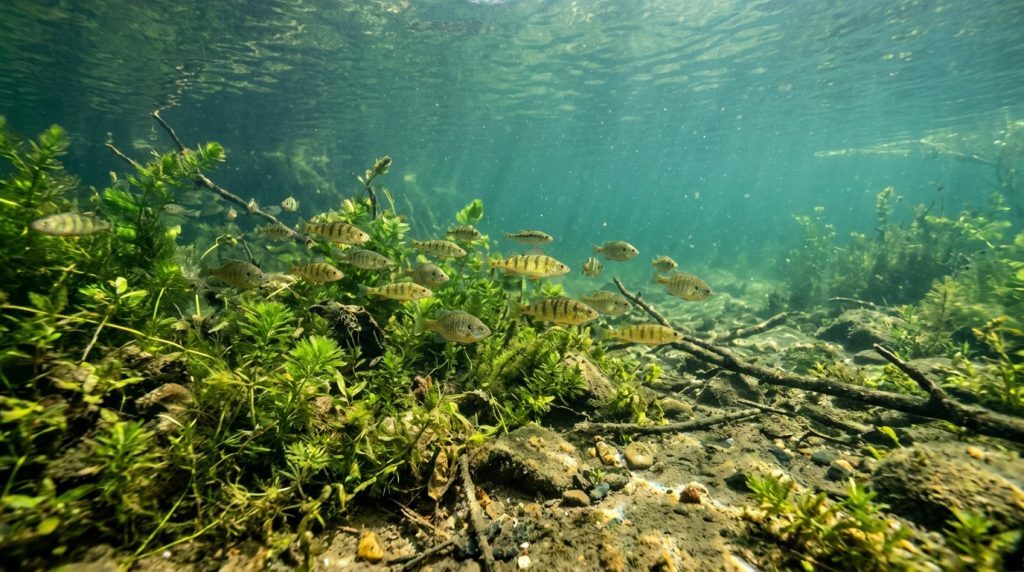
Understanding the intricate role of plants in a pond is fundamental to maintaining a healthy aquatic ecosystem. Quality pond management hinges on a balanced approach to aquatic vegetation, recognizing that while some plants are vital for ecological stability, others can rapidly degrade water quality and hinder recreational use. This involves strategic selection, diligent management, and, when necessary, targeted control of aquatic flora to ensure optimal water clarity, oxygen levels, and overall pond vitality.
The presence of plants in a pond directly influences its chemical and biological balance. Beneficial plants contribute to nutrient cycling, provide habitat for aquatic life, and help stabilize shorelines. Conversely, unchecked growth of nuisance species can lead to oxygen depletion, muck accumulation, and an imbalance that negatively impacts fish populations and water aesthetics. Effective management, therefore, is not merely about removal but about fostering a sustainable environment where plants contribute positively to the pond's health.
Aquatic Plants: Impact on Pond Health and Water Quality
Aquatic plants are integral components of any pond ecosystem, influencing everything from water chemistry to habitat structure. Their impact can be broadly categorized into beneficial contributions and potential detriments, depending on the species, density, and overall pond conditions. Understanding these roles is crucial for effective pond management.
Beneficial aquatic plants absorb excess nutrients like nitrogen and phosphorus, which are primary drivers of algae blooms and other water quality issues. Submerged plants, in particular, release oxygen into the water during photosynthesis, vital for fish and other aquatic organisms. Emergent plants, such as cattails (when managed), provide critical habitat and nesting sites for waterfowl and amphibians, while also helping to stabilize shorelines against erosion. A diverse and balanced plant community can significantly enhance a pond's resilience and ecological health.
However, when certain plant species grow unchecked, their impact can shift from beneficial to detrimental. Dense mats of submerged or floating vegetation can block sunlight, hindering the growth of other desirable plants and leading to oxygen depletion at night or during decomposition. This excessive growth contributes significantly to the accumulation of organic muck and sediment on the pond bottom, further exacerbating nutrient cycling issues. Managing these populations is key to preventing the decline of water quality and the overall health of the pond ecosystem.
Identifying Problematic Pond Plants: Growth Habits and Indicators
Accurate identification of problematic aquatic plants is the first critical step in effective pond management. Nuisance species often share distinct growth habits and indicators that signal their potential to disrupt the pond's ecological balance. Recognizing these characteristics allows for timely intervention and prevents widespread issues.
Problematic aquatic plants typically exhibit several key characteristics: rapid growth rates, the ability to form dense surface mats, efficient nutrient consumption that outcompetes desirable species, and a tendency to deplete dissolved oxygen levels, especially during decomposition. For instance, species like Eurasian watermilfoil and hydrilla are notorious for their aggressive growth, forming thick underwater stands that can choke out native vegetation and impede water flow. Lily pads, while aesthetically pleasing in moderation, can quickly cover large surface areas, blocking sunlight and reducing oxygen exchange. Cattails, if left unmanaged, can aggressively colonize shallow areas, reducing open water and creating dense monocultures.
Evaluating a plant's potential for nuisance involves observing its spread, density, and impact on other aquatic life and water clarity. A plant that rapidly expands its territory, forms impenetrable mats, or significantly reduces visibility into the water is likely a candidate for control. Early identification of these indicators, often aided by visual guides and expert consultation, is essential for implementing targeted management strategies before the problem becomes severe. For more assistance with identification, refer to our resources on identifying pond and lake weeds.
Managing Aquatic Vegetation: Balancing Control and Ecosystem Needs
Effective aquatic vegetation management requires a nuanced approach that balances the control of nuisance species with the preservation of beneficial plant life. The goal is not eradication but rather the establishment of a healthy, diverse ecosystem where plants contribute positively to water quality and habitat. This involves a spectrum of strategies tailored to specific plant types and pond conditions.
The Pond Plant Management Spectrum encompasses several approaches: prevention, mechanical removal, biological control, and targeted herbicide application. Prevention, often the most cost-effective strategy, focuses on reducing nutrient loading into the pond, thereby limiting the fuel for excessive plant growth. Mechanical removal, using tools like weed cutters and rakes, offers immediate results for localized issues and is particularly effective for species like curly-leaf pondweed. Biological controls, such as grass carp, can be effective for certain submerged weeds, while targeted aquatic herbicides provide a precise solution for widespread infestations of specific nuisance plants.
Integrating these strategies is paramount. For example, after mechanical removal of dense vegetation, follow-up treatments or nutrient reduction efforts can prevent regrowth. Understanding the life cycle of problematic plants, such as the fall die-off of certain species, can inform the timing of interventions, as highlighted in discussions on fall lake pond care. The ultimate aim is to maintain a diverse plant community that supports the pond's overall health, prevents muck and sediment buildup, and ensures the pond remains a vibrant and enjoyable environment.
The Role of Aeration and Muck Removal in Plant Management
Beyond direct plant removal, proactive pond management strategies like proper aeration and regular muck removal play a critical role in preventing excessive and problematic aquatic plant growth. These solutions address the underlying conditions that fuel nuisance vegetation, contributing significantly to long-term pond health and water quality.
Aeration systems introduce dissolved oxygen into the pond water, which is vital for the decomposition of organic matter by beneficial bacteria. This process helps to break down accumulated muck and sediment, which are rich sources of nutrients like phosphorus and nitrogen. By reducing the availability of these nutrients in the water column and bottom sediments, aeration directly limits the food supply for nuisance aquatic plants and algae. Improved oxygen levels also create a healthier environment for fish and other desirable aquatic organisms, fostering a more balanced ecosystem that is less susceptible to invasive plant overgrowth.
Muck removal, whether through physical dredging or biological treatments, directly eliminates the nutrient-rich substrate where many problematic plants take root and thrive. Accumulated muck not only provides a fertile bed for weeds but also releases nutrients back into the water, perpetuating the cycle of excessive growth. By reducing muck, ponds experience improved water clarity, reduced nutrient loading, and a diminished capacity for nuisance plants to establish dense populations. These preventative measures are essential components of an integrated plant management plan, working in conjunction with direct control methods to maintain optimal pond conditions.
Choosing the Right Tools for Pond Plant Control
Selecting the appropriate tools for pond plant control is crucial for effective and sustainable management. The vast array of aquatic vegetation and diverse pond conditions necessitates a thoughtful approach to tool selection, ensuring that the chosen method is both efficient for the specific plant type and suitable for the pond's ecosystem.
Manual tools like aquatic weed cutters and lake rakes are excellent for targeted removal of submerged and floating vegetation in smaller areas or for maintaining clear swimming lanes. Cutters sever plant stems at the base, while rakes are effective for gathering cut vegetation and removing filamentous algae. For larger ponds or more extensive infestations, motorized harvesters offer a more efficient solution for removing large volumes of biomass. These mechanical methods provide immediate visual results and physically remove nutrients from the pond, but require ongoing effort.
Targeted aquatic herbicides offer a chemical approach for controlling specific nuisance plants without harming desirable species when applied correctly. These are particularly useful for widespread infestations or species that are difficult to remove mechanically, such as certain types of milfoil or hydrilla. When considering any control method, it is important to assess the plant species, the size of the infested area, the presence of fish or other wildlife, and the desired outcome. Weeders Digest offers a comprehensive range of solutions, from manual tools to specialized herbicides, along with expert guidance to help pond owners make informed decisions for their unique situations.
Understanding Pond Plants
The management of plants in a pond is a critical aspect of maintaining water quality and ecosystem health. This encompasses understanding the ecological roles of various aquatic plants, identifying problematic species by their growth habits, and implementing balanced control strategies. Quality in pond plant management means achieving a harmonious balance where beneficial plants thrive, and nuisance vegetation is kept in check, preventing issues like excessive muck, sediment buildup, and oxygen depletion.
The most important standards for evaluating pond plant management include the impact of plant types on water quality (e.g., nutrient uptake, oxygenation), the role of plant density in ecosystem balance, and the adoption of sustainable management practices. Effective management integrates preventative measures like aeration and muck removal with targeted interventions such as mechanical removal or selective herbicide application. By adhering to these principles, pond owners can foster a healthy, vibrant aquatic environment.