

Fall Lake Weed Control: Preparing Your Lakefront for Next Year
As summer begins its gentle transition into autumn, August marks a critical period for lakefront property owners to implement effective fall lake weed control strategies. Proactive measures taken now can significantly reduce the burden of aquatic vegetation in the coming year, transforming your waterfront experience. Addressing lake weeds in the late summer and early fall is not merely about tidying up; it's about establishing a healthier aquatic environment and preventing future infestations before they take root.
Many lakefront owners find themselves overwhelmed by the continuous infestation of aquatic weeds, which can destroy the enjoyment and aesthetic appeal of their property. Understanding the lifecycle of these plants and applying targeted control methods during this crucial window can save considerable effort and expense down the line. This guide will walk you through the most effective strategies for fall lake weed control, ensuring your August plan sets the stage for a pristine lakefront next season.
Why Fall Lake Weed Control Matters
The transition from summer to fall represents a pivotal moment in the annual cycle of aquatic plant growth. During this period, many nuisance weeds begin to store energy in their root systems or prepare to drop seeds and fragments, which will become next year's problem. Intervening now disrupts this cycle, preventing the proliferation of new growth and weakening existing plants.
Ignoring aquatic weeds in the fall often leads to a more severe problem the following spring, requiring more intensive and costly interventions. Proactive solutions can prevent the need to pay hundreds or thousands of dollars every year for reactive weed removal.
Addressing weeds in the fall also allows for less disruptive methods, as recreational use of the lake typically decreases. This timing provides an opportunity to implement control measures without interfering with swimming, boating, or other summer activities. By focusing on fall lake weed control, you are not just managing a current issue, but actively investing in the long-term health and beauty of your lakefront property.
Understanding Aquatic Weed Cycles in Late Summer
Aquatic plants, much like their terrestrial counterparts, follow distinct seasonal growth patterns. In late summer, many submerged and emergent weeds are at their peak biomass, but they are also beginning to shift their energy focus. Instead of rapid surface growth, they start channeling nutrients downwards to their root structures or producing reproductive propagules like seeds, turions, and rhizomes.
This physiological shift makes late summer and early fall an opportune time for control. Targeting plants when they are actively drawing resources into their root systems can maximize the effectiveness of certain treatments, as the control agents are more readily translocated throughout the plant. Disrupting seed production or the formation of overwintering structures directly impacts the weed population for the next growing season.
Understanding these cycles is crucial for selecting the most appropriate and impactful control methods. For instance, mechanical removal before seed dispersal can prevent widespread reseeding, while certain aquatic herbicides applied during this period can be more effective as the plant draws the treatment into its entire system. Knowing your enemy's lifecycle is the first step toward successful long-term management.
Effective Manual and Mechanical Fall Lake Weed Control Methods
Manual and mechanical methods offer immediate and environmentally friendly solutions for fall lake weed control, particularly for localized infestations or as part of a broader management plan. These techniques physically remove weeds, reducing their biomass and preventing seed dispersal.
Targeted Weed Cutting and Raking
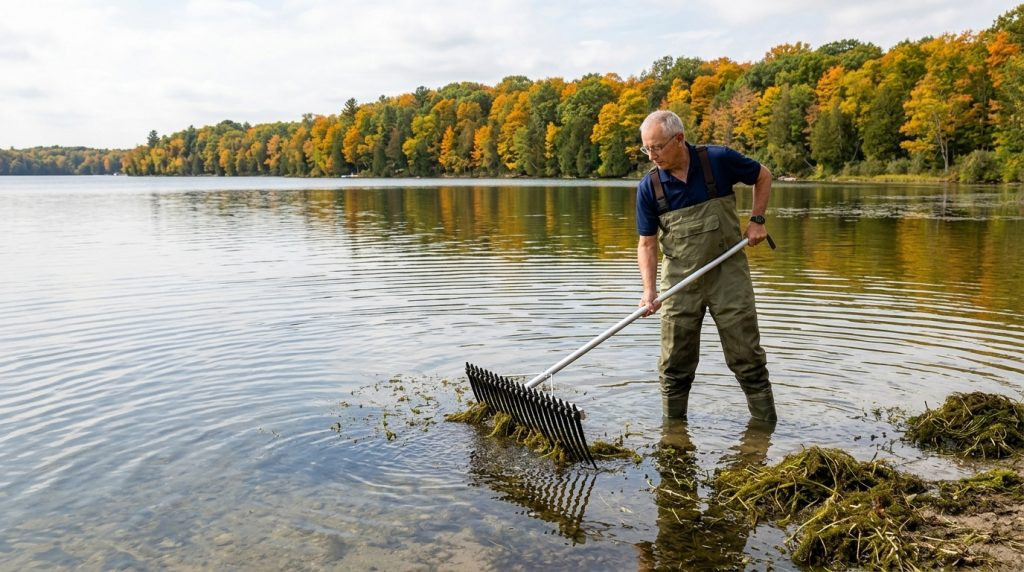
Late summer is an excellent time for targeted weed cutting, especially for dense patches of submerged vegetation. Using a specialized lake weed cutter allows you to sever plants at their base, reducing their ability to photosynthesize and weakening their root systems. Following cutting, a robust lake weed rake is essential for gathering the detached plant material. Removing these fragments is critical to prevent them from drifting to new areas and re-rooting, which can exacerbate the problem.
The effectiveness of cutting and raking in the fall lies in interrupting the plant's energy storage process. By removing significant portions of the plant before it can fully store nutrients for winter, you deplete its reserves and hinder its regrowth potential in the spring. This method is particularly useful for species like milfoil and hydrilla, which can spread rapidly through fragmentation if not properly collected.
Lake Weed Removal Machines and Dredging
For larger areas or persistent problems, an aquatic weed harvester or even suction dredging can provide a more comprehensive solution. These machines are designed to efficiently clear extensive patches of vegetation, often removing the root crowns or even the underlying muck where weeds thrive. Utilizing such equipment in the fall can significantly reduce the overall weed burden for the following year.
Suction dredging, for instance, not only removes weeds but also extracts the nutrient-rich muck that fuels their growth. This dual action addresses both the symptoms and a primary cause of aquatic weed proliferation. While a more intensive approach, fall is an ideal time for such operations as water temperatures are cooler and recreational activity is lower, minimizing disruption.
Preventative Measures and Long-Term Lakefront Health
Beyond immediate removal, incorporating preventative measures into your fall lake weed control strategy is vital for long-term lakefront health. These actions aim to create an environment less conducive to weed growth, reducing the need for continuous intervention.
Muck Reduction and Nutrient Management
Excessive muck and nutrient runoff are primary drivers of aquatic weed growth. In the fall, as leaves drop and organic matter accumulates, it contributes to the muck layer at the bottom of your lake. Implementing strategies to reduce this organic buildup is crucial. This can include using specialized muck reducers that introduce beneficial bacteria to break down organic material, or physically removing accumulated debris.
Managing nutrient input from your property is equally important. Ensure your shoreline landscaping minimizes runoff of fertilizers and other nutrient-rich materials into the lake. Establishing buffer zones with native plants along the shoreline can filter out pollutants before they reach the water, starving weeds of the nutrients they need to flourish.
Bottom Barriers and Lake Bed Management
Installing bottom barriers, such as lake mats or benthic barriers, in targeted areas during the fall can effectively suppress weed growth by blocking sunlight. These barriers are particularly useful in swimming areas or around docks where you desire a clear, weed-free zone. Applying them in the fall allows them to settle and begin working before the spring growth spurt.
Additionally, consider using tools like the AquaThruster™ or Lake Groomer to agitate the lake bottom. These devices create water currents that deter weed growth and help move muck away from your immediate lakefront. Deploying these in the fall can help maintain a cleaner bottom throughout the winter and prepare your area for less weed growth next spring.
Integrating Professional Insight for Optimal Fall Lake Weed Control
While many fall lake weed control methods can be undertaken by property owners, integrating professional insight can significantly enhance the effectiveness and sustainability of your efforts. Experts bring a deeper understanding of aquatic ecosystems and the specific challenges posed by different weed species.
Professional aquatic management services can provide tailored recommendations based on a thorough assessment of your lakefront's unique conditions, including water chemistry, sediment composition, and the types of weeds present. This diagnostic approach ensures that the chosen control methods are not only effective but also environmentally responsible and compliant with local regulations. For instance, certain aquatic weed control products require professional application.
At Weeders Digest, we understand that many lakefront owners are "sick and tired of the continuous infestation of aquatic weeds destroying their lake front property" and often feel "overwhelmed by ongoing maintenance." Our team offers personalized guidance, helping you navigate the complexities of aquatic management and select the right tools and strategies for your specific situation. We can help you develop a comprehensive fall lake weed control plan that addresses both immediate concerns and long-term prevention.
Common Mistakes to Avoid in Your August Lake Weed Plan
Even with the best intentions, certain missteps in August can undermine your fall lake weed control efforts and potentially worsen the problem. Awareness of these common mistakes is key to a successful outcome.
Incomplete Debris Removal
One of the most frequent errors is failing to completely remove cut or raked weed fragments from the water. Many aquatic weeds, especially invasive species like Eurasian watermilfoil, can re-root from small pieces, effectively spreading the infestation rather than controlling it. Always use a fine-mesh rake or net to collect all plant material after cutting.
Focusing solely on visible weeds without addressing underlying issues like excessive muck or nutrient runoff is another common pitfall. If the conditions that favor weed growth persist, new weeds will simply replace the ones you remove. A comprehensive fall lake weed control plan must include strategies for muck reduction and nutrient management to achieve lasting results.
Misidentifying Weeds
Applying the wrong control method due to incorrect weed identification can be ineffective or even harmful. Different aquatic plants respond to different treatments, and some native species are beneficial and should not be removed. If you are unsure about the type of weed you are dealing with, consult with an expert or use resources like the University of Minnesota Extension for identification guides before proceeding with any control measures.
FAQs About Fall Lake Weed Control
What specific types of aquatic weeds are best targeted in the fall?
Many common nuisance weeds, including Eurasian watermilfoil, curly-leaf pondweed, and various types of algae, are excellent targets for fall control. Curly-leaf pondweed, for example, often dies back in mid-summer, but its turions (overwintering buds) are forming in the fall, making it an ideal time to disrupt its next year's growth cycle. Similarly, targeting milfoil in the fall can weaken its root system before winter.
Additionally, emergent weeds like cattails and phragmites can be effectively managed in the fall as they begin to draw nutrients down into their rhizomes. Applying targeted treatments during this period ensures the control agent is translocated throughout the entire plant, leading to more complete eradication. Understanding the specific life cycle of the dominant weeds in your lake is crucial for precise and effective fall intervention.
How does fall lake weed control impact the overall lake ecosystem?
Thoughtful fall lake weed control can positively impact the overall lake ecosystem by restoring balance and promoting biodiversity. By reducing invasive or overly abundant nuisance weeds, you create space for beneficial native plants to thrive, which in turn supports a healthier food web for fish and other aquatic wildlife. This also helps prevent oxygen depletion that can occur when large amounts of weeds decompose.
However, it's essential to approach control methods carefully to avoid unintended negative consequences. Over-application of chemicals or indiscriminate mechanical removal can harm non-target species or disrupt critical habitats. A balanced approach, often guided by professional advice, ensures that your efforts contribute to a more vibrant and sustainable lake environment.
Are there any specific products Weeders Digest recommends for August lake weed management?
For August lake weed management, Weeders Digest offers a range of effective tools and solutions. Our selection includes various lake weed cutters and specialized lake rakes designed for efficient removal of late-season growth and debris. For those looking to prevent future issues, our AquaThruster™ and Lake Groomer are excellent for maintaining clear areas by preventing muck and weed accumulation.
Additionally, we provide biological muck reducers that can be applied in the fall to break down organic matter and reduce nutrient availability for next year's weeds. Our team is available to discuss your specific challenges and recommend the most suitable products from our extensive inventory. We ensure you have the right tools to tackle your unique lakefront situation effectively.
Implementing a comprehensive fall lake weed control plan in August is a strategic investment in the long-term health and enjoyment of your lakefront property. By understanding the seasonal cycles of aquatic plants and applying targeted manual, mechanical, and preventative measures, you can significantly reduce weed problems for the upcoming year. This proactive approach not only saves time and money but also fosters a healthier, more balanced aquatic ecosystem.
At Weeders Digest, we recognize the challenges lakefront owners face in managing aquatic vegetation. Our expertise and extensive range of solutions are designed to empower you with the knowledge and tools needed for effective lake and pond management. We are committed to helping you achieve a pristine waterfront by providing personalized advice and proven products that address your specific needs.
Recent Posts
-
Tame Cattails with an Aquatic Vegetation Groomer
For lakefront property owners, encroaching cattails transform vibrant shorelines into dense, unusabl …8th Oct 2026 -
Seasonal Lake Weed Management: Local Help
Effective lake weed management local to your property requires more than just a generic approach; it …30th Sep 2026 -
Lake Weed Cutters: Manual vs. Motorized Options
Managing aquatic vegetation is a persistent challenge for lakefront property owners, marinas, and ho …23rd Sep 2026