

Pond Dredging Equipment: Muck & Sediment Solutions
As summer winds down, many lakefront property owners, marina managers, and HOA representatives face a common challenge: the accumulation of muck and sediment in their ponds. This buildup not only diminishes the aesthetic appeal of the water body but also impacts its ecological health, making it crucial to explore effective solutions. Understanding the various types of pond dredging equipment available is the first step toward restoring your aquatic environment, whether you're considering a DIY approach or professional intervention.
The right dredging equipment can significantly improve water quality, deepen shallow areas, and enhance recreational use. Selecting the appropriate tools, however, requires careful consideration of your specific pond conditions. From small, manual systems to robust hydraulic dredging equipment, the options are diverse, each suited to different scales of operation and types of sediment.
Understanding Sediment Buildup in Ponds
Sediment accumulation is a natural process in any pond or lake, driven by a combination of factors that introduce organic and inorganic materials into the water column. Over time, these materials settle to the bottom, forming layers of muck that can significantly reduce water depth and clarity.
Organic matter, such as decaying leaves, aquatic vegetation, and animal waste, contributes heavily to the soft, nutrient-rich muck often found in ponds. This organic sediment provides an ideal environment for nuisance aquatic weeds and algae to thrive, further exacerbating the problem by adding more decaying material to the cycle.
Inorganic sediments, including sand, silt, and clay, are typically introduced through stormwater runoff, erosion from surrounding landscapes, or inflowing streams. These heavier particles settle more quickly and can create dense, compacted layers that are challenging to remove, often requiring more powerful pond dredging equipment.
When is Dredging Necessary?
Deciding when to dredge your pond involves evaluating several key indicators that point towards significant sediment accumulation impacting the pond's health and usability. One of the most obvious signs is a noticeable decrease in water depth, particularly in areas that were once deeper.
Another critical indicator is a decline in water quality, often manifested as persistent turbidity, foul odors, or an excessive growth of aquatic weeds and algae. These issues suggest that the nutrient load from accumulated muck is overwhelming the pond's natural ability to maintain balance.
Furthermore, if recreational activities like swimming, fishing, or boating are becoming difficult due to shallow areas or thick bottom muck, it's a clear signal that dredging is needed. Addressing these problems proactively with appropriate pond dredging equipment can prevent further degradation and costly future interventions.
Types of Pond Dredging Equipment for Muck Removal
Selecting the right pond dredging equipment depends heavily on the scale of your project, the type of sediment, and your budget. There are several primary categories of equipment, each designed for specific applications and levels of effectiveness.
For smaller ponds or localized muck spots, manual or semi-manual tools can be effective. These often include specialized lake rakes, shovels, and hand-operated pumps designed to agitate and remove softer sediments. While labor-intensive, these options are cost-effective for minor issues.
Larger projects typically require mechanical or hydraulic dredging equipment. Mechanical dredges use excavators or draglines to physically scoop out sediment, while hydraulic dredges pump a slurry of water and sediment through a pipeline. Each method has distinct advantages and disadvantages depending on the pond's characteristics and disposal options.
Manual and Small-Scale Dredging Tools
For property owners dealing with localized muck issues or smaller ponds, a range of manual and small-scale dredging equipment offers practical solutions. These tools are generally more affordable and require less specialized knowledge to operate, making them suitable for DIY enthusiasts.
Specialized lake rakes with long handles and sturdy tines are excellent for pulling out loose organic debris and some softer muck from shallow areas. These are particularly useful for maintaining shorelines and dock areas where sediment tends to accumulate. Similarly, muck vacuums, which are essentially powerful submersible pumps, can suction up soft organic sludge and discharge it to a filtration system or designated disposal area.
While these tools are effective for maintenance and minor cleanups, they are not designed for extensive dredging operations. They require significant manual effort and are best suited for situations where the sediment layer is relatively thin and the area to be cleared is manageable.
Mechanical Dredging Equipment
Mechanical dredging involves the physical excavation of sediment using heavy machinery, typically employed for larger-scale projects or when dealing with compacted, heavy sediments like sand, gravel, or clay. This method is highly effective for deepening ponds and removing large volumes of material.
Common mechanical dredging equipment includes long-reach excavators or draglines that operate from the shoreline or from barges. These machines use buckets or clamshells to scoop sediment from the pond bottom, which is then loaded onto trucks or barges for off-site disposal. The advantage of mechanical dredging is its ability to handle various sediment types and large debris.
However, mechanical dredging can be more disruptive to the aquatic environment due to increased turbidity and potential habitat disturbance. It also often requires significant access for heavy machinery and careful planning for sediment dewatering and disposal, which can be a complex logistical challenge.
Hydraulic Dredging Equipment
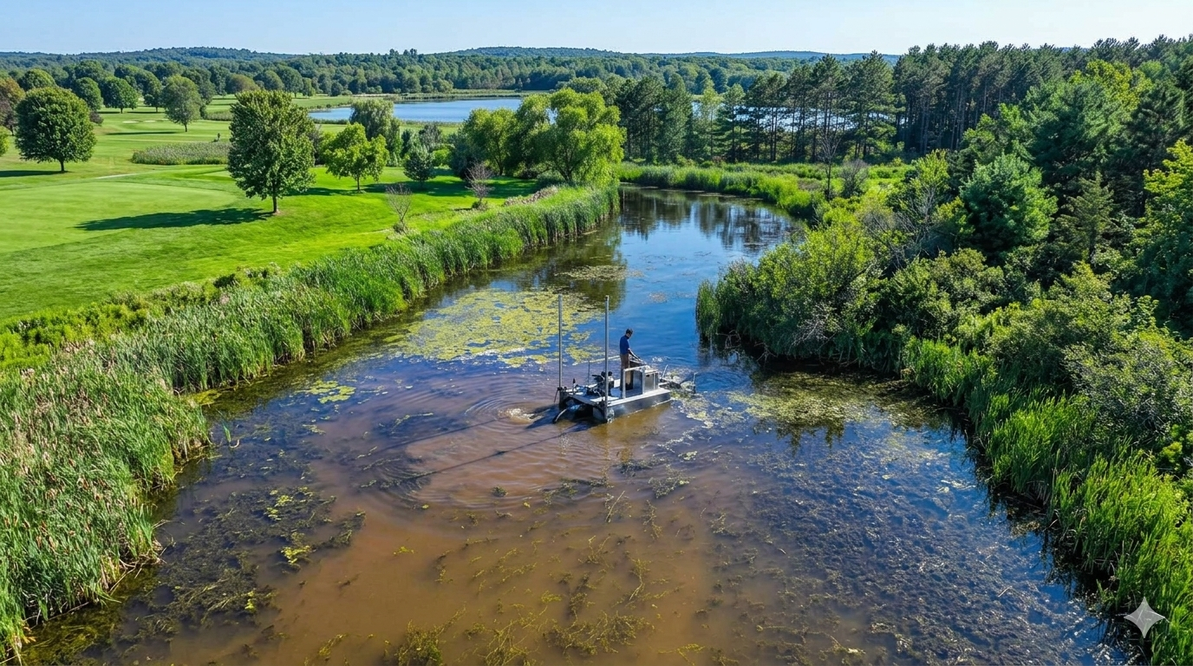
Hydraulic dredging is a highly efficient method for removing soft, unconsolidated sediments like muck, silt, and fine sand, particularly in larger ponds or those with limited access for heavy machinery. This technique utilizes a pump to create a slurry of water and sediment, which is then transported through a pipeline to a dewatering site.
The core of hydraulic pond dredging equipment is a powerful pump, often mounted on a floating platform or barge, equipped with a cutter head or suction nozzle. The cutter head agitates the sediment, mixing it with water to create a pumpable slurry, while suction dredges simply draw up the loose material. This slurry is then pumped through flexible or rigid pipelines to a designated containment area, where the water is separated from the solids.
One of the primary benefits of hydraulic dredging is its minimal disturbance to the surrounding environment and its ability to operate in deeper waters without requiring direct access for heavy land-based equipment. The removed sediment can often be dewatered and used as beneficial fill or compost, reducing disposal costs and environmental impact. For those interested in advanced solutions, Weeders Digest offers a range of suction dredging machines designed for efficient muck removal.
Matching Dredging Equipment to Your Pond's Specifics
Choosing the most effective pond dredging equipment requires a thorough assessment of your pond's unique characteristics. No single piece of equipment is universally suitable; the best choice will always be a tailored one.
Consider the size and depth of your pond first. Small, shallow ponds might be manageable with manual tools or small dredging equipment, while larger, deeper water bodies will necessitate more robust mechanical or hydraulic systems. Access to the pond is another crucial factor; limited shoreline access might favor hydraulic dredges that can operate from the water, whereas ample space allows for land-based mechanical options.
The type of sediment is perhaps the most critical determinant. Soft, organic muck is best handled by hydraulic dredges or specialized muck vacuums, which can efficiently pump the slurry. Conversely, dense, compacted clay, sand, or areas with significant debris like logs or rocks will demand the power and precision of mechanical excavators.
Pond Size and Depth Considerations
The physical dimensions of your pond directly influence the type and scale of pond dredging equipment that will be most effective. A small backyard pond, for instance, presents entirely different challenges and opportunities than a multi-acre lake.
For ponds under an acre with depths typically less than 6-8 feet, manual tools and smaller, portable hydraulic dredges can often suffice. These allow for targeted muck removal without the need for extensive mobilization of heavy machinery. The manageable volume of sediment also makes disposal simpler.
Conversely, larger ponds or small lakes with significant depths and widespread sediment accumulation will almost certainly require professional-grade mechanical or larger hydraulic dredging equipment. These operations demand greater capacity for sediment removal and transport, as well as specialized expertise to manage the project efficiently and safely.
Sediment Type and Composition
The composition of the sediment at the bottom of your pond is a primary factor in determining the most appropriate dredging method and equipment. Sediment can range from light, fluffy organic muck to dense, compacted sand or clay, each requiring a different approach.
Soft, organic muck, often rich in decaying plant matter and nutrients, is typically best removed using hydraulic dredging equipment. These systems excel at creating a pumpable slurry from such materials, minimizing turbidity and allowing for efficient transport to dewatering sites. The goal is to remove this nutrient-rich layer to reduce future weed and algae growth.
When dealing with heavier, more abrasive sediments like sand, gravel, or compacted clay, mechanical dredging often becomes the preferred method. Excavators or draglines can physically dig and lift these denser materials, which might clog or damage the pumps of some hydraulic systems. A thorough sediment analysis can provide crucial data to guide this decision.
Accessibility and Site Logistics
The ease of access to your pond and the logistical challenges of the site play a significant role in selecting pond dredging equipment. Even the most powerful dredge is useless if it cannot be effectively deployed and operated.
If your pond is surrounded by dense vegetation, steep banks, or structures that limit access for heavy equipment, hydraulic dredging may be the only viable option. Floating dredges can be assembled on-site and maneuvered in tight spaces, pumping sediment through pipelines that can traverse difficult terrain to a remote dewatering area.
Conversely, if there is ample open space around the pond and stable ground for heavy machinery, mechanical dredging becomes a more straightforward option. Consideration must also be given to the path for hauling away excavated material and the location for dewatering, ensuring minimal disruption to the property and surrounding environment.
DIY Dredging vs. Professional Services
The decision between undertaking a DIY dredging project and hiring professional services is a critical one, influenced by the scale of the problem, available resources, and desired outcomes. While DIY can be cost-effective for minor issues, professional expertise often proves invaluable for significant challenges.
For small ponds with light muck accumulation, investing in small dredging equipment like specialized rakes or muck vacuums can be a feasible DIY solution. This approach allows property owners to maintain their ponds on an ongoing basis, addressing problems before they escalate. However, it requires a commitment of time and physical effort.
When facing extensive sediment buildup, large pond sizes, or complex environmental considerations, professional dredging services offer a comprehensive solution. Experts bring specialized pond dredging equipment, technical knowledge, and experience in managing permits, sediment disposal, and environmental regulations, ensuring the project is completed safely and effectively.
When DIY Dredging is Feasible
DIY dredging can be a practical and cost-effective approach for specific pond conditions, primarily when the scope of work is limited and the sediment type is manageable. This method is best suited for proactive maintenance or addressing minor, localized issues.
If your pond is relatively small, perhaps under half an acre, and you're dealing with a thin layer of soft, organic muck, manual tools or small dredging equipment like a powerful muck vacuum can be quite effective. These tools allow for targeted removal of sediment from specific areas, such as around docks, swimming areas, or shallow coves.
Successful DIY dredging also depends on having a clear plan for sediment disposal. If you have an appropriate on-site location for dewatering and spreading the removed muck, which can often be beneficial for landscaping, the logistics become much simpler. However, always verify local regulations regarding sediment disposal before beginning any work.
Benefits of Professional Dredging Services
For significant sediment accumulation, larger ponds, or complex environmental situations, professional dredging services offer unparalleled benefits that extend far beyond simply removing muck. These experts bring a holistic approach to pond restoration.
Professional teams possess the specialized pond dredging equipment necessary for large-scale operations, including hydraulic dredges, dewatering systems, and sediment transport solutions. Their experience ensures efficient project execution, minimizing disruption and maximizing the effectiveness of the dredging process. They also handle the often-complex permitting requirements and environmental compliance.
Furthermore, professionals can provide valuable insights into long-term pond management strategies, helping to identify the root causes of sediment buildup and implement preventative measures. At Weeders Digest, our help desk receives consistent praise for rapid response times and effective problem-solving, ensuring you get the right advice for your specific situation.
Maintaining Your Pond After Dredging
Dredging is a significant investment in your pond's health, but it's only one part of a comprehensive management strategy. To prevent rapid re-accumulation of muck and sediment, ongoing maintenance is crucial.
Implementing best management practices around your pond can significantly reduce sediment input. This includes establishing vegetative buffer zones to filter runoff, controlling erosion on surrounding land, and managing nutrient sources that contribute to organic buildup. Regularly removing fallen leaves and excessive aquatic vegetation also helps.
Additionally, consider using biological treatments like beneficial bacteria that help break down organic muck, or aeration systems that improve water circulation and oxygen levels, inhibiting anaerobic decomposition that produces foul odors. These proactive steps, combined with occasional spot dredging using small dredging equipment, will help maintain your pond's clarity and ecological balance for years to come.
Weeders Digest: Your Partner in Pond Health
At Weeders Digest, we understand the challenges lakefront property owners, marina managers, and HOA representatives face with pond muck and sediment. Our mission is to provide comprehensive, eco-friendly solutions that restore and maintain the health and beauty of your aquatic environments.
We offer a wide array of products and expert advice, ranging from small dredging equipment for targeted muck removal to advanced solutions for controlling aquatic weeds, muck, and algae. Our approach is grounded in understanding your specific situation, ensuring you receive tailored recommendations that genuinely address your pond's needs.
Our dedicated help desk is available seven days a week, ready to provide rapid responses and proactive follow-up, a service consistently highlighted in customer reviews. We pride ourselves on being a comprehensive resource, guiding you through the complexities of pond management with knowledgeable and direct support.
Frequently Asked Questions About Pond Dredging
What are the environmental considerations for pond dredging?
Pond dredging, while beneficial for pond health, requires careful environmental consideration to minimize negative impacts. Increased turbidity during dredging can temporarily affect aquatic life, so proper sediment control measures, such as silt curtains, are often necessary. Additionally, the disposal of dredged material must comply with local and state regulations, as sediment can contain nutrients or contaminants that could harm terrestrial environments if not managed correctly. It's crucial to assess the sediment composition and plan for responsible dewatering and disposal.
How long does a typical pond dredging project take?
The duration of a pond dredging project varies significantly based on the pond's size, the volume and type of sediment to be removed, the chosen dredging method, and site-specific logistics. A small, backyard pond with light muck might be dredged in a few days using small dredging equipment, while a multi-acre lake requiring hydraulic dredging could take several weeks or even months. Factors like weather conditions, equipment availability, and the time needed for sediment dewatering and disposal also play a crucial role in the overall timeline.
What are the alternatives to dredging for muck removal?
While dredging is highly effective for significant sediment removal, several alternatives can help manage muck and sediment, especially for preventative maintenance or minor issues. Aeration systems can improve oxygen levels, promoting the decomposition of organic matter and reducing muck. Beneficial bacteria treatments introduce microorganisms that actively consume organic sludge, breaking it down into harmless byproducts. Additionally, physical removal methods like specialized rakes or aquatic weed harvesters can manage organic debris before it settles and contributes to muck buildup, helping to reduce the need for extensive dredging.
Effectively managing muck and sediment in your pond is crucial for its long-term health and aesthetic appeal. Understanding the various types of pond dredging equipment and matching them to your specific pond conditions is the most important step in restoring your aquatic environment.
While DIY solutions can be effective for smaller, localized issues, significant sediment accumulation often benefits from the expertise and specialized equipment that professional services provide. Our team at Weeders Digest is equipped with the knowledge and resources to guide you through every step of the process, ensuring a sustainable solution for your pond.
For personalized advice and to explore the best options for your pond, contact us today.
Recent Posts
-
Tame Cattails with an Aquatic Vegetation Groomer
For lakefront property owners, encroaching cattails transform vibrant shorelines into dense, unusabl …8th Oct 2026 -
Seasonal Lake Weed Management: Local Help
Effective lake weed management local to your property requires more than just a generic approach; it …30th Sep 2026 -
Lake Weed Cutters: Manual vs. Motorized Options
Managing aquatic vegetation is a persistent challenge for lakefront property owners, marinas, and ho …23rd Sep 2026